

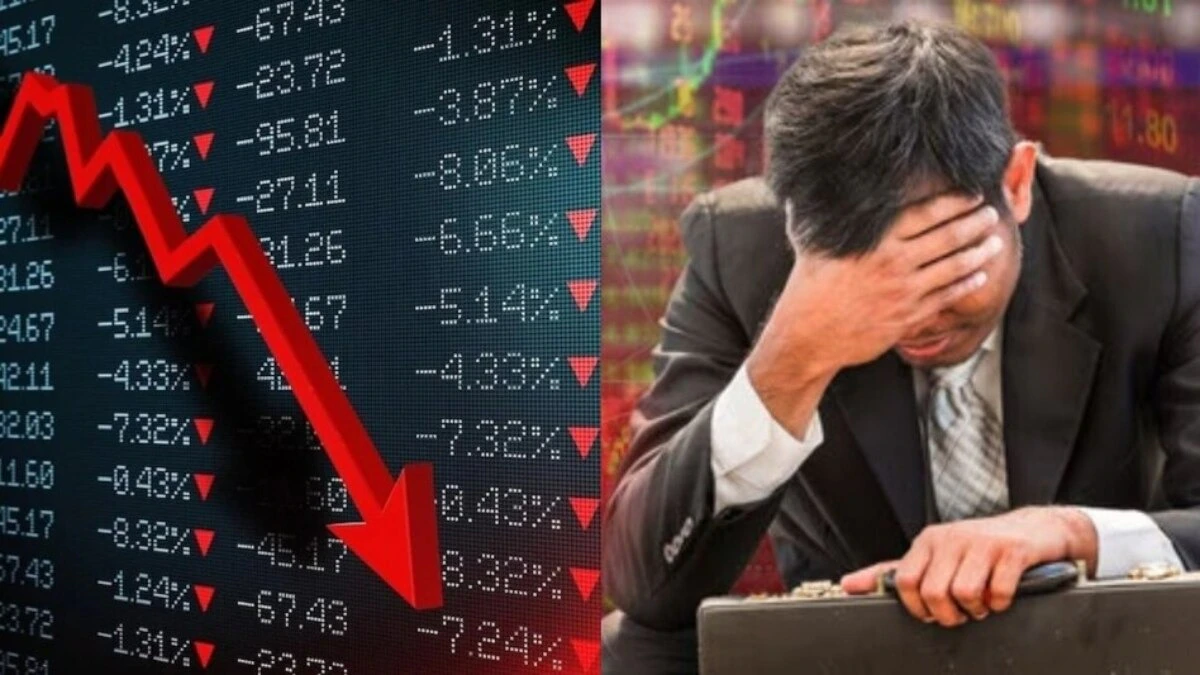
The Indian stock market experienced a significant downturn today, with the Sensex plunging by over 700 points and the Nifty falling below 24,850. This sharp decline has traders and investors on edge, reflecting growing market volatility driven by global cues, sector-specific concerns, and macroeconomic factors. As the market responds swiftly to both domestic and international events, stakeholders are left pondering about the underlying causes and the potential trajectory of the upcoming sessions.
Market Overview: A Tumultuous Trading Session
The Sensex, which often acts as a barometer for the overall health of the Indian economy, opened on a cautious note and soon descended into red territory. The decline of over 700 points marks one of the notable drops in recent weeks, highlighting investors’ apprehensions amidst a backdrop of global uncertainties. The Nifty index, closely following the broader market trends, slipped sharply below the 24,850 mark, igniting concerns over a possible further downward correction.
This volatility isn’t occurring in isolation. It is influenced by multiple intertwined factors:
- Global Market Dynamics: Concerns about economic slowdown in major economies, geopolitical tensions, and fluctuating oil prices have cast a pall over investor sentiments worldwide.
- Domestic Economic Indicators: Recent macroeconomic data suggests caution, with inflationary pressures and inflation expectations impacting investor confidence.
- Corporate Earnings and Sectoral Performance: Some sectors, notably auto and banking, are under pressure due to subdued earnings outlooks and sector-specific challenges.
- Global Policy Developments: Decisions by leading central banks regarding interest rate hikes and liquidity measures further influence the market’s direction.
Key Sectoral and Stock Movements
Amidst the broad market decline, certain stocks have felt the brunt more than others. Notably:
- Bajaj Finserv: As a leading non-banking financial company, Bajaj Finserv saw a significant dip, reflecting investor concerns over non-banking financial sector stability.
- Automobile Sector: Major auto stocks witnessed sharp declines amid weak demand forecasts and commodity price pressures.
- Other Financial and Auto Giants: Stocks across these sectors continue to face volatility, as investors reassess sector prospects in the current economic environment.
Such broad-based declines underscore the prevailing cautious sentiment among investors, who are now more vigilant and selective in their market engagements.
What Are Experts Saying?
Market analysts point to a confluence of factors for today’s steep fall. A consensus suggests that:
- The global macroeconomic environment remains uncertain, with fears of recession looming in major economies like the US and Europe.
- Rising crude oil prices and persistent inflationary pressures in India are creating headwinds for economic growth.
- International geopolitical tensions and trade uncertainties continue to unsettle investor confidence.
- Domestic policy and monetary stance are under scrutiny, especially ahead of central bank meetings and economic data releases.
In this volatile environment, many experts advise caution and a focus on fundamentally strong stocks that can withstand external shocks.
Market Outlook: What Lies Ahead?
While today’s correction appears substantial, market strategists suggest that such declines are part of periodic adjustments and can sometimes present buying opportunities for long-term investors. However, caution remains paramount:
- Volatility is expected to persist in the short term until global uncertainties stabilize.
- Investors should keep a close eye on macroeconomic data, policy announcements, and geopolitical developments.
- Diversifying portfolios and focusing on sectors with resilient growth potential could mitigate risks.
- Monitoring technical levels and setting predefined stop-loss points can help manage downside risks more effectively.
Investor Sentiment and Recommendations
Given the current market dynamics, investor sentiment has turned notably cautious. Many are re-evaluating their positions and cautious about aggressive buying. Some key recommendations include:
For Retail Investors:
- Exercise patience: Avoid panic selling; wait for clearer cues before making large moves.
- Focus on quality stocks: Invest in companies with strong fundamentals, healthy balance sheets, and consistent earnings.
- Consider sector rotation: Sectors like IT and FMCG might offer safer havens amid volatility.
For Institutional Investors:
- Maintain liquidity to capitalize on dips.
- Reassess risk exposures and hedge appropriately against downside risks.
- Explore opportunities in undervalued assets with medium to long-term potential.
Conclusion
The recent sharp decline in the Sensex and Nifty underscores the volatile nature of the current global and domestic economic landscape. While the plunge of over 700 points might seem alarming, it also emphasizes the importance of strategic patience and careful analysis for stakeholders. As headlines around global economic shifts and policy decisions continue to unfold, the Indian market remains sensitive to these changes.
Investors should stay informed, exercise caution, and align their strategies with their risk appetite. In periods of high volatility, adopting a disciplined approach can often pave the way for better long-term outcomes.
Remember, market downturns are an inherent part of investing and often open doors for disciplined and informed investors to build wealth over time. Navigating these turbulent waters requires vigilance, resilience, and a clear understanding of market fundamentals.
Stay tuned for more updates and expert analyses to help you make well-informed investment decisions.
For more updated news please keep visiting Hourly Prime News.