

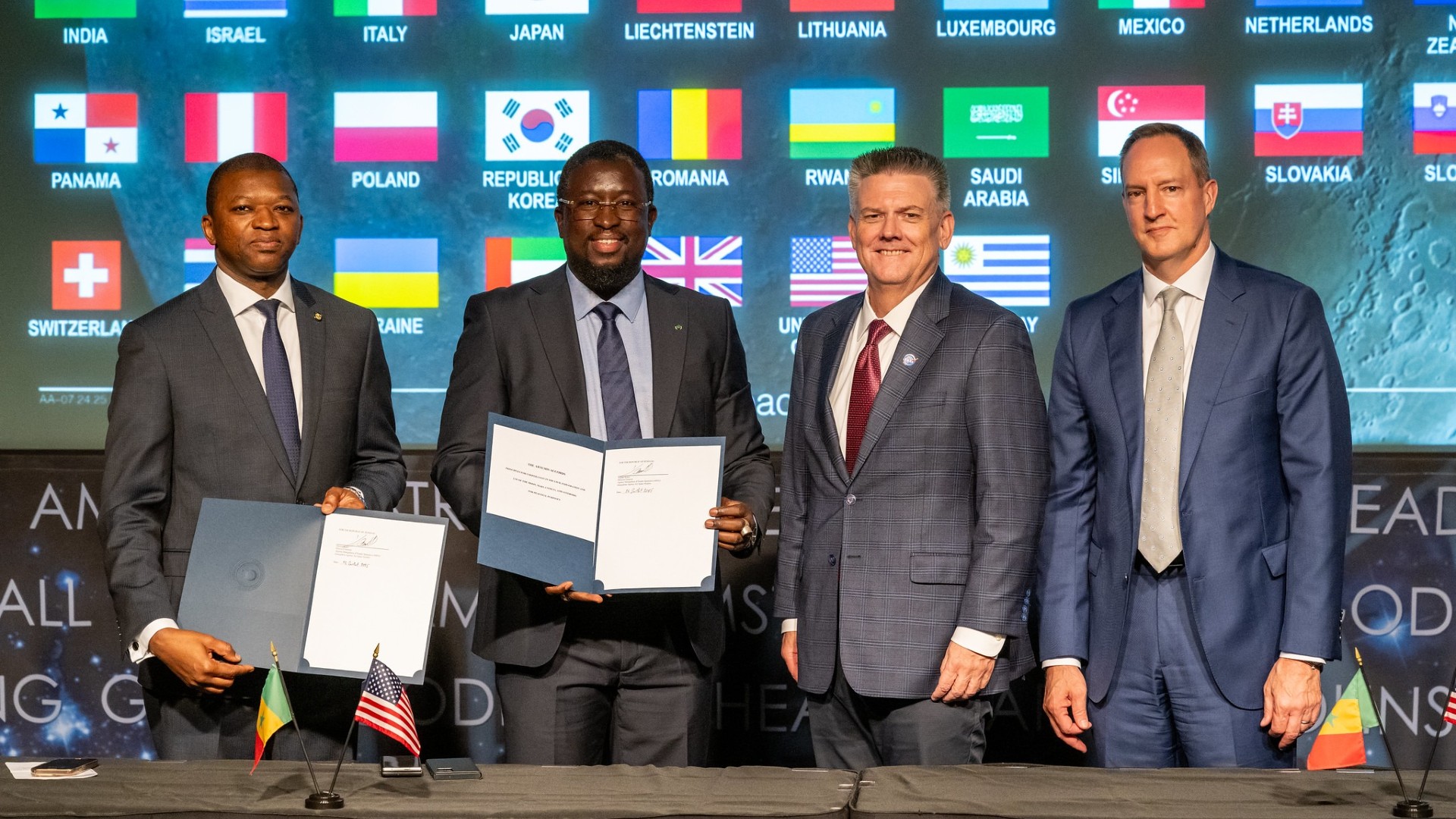
In a significant development for international collaboration in space exploration, Senegal has officially become the 56th country to sign the Artemis Accords. This milestone marks a robust step towards fostering universal commitment to peaceful, transparent, and sustainable exploration of outer space. Senegal’s accession to these accords not only underscores its growing role in global space initiatives but also exemplifies the expanding inclusivity within the space community.
What Are the Artemis Accords?
The Artemis Accords are a set of principles and guidelines established by NASA and several partner countries to promote safe and cooperative activities in space. Intended to complement international treaties like the Outer Space Treaty, these accords emphasize transparency, safety, sustainability, and the peaceful use of outer space resources. By signing the accords, participating nations commit to responsible exploration, sharing scientific data, and adhering to the highest standards of safety.
The Significance of Senegal’s Participation
Senegal’s decision to sign the Artemis Accords is notable for several reasons:
- Enhanced International Presence: Senegal’s participation elevates its stature in the realm of space science and technology, positioning it as a serious stakeholder in global space endeavors.
- Fostering Scientific Collaboration: Joining the accords opens avenues for joint research projects, technological exchanges, and shared missions that benefit the entire African continent.
- Supporting Peaceful Space Missions: Senegal’s commitment underscores its dedication to peaceful exploration and utilization of outer space resources, in line with international norms.
- Encouraging Regional Development: The move could inspire other African nations to pursue their own space programs and engage in international collaborations.
Official Reactions and Support from NASA
NASA has warmly welcomed Senegal’s integration into the Artemis framework. The agency’s statement highlights the importance of inclusive participation in space exploration, emphasizing that Senegal’s accession helps in building a broader, more diverse coalition focused on advancing humanity’s presence beyond Earth.
Furthermore, NASA is actively involved in facilitating Senegal’s entry, including inviting media coverage of the signing ceremony held in Senegal. This event signifies the strengthening of diplomatic and scientific ties and demonstrates NASA’s commitment to fostering global partnerships beyond traditional space-faring nations.
Implications for African and Global Space Development
Senegal’s integration into the Artemis Accords furthers the narrative of Africa’s rising prominence in space science and exploration. Historically, Africa has faced infrastructural and resource challenges; however, recent dedicated efforts and international partnerships are reshaping the continent’s role in space activities.
By becoming the fourth African nation to sign the Artemis Accords, Senegal joins other countries in fostering regional cooperation and contributing to global initiatives aimed at exploring the Moon, Mars, and beyond. These efforts are designed to promote:
- Resource Management and Sustainability: Ensuring that space resources are utilized responsibly and equitably.
- Innovation and Capacity Building: Encouraging local talent and technological advancement within the country and region.
- Peaceful Uses of Space: Reinforcing the importance of space exploration for peaceful purposes rather than military or hegemonic pursuits.
Senegal’s Space Ambitions and Future Prospects
With this pivotal step, Senegal is poised to accelerate its space ambitions. The country’s space agency plans to collaborate on missions that focus on earth observation, climate monitoring, and technological development, laying the groundwork for future deep-space exploration.
Additionally, Senegal’s involvement in the Artemis framework can attract international funding and expertise, catalyzing the development of local infrastructure and educational programs related to science and technology.
In the coming years, Senegal aims to:
- Establish a robust national space agency platform
- Participate in lunar and Martian exploration missions
- Develop indigenous space technologies
- Forge partnerships with leading global space agencies and private sector entities
Global Impact and the Path Forward
The expansion of the Artemis Accords to include more nations like Senegal signifies a collective movement toward responsible and inclusive space exploration. Such collaborations work to ensure that outer space remains a domain of peace, shared prosperity, and scientific progress.
As more countries recognize the importance of space cooperation, the international community can address common challenges such as space debris, resource management, and planetary protection more effectively. Senegal’s participation exemplifies the emerging trend of emerging nations engaging in high-level scientific diplomacy, emphasizing that space is a global commons that benefits all of humanity.
Conclusion
Senegal’s formal accession as the 56th signatory of the Artemis Accords marks an inspiring chapter in Africa’s space journey. It reflects the country’s forward-looking vision and commitment to peaceful exploration, scientific advancement, and regional development. With the support of international partners like NASA, Senegal is setting a precedent for other nations to follow, fostering a more inclusive and cooperative global space community.
Looking ahead, the nation’s involvement in space exploration initiatives holds tremendous promise for technological growth, educational opportunities, and regional cooperation, ultimately contributing to humanity’s shared quest to understand and explore the cosmos.
For more updated news please keep visiting Hourly Prime News.