

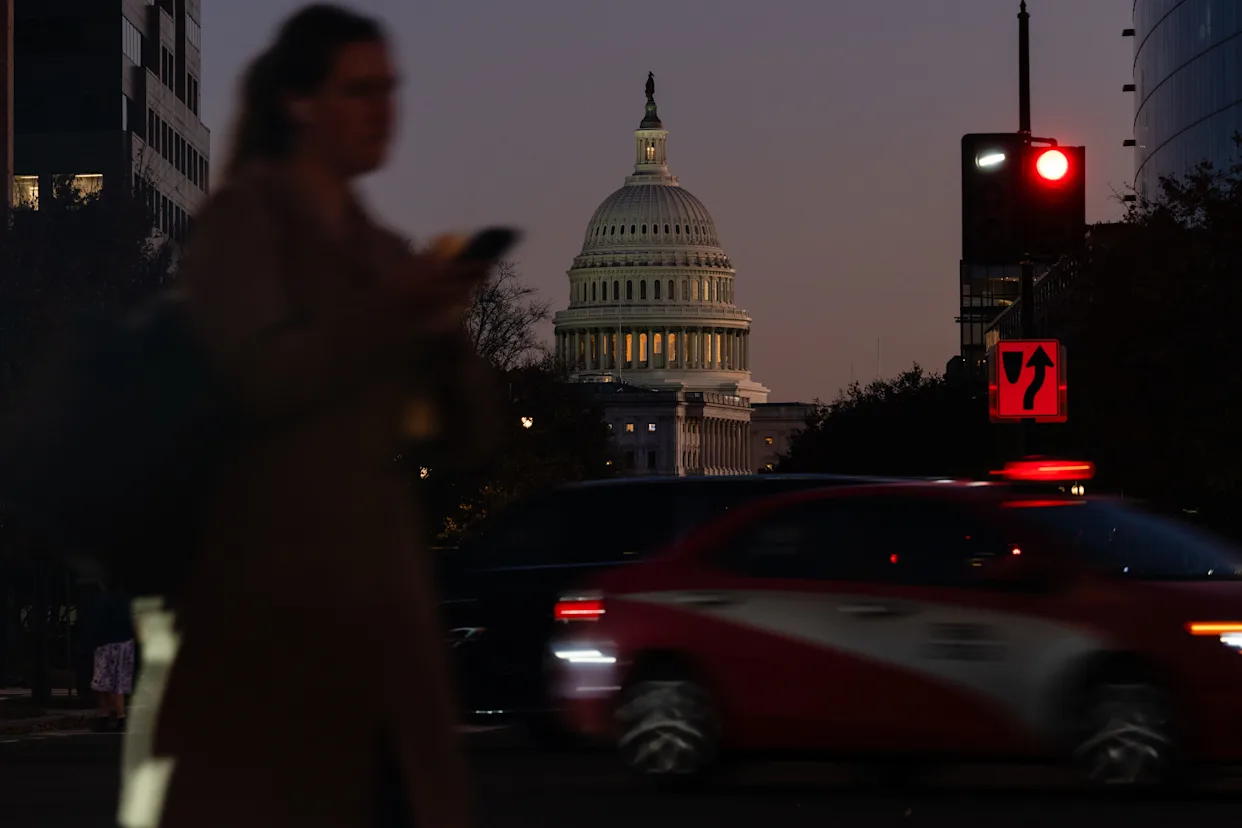
The recent developments in the United States Congress have brought a wave of relief to government employees, policymakers, and citizens alike. After weeks of intense negotiations and political standoffs, Senate leaders have successfully reached a bipartisan agreement that could finally bring an end to the prolonged government shutdown. This breakthrough signifies not just a temporary reprieve, but also highlights the potential for increased cooperation across political divides, especially amid a politically charged environment.
Background: The Prolonged Shutdown Crisis
The government shutdown, which began over disagreements on budget allocations and policy priorities, had resulted in a halt of numerous federal operations. Essential services remained functional, but many non-essential functions were put on hold—affecting everything from national parks to visa processing. The shutdown impacted millions of Americans, causing economic uncertainty and disruptions to daily life.
The core issues centered around contentious debates over spending bills, immigration policy, and funding for various government programs. Partisan divisions grew deeper, making it difficult for lawmakers to find middle ground. As the shutdown dragged on, both sides faced increasing pressure from their constituencies, urging for a resolution.
The Deal: What Has Been Agreed Upon?
Key Aspects of the Bipartisan Agreement
- Extension of Government Funding: Both parties agreed to pass a temporary funding measure that extends government operations for a specified period. This prevents a further shutdown and gives lawmakers time to negotiate longer-term solutions.
- Funding for Critical Programs: The deal includes provisions to ensure that essential services—such as healthcare, social security, and national security—continue uninterrupted.
- Addressing Immigration and Border Policies: While disagreements remain, aspects of immigration policy are being negotiated separately, with some aspects deferred to future discussions.
- Commitment to Bipartisan Negotiations: Leaders from both parties committed to working together to craft more comprehensive legislative packages in the coming weeks.
The Reactions and Next Steps
The announcement has been met with cautious optimism from policymakers, civil society, and economic analysts. Senate Majority Leader expressed hope that this deal signals a return to more cooperative governance. Meanwhile, the White House has indicated support for the deal, emphasizing the importance of stability and continuity of government services.
However, some critics argue that the deal is a temporary fix and does not address the underlying issues causing recurring shutdowns. They stress the need for comprehensive budget reforms and structural changes in legislative processes to prevent such crises in the future.
Moving forward, lawmakers will need to work intensively to develop a longer-term funding plan. The current agreement merely postpones the shutdown’s recurrence, and without deeper reforms, similar standoffs may occur again.
Implications for the Future
Restoring Public Trust
The successful negotiation demonstrates that bipartisan cooperation is possible even under tense political circumstances. It may serve as a precedent that encourages future negotiations and compromises in Congress.
Economic Impact
Stability in government funding is crucial for the economy. The recent deal is expected to boost market confidence, reduce uncertainty, and support government employees and contractors adversely affected during the shutdown period.
Political Significance
This agreement could influence upcoming election strategies. Demonstrating a willingness to collaborate might appeal to voters disillusioned by political gridlock and foster a more centrist approach to governance.
Conclusion
The bipartisan deal in the U.S. Senate is a promising development that may mark the beginning of a new chapter in legislative cooperation. While it is not a comprehensive reform, it provides necessary relief and a foundation upon which more durable solutions can be built. The coming weeks will be critical as lawmakers work to finalize longer-term funding arrangements and address deeper issues contributing to recurring shutdowns.
For more updated news please keep visiting Hourly Prime News.