

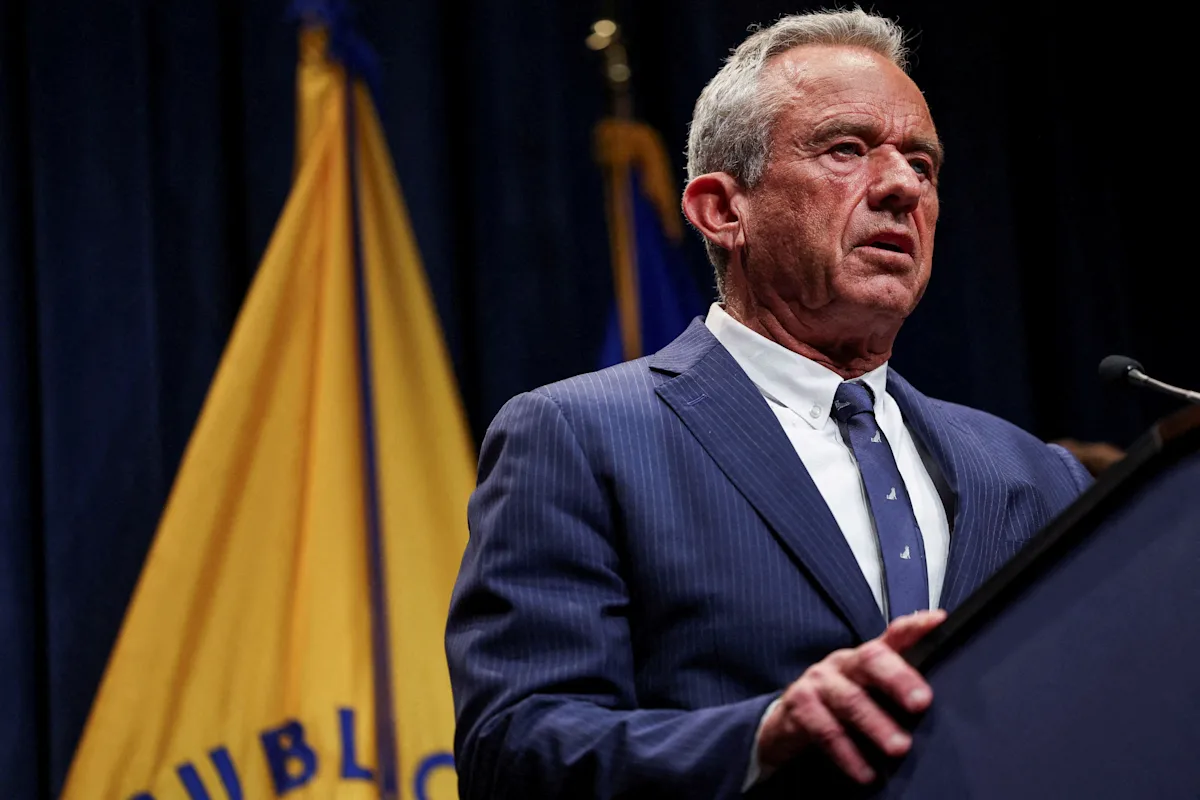
The resurgence of measles cases across the United States has alarmed health officials, policymakers, and the general public. Once considered a disease largely eliminated in the U.S., measles has been making an unwelcome comeback, fueled by declining vaccination rates and misinformation. Prominent voices, including Senator Chuck Schumer, have taken a hard stance, demanding that Robert F. Kennedy Jr. (RFK Jr.) declare a **measles emergency** to contain the outbreak and protect American health.
In recent news reports, Schumer criticized RFK Jr.—a well-known figure in the anti-vaccine movement—for his stance on vaccines, asserting that his opposition has contributed to the current crisis. This tension underscores the broader debate about vaccination policies, individual rights, and public health responsibilities in the United States.
The Context of the Measles Outbreak
Historical Perspective on Measles Control
Historically, the introduction of the measles vaccine in the 1960s significantly reduced the disease’s incidence. By the late 20th century, measles was considered eliminated in the U.S., thanks to widespread vaccination efforts. However, recent years have seen a disturbing reversal of this trend. Several outbreaks are now linked to vaccination hesitancy, fueled by misinformation and distrust in medical authorities.
Current Nationwide Situation
As of recent reports, multiple states are experiencing spikes in measles cases. The Centers for Disease Control and Prevention (CDC) has documented hundreds of new cases over the past year, with some communities seeing localized outbreaks that threaten to reignite larger, national epidemics. These outbreaks highlight vulnerabilities in herd immunity, which requires approximately 95% vaccination coverage to prevent the spread of the virus.
Schumer’s Call to Action: Demanding RFK Jr. Declare Emergency
The Political and Public Health Response
Senator Chuck Schumer, a prominent advocate for public health measures, has publicly called on RFK Jr. to declare a **measles emergency**. According to reports, Schumer blames RFK Jr.’s outspoken anti-vaccine stance for contributing to vaccine skepticism, which, in his view, “walked” the U.S. into the current outbreak.
Schumer’s assertions include:
- RFK Jr.’s advocacy against vaccines has undermined public trust.
- Failure to declare a measles emergency now hampers efforts to mobilize resources effectively.
- Public health officials need clear authority and urgency to implement containment measures.
Why Does a Declaration Matter?
Declaring a **measles emergency** would have significant legal and practical implications. It could enable emergency response teams to expedite vaccine distribution, implement quarantine protocols if necessary, and allocate resources swiftly. Such a declaration underscores the severity of the current situation and facilitates coordinated efforts across federal, state, and local agencies.
The Role of RFK Jr. in the Vaccine Debate
RFK Jr. and the Anti-Vaccine Movement
Robert F. Kennedy Jr. has emerged as a leading figure opposing certain vaccination policies. His vocal stance has garnered a substantial following among those skeptical of vaccine safety, despite scientific consensus affirming vaccines’ safety and efficacy. Critics argue that RFK Jr.’s rhetoric exacerbates vaccine hesitancy, contributing to decreased immunization rates.
Impact on Public Health
The consequences of his influence are tangible. As vaccination coverage dips, communities become vulnerable to preventable diseases like measles, which can cause severe complications, including pneumonia, encephalitis, and even death.
Public and Expert Reactions
Support for Schumer’s Stance
Many public health advocates and political leaders support Schumer’s call, emphasizing the importance of decisive action during outbreaks:
- Dr. Anthony Fauci and the CDC have reiterated the need for swift responses to contain measles.
- State health departments are advocating for increased vaccination campaigns.
- Community organizations are mobilizing to educate the public about vaccine safety.
Opposition and Controversy
Conversely, RFK Jr. and his supporters argue that such declarations might infringe on individual freedoms. They advocate for informed consent and question the safety of vaccines, despite overwhelming scientific evidence to the contrary. The debate continues to polarize opinions, complicating efforts to manage the outbreak.
Strategies for Containment and Prevention
Enhancing Vaccination Campaigns
The most effective strategy to combat measles outbreaks remains high vaccination coverage. Public health officials are emphasizing:
- Increased access to vaccines, especially in underserved communities.
- Educational campaigns countering misinformation.
- Mandatory vaccination policies for school entry in many states.
Legislative and Emergency Measures
Declaring a **measles emergency** could unlock additional legislative powers, such as:
- Mobilizing federal resources for vaccine distribution.
- Issuing quarantine orders if necessary.
- Funding for public awareness and outreach initiatives.
The Broader Implications
Vaccine Hesitancy and Misinformation
The current outbreak underscores the destructive power of misinformation. Despite scientific consensus validating vaccines, false claims persist, driven by social media and certain advocacy groups. Addressing this challenge requires multifaceted approaches, including:
- Engaging trusted community leaders.
- Providing transparent and evidence-based information.
- Counteracting false narratives with facts.
Balancing Public Health and Personal Liberties
The debate around emergency declarations also touches on delicate issues surrounding personal freedoms. Policymakers must navigate the fine line between safeguarding public health and respecting individual rights, ensuring measures are proportionate and justified.
Conclusion: A Call for Unity and Action
The resurgence of measles in the United States is a stark reminder of the importance of vaccination and scientific guidance in protecting public health. While political figures like Schumer are urging for emergency declarations, the underlying challenge remains: how to restore trust, promote vaccination, and prevent future outbreaks. Addressing vaccine hesitancy, combating misinformation, and ensuring timely responses are critical steps moving forward.
As the nation grapples with this public health crisis, concerted efforts from government, healthcare providers, and communities are essential to halt the spread of measles and safeguard the health of all Americans.
For more updated news please keep visiting Hourly Prime News.