

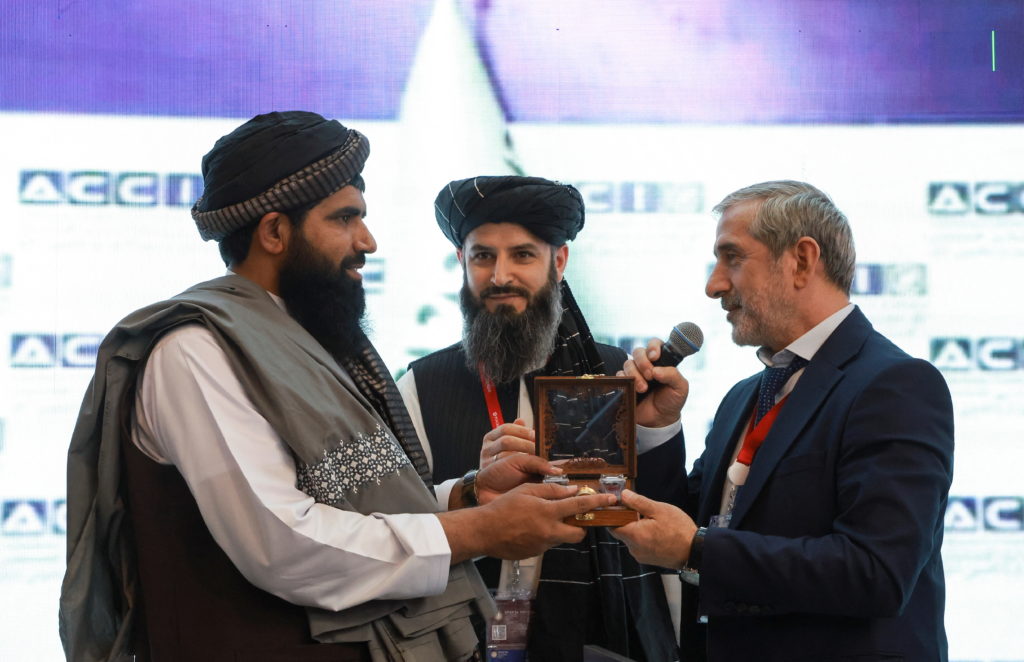
Introduction: A Landmark Move in International Relations
In a significant development that has caught global attention, Russia has officially recognized the Taliban government in Afghanistan. This move marks a pivotal shift in international diplomacy, as Russia becomes the first country to extend formal recognition to the Taliban regime since their return to power in August 2021. This decision not only influences the geopolitical landscape of Central Asia but also raises critical questions about regional stability, diplomatic strategies, and the future of Afghanistan’s governance.
The Context Behind Russia’s Recognition
To understand the gravity of Russia’s recognition, it is essential to look at the background of the Taliban’s resurgence. After the dramatic withdrawal of U.S. and NATO forces, the Taliban rapidly seized control of Afghanistan, declaring their government in August 2021. Despite widespread international concern regarding human rights, terrorism, and regional security, many nations were hesitant to recognize the Taliban officially.
Russia’s decision can be seen as part of a broader strategic calculus. Historically, Russia has maintained significant influence in Central Asia and has strategic interests in Afghanistan, particularly concerning security and counter-terrorism efforts. Recognizing the Taliban can be interpreted as an effort to establish diplomatic channels, manage security threats, and foster influence within Afghanistan’s evolving political landscape.
The Significance of Russia’s Recognition
Being the first country to recognize the Taliban government underscores Russia’s unique position and approach toward Afghanistan. Official recognition implies a willingness to engage with the Taliban regime diplomatically, potentially opening avenues for cooperation on issues ranging from border security to economic development.
Such a move could also exert influence on other countries. Russia’s recognition may set a precedent, prompting Iran, China, and possibly others to formalize their diplomatic relationships with the Taliban. This scenario could lead to a new regional dynamic where multiple powers interact directly with the Afghan government, potentially bypassing Western-led efforts at isolating or influencing the regime.
Implications for Regional and Global Politics
Security and Counter-Terrorism
One of Russia’s primary concerns is the stability and security of the region. With Afghanistan’s borders open and Taliban control consolidated, there are fears of increased terrorist activities, drug trafficking, and refugee flows. Russia’s recognition might be aimed at strengthening border control and fostering intelligence-sharing mechanisms.
Diplomatic and Economic Engagements
From an economic perspective, recognition could facilitate aid, trade, and infrastructure projects. Russia might see this as an opportunity to expand influence in Afghanistan and surrounding regions, potentially creating economic corridors that enhance connectivity across Central Asia.
Impact on US and Western Strategies
The decision marks a subtle but strategic setback for Western efforts to isolate the Taliban. It highlights the complex geopolitical chess game, where regional powers like Russia prioritize pragmatic engagement over ideological opposition. This move could encourage other non-Western countries to reconsider their stances toward Afghanistan’s government and its legitimacy.
Reactions from the International Community
- Western countries have largely been cautious or critical, emphasizing concerns over human rights abuses, especially regarding women and minorities under Taliban rule. Many nations continue to withhold formal recognition, urging the Taliban to uphold international commitments.
- Neighboring countries in Asia, such as China and Iran, have also shown interest in engaging with the Taliban, but their moves have varied, often balancing pragmatism with diplomatic caution.
- Russia’s recognition could prompt a reevaluation of existing diplomatic stances, leading to a more active regional role in Afghanistan’s affairs.
The Future Trajectory: What Comes Next?
While Russia’s recognition is groundbreaking, it is only the beginning of a complex diplomatic process. Several factors will influence how this relationship develops:
- Diplomatic Stability: Can Russia foster a stable, mutually beneficial relationship with the Taliban, balancing security concerns with diplomatic recognition?
- International Reactions: Will Western and regional powers follow suit in extending recognition or maintaining their current policies?
- Afghanistan’s Internal Politics: How will the Taliban regime respond to this recognition? Will it lead to increased legitimacy and international aid, or will internal governance remain challenged?
- Regional Security Dynamics: Could this recognition lead to new alliances or tensions within the region, especially with Pakistan, India, and China observing closely?
Conclusion: A Turning Point in Afghanistan’s Diplomacy
Russia’s decision to recognize the Taliban government signifies a transformative moment in Afghanistan’s diplomatic landscape. It reflects Russia’s pragmatic approach to regional influence and underscores the complex geopolitics at play. While it might pave the way for greater stability and engagement, it also raises critical questions about the future of human rights, governance, and regional security.
As the world watches, the coming months will reveal whether this recognition will translate into meaningful change on the ground or become another chapter in the evolving saga of Afghanistan’s uncertain future.
Sources & Further Reading
- Russia Recognizes Taliban Government — India Today
- Global Perspectives on Russia Recognizing Taliban — The Hindu
- Russia Recognizes Afghanistan’s Taliban — BBC