

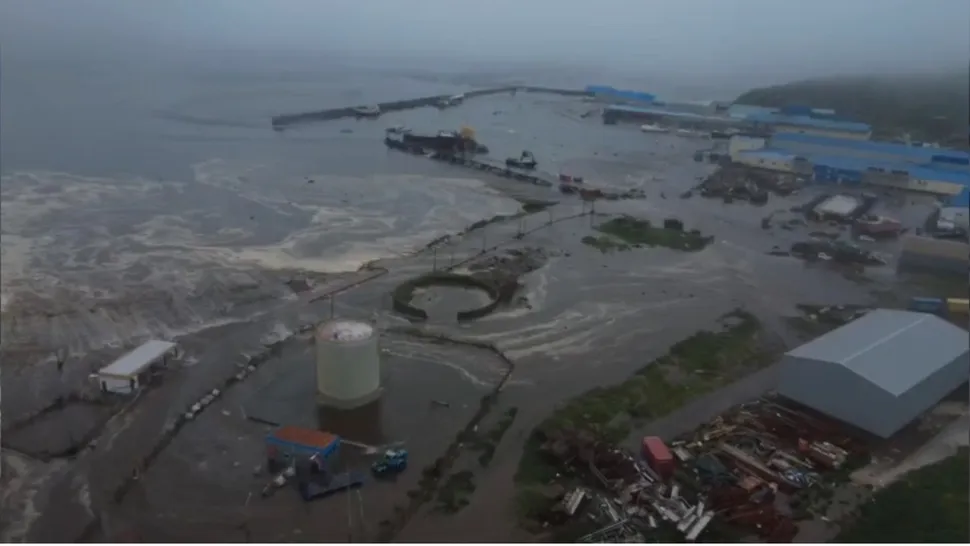
Russia Earthquake and Tsunami Updates – A Sudden Force of Nature
The recent seismic activity originating from Russia’s Far East has sent shockwaves across the Pacific region, causing widespread concern about tsunamis and their potential impact on neighboring lands and distant coastlines. This unexpected event has not only affected Russia but has also resulted in significant waves reaching various parts of Hawaii, Alaska, and even as far as Washington State in the United States. In this blog, we will provide a comprehensive overview of the latest updates, scientific insights, and the ongoing emergency response measures to keep you informed about this natural catastrophe.
Details of the Russian Earthquake and Its Immediate Aftermath
The earthquake, centered in Russia’s eastern Siberian region, registered a high magnitude that was felt across the vast expanses of the Russian Far East. According to initial reports, the quake’s intensity was significant enough to generate a potential tsunami threat—an eventuality that prompted emergency alerts not only within Russia but across the Pacific basin.
Scientists from seismology agencies quickly issued warnings highlighting the possibility of waves propagating across the Pacific Ocean. The seismic event was also notable for its depth and power, prompting immediate concern about its capacity to trigger a tsunami that could impact distant shores.
LIVE Updates: Tsunami Waves Impacting Hawaii, Alaska, and Washington
Tsunami Hits Parts Of Hawaii and Alaska
The latest reports confirm that **tsunami waves have struck parts of Hawaii and Alaska**, causing precautionary evacuations and alert warnings. Local authorities in Hawaii issued alerts urging residents to stay away from coastal areas as towering waves approached. Some regions experienced minor flooding, but no major damages or injuries have been reported so far.
In Alaska, coastal communities faced similar threats, with waves reaching up to several meters in some locations. Emergency services have responded swiftly, and evacuation procedures were activated in vulnerable zones. The waves caused disruptions to marine activities and coastal infrastructure but remained within manageable limits due to timely alerts.
Waves Sighted in Washington State
Although Washington is geographically distant, **waves were also observed along parts of the Washington coast**. While these waves were less severe, their appearance confirmed the widespread reach of the tsunami generated by the Russian quake. Local authorities in the Pacific Northwest monitored the situation and issued advisories to the public to avoid oceanfront areas until detailed assessments were complete.
Updates from Major News Outlets
– According to NDTV’s live coverage, the tsunami waves that originated from the Russian earthquake have impacted multiple Pacific regions, with some reports indicating waves reaching US shores as far as Washington State.
– The BBC reported that the **waves reached the US West Coast after the seismic event**, prompting warnings in California and neighboring states, although no significant damage was reported.
– The Hindu highlighted that **several countries, including Japan, have downgraded tsunami alerts** after initial warnings suggested possible large-scale waves, underlining the importance of continuous monitoring and response adjustments.
– Reuters echoed these sentiments, noting that **tsunami waves reached Hawaii after the quake in Russia’s Far East**, emphasizing the power and reach of these seismic forces.
Scientific Insights: How Do Earthquakes Lead to Tsunamis?
Understanding how a distant earthquake can generate destructive tsunamis involves comprehending the dynamics of seismic activity beneath the ocean floor. When a significant earthquake occurs, especially along subduction zones or fault lines beneath the seabed, it can cause the ocean floor to shift abruptly. This sudden vertical displacement displaces the overlying water mass, creating waves that propagate across the ocean at high speeds.
The energy released during the Russian earthquake was sufficient to generate such a displacement, with the waves gradually traveling across the Pacific. Given the vast distances involved, it takes several hours for the waves to reach distant shores, yet the energy remains potent enough to cause damage and trigger emergency responses.
The wave height and impact depend on various factors, including the earthquake’s magnitude, depth, and the geology of the sea floor. Authorities worldwide rely on this scientific data to issue accurate warnings and implement evacuation strategies in affected regions.
Emergency Response and Safety Measures
In response to the tsunami alerts, local governments and agencies ratcheted up their emergency preparedness measures. These include:
– **Evacuations:** Coastal residents in Hawaii, Alaska, and parts of Canada were advised to evacuate low-lying areas and seek higher ground.
– **Marine Safety:** Ships and vessels were urged to avoid the threatened coastal zones and seek shelter offshore.
– **Public Alerts:** Continuous updates were disseminated through various channels, including SMS alerts, radio, and social media, to inform residents in real-time.
– **Post-Event Assessments:** After waves subsided, officials carried out damage assessments to gauge any structural impacts and to prepare for potential aftershocks or subsequent waves.
The key safety advice remains clear: stay tuned for official updates, avoid unnecessary coastal travel during alerts, and follow evacuation directives diligently.
Lessons Learned and Future Preparedness
This event underscores the importance of preparedness and rapid response in the face of natural disasters. It highlights the need for:
– **Enhanced Monitoring:** Investment in seismological and oceanographic monitoring systems worldwide.
– **Public Awareness:** Educating communities about tsunami warning signs and evacuation procedures.
– **International Cooperation:** Sharing data and resources among countries within the Pacific basin to handle seismic events efficiently.
– **Resilience Building:** Strengthening coastal infrastructure to withstand tsunami impacts and minimize damage.
By learning from this incident, policymakers and communities can bolster their resilience against future seismic and tsunami threats.
Conclusion: A Reminder of Nature’s Power
The recent Russian earthquake and the subsequent tsunami waves serve as stark reminders of nature’s immense power. While science and technology have significantly improved our ability to forecast and respond to these events, the best protection remains community awareness and preparedness. As the situation continues to evolve, authorities urge the public to stay alert through official channels and heed safety instructions.
Let us remember that while these natural phenomena are beyond human control, our preparedness and response can mitigate their impact and save lives.
For more updated news please keep visiting Hourly Prime News.