

Introduction
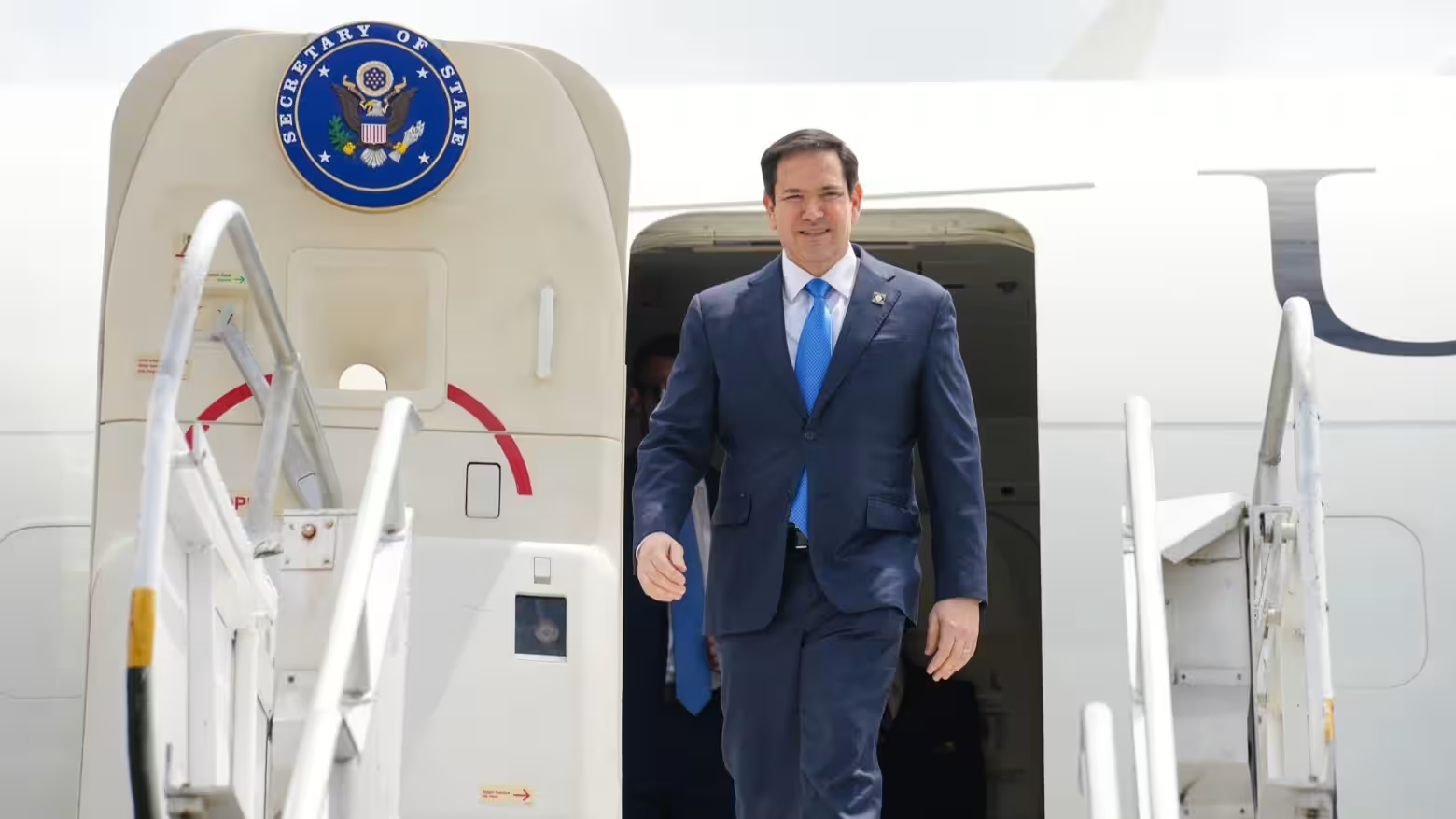
In an unexpected shift of diplomatic priorities, Senator Marco Rubio has announced the postponement of his planned visits to Japan and South Korea. This move is largely driven by the escalating complexities and urgency surrounding the ongoing Middle East conflict. As international diplomatic landscapes evolve rapidly, policymakers are dynamically adjusting their focus to respond to what they perceive as a pressing global crisis.
Background: The Significance of Japan and South Korea in U.S. Diplomacy
Historically, Japan and South Korea have occupied pivotal roles in U.S. foreign policy, especially in the Indo-Pacific region. These alliances are instrumental in ensuring regional stability, counterbalancing China’s rising influence, and fostering economic and military collaboration. Visits to these nations typically serve as critical opportunities to reinforce diplomatic ties, discuss trade, security arrangements, and regional cooperation.
Senator Rubio’s initial trip plan aimed to engage with high-level officials, participate in bilateral discussions, and promote strategic partnerships. However, recent developments in the Middle East have prompted a reevaluation of these priorities.
The Escalating Middle East Crisis: Why the Shift?
The Middle East has been a focal point of geopolitical tension for decades, but recent events have intensified the urgency. Key factors include:
- Surge in Hostilities: Renewed outbreaks of violence in regions like Gaza, Israel, and Lebanon have resulted in significant casualties and destabilization.
- Wider regional implications: The conflict’s potential spillover into neighboring countries raises concerns about wider regional destabilization.
- International Response Needs: The U.S. and allied nations are under mounting pressure to coordinate responses, humanitarian aid, and diplomatic efforts.
In this context, Senator Rubio’s decision to prioritize Middle East diplomacy underscores the critical importance of responding swiftly and effectively to the crisis.
The Decision to Postpone Diplomatic Visits
What prompted the delay?
The primary driving factor behind this postponement is the need for hands-on leadership and strategic planning in the Middle East. Rubio and his team recognize that robust diplomacy, aid coordination, and policy adjustments require direct engagement and a focused approach.
Additionally, the unpredictable developments in the region demand flexibility and real-time decision-making, making such lengthy international trips less feasible at this juncture.
Impacts of the Postponement
This shift has several implications:
- Diplomatic Realignment: A strategic pivot to address immediate crises rather than long-planned diplomatic visits.
- Strengthening U.S. Response: Resources and attention are diverted to respond to urgent humanitarian and security needs in the Middle East.
- International Signal: Demonstrates the seriousness with which the U.S. regards the current conflict, emphasizing diplomatic prioritization.
Reactions from Stakeholders
Reactions to Rubio’s decision have been mixed across the diplomatic community, political spectrum, and allied nations. Allies in East Asia initially viewed the visits as an opportunity to reinforce alliances; however, many understand the necessity of addressing a rapidly evolving crisis elsewhere.
In the U.S., some critics argue that such shifts could temporarily weaken bilateral ties with Japan and South Korea, especially amid growing regional security concerns. Conversely, supporters contend that strategic flexibility and prioritization during crises are essential traits of effective leadership.
The Broader Context of U.S. Foreign Policy
This decision illustrates a broader trend in U.S. foreign policy, where immediate threats often lead to recalibrated diplomatic efforts. While long-term alliances with nations like Japan and South Korea remain vital, crises like those in the Middle East require immediate attention, often reshaping policy focus.
Historically, U.S. diplomacy has been marked by such strategic shifts, balancing regional commitments with global security priorities. Rubio’s move exemplifies the adaptive nature of American foreign policy, emphasizing the importance of responding proportionally to emerging global challenges.
Looking Ahead: The Future of Diplomatic Engagements
Though Rubio’s trip has been delayed, it is expected that plans for future visits to Japan and South Korea will be rescheduled once the situation in the Middle East stabilizes. Diplomatic channels remain open, and continued engagement will likely occur through virtual meetings, regional security dialogues, and high-level talks in the near future.
Furthermore, this temporary deferral highlights the importance of flexible diplomacy, where priorities are dictated by global circumstances rather than fixed schedules, ensuring that U.S. foreign policy remains responsive and effective amidst shifting geopolitical landscapes.
Conclusion
Senator Marco Rubio’s decision to postpone his planned visits to Japan and South Korea underscores a pivotal moment in international diplomacy. By prioritizing the urgent crisis in the Middle East, U.S. policymakers demonstrate a strategic shift towards addressing the most immediate and pressing global threats. While this may temporarily alter bilateral engagement timelines, it reflects a critical understanding: effective diplomacy requires adaptability, responsiveness, and a focus on securing regional and global stability during times of heightened conflict.
As the situation in the Middle East continues to evolve, the international community will be watching closely how these diplomatic efforts unfold and what they mean for the future of U.S. foreign policy.