

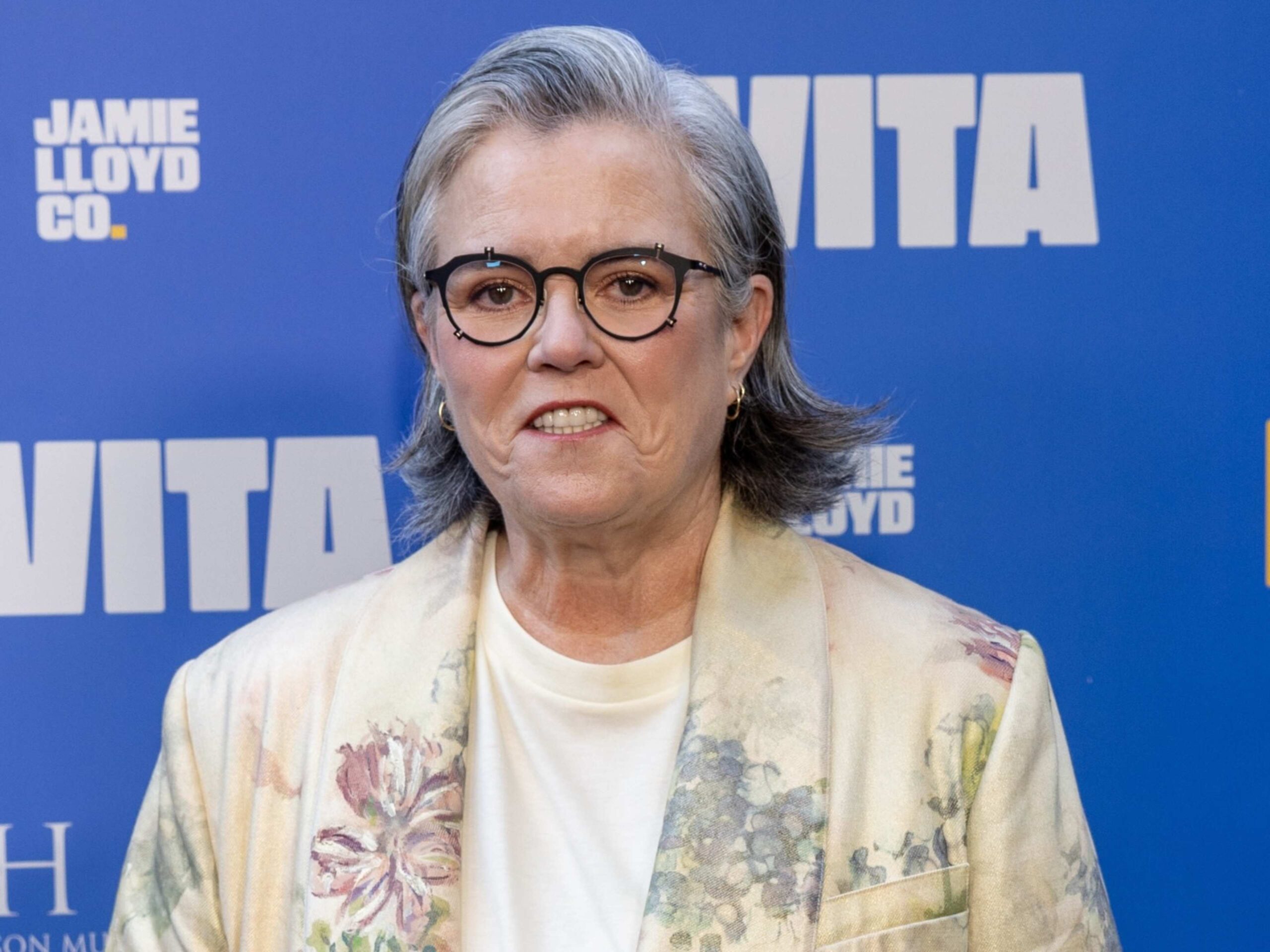
The political landscape has always been a hotbed of controversy, but certain moments manage to captivate public attention and spark widespread debate. One such recent incident involved comedian and actress Rosie O’Donnell and former President Donald Trump. The situation intensified when Trump issued threats regarding O’Donnell’s citizenship status, prompting a swift and emphatic response from the entertainer. This article takes an in-depth look at Rosie O’Donnell’s reaction to Trump’s threats, analyzing the context, implications, and the broader conversation about civility in political discourse.
The Background of the Conflict
Historical Tensions and Public Feuds
Rosie O’Donnell and Donald Trump have had a long-standing history of public disagreements, often expressed through social media, interviews, and various media outlets. While their disputes initially appeared to be personal, over the years, they also symbolized larger political and cultural divides within the United States. O’Donnell, known for her outspoken personality and progressive views, frequently criticized Trump’s policies and conduct, especially during his presidency.
The Turning Point: Trump’s Citizenship Threat
Despite their previous disputes, a particular statement by Donald Trump brought their conflict into the headlines once again. During a rally or public appearance, Trump claimed that Rosie O’Donnell was not an American citizen, threatening to “check” her citizenship status. Such comments sparked widespread outrage, both from the public and from advocacy groups dedicated to maintaining civility in political debate.
This threat was seen by many as not just a personal attack but also as an attempt to undermine O’Donnell’s rights and legitimacy—an issue that resonated deeply within broader conversations about the dignity of dissent and free speech.
Rosie O’Donnell’s Response
Public Statement and Social Media Outburst
Almost immediately after Trump’s remarks, Rosie O’Donnell took to social media to respond. Her reply was bold, defiant, and unapologetic, clearly emphasizing her stance against threats and tone-deaf political rhetoric. She wrote:
“If Donald Trump wants to question my citizenship, he should say it to my face, not threaten my reputation with baseless claims.”
This statement resonated with many fans and supporters who viewed her response as a stand for dignity and integrity amidst a highly polarized environment.
Media Interviews and Public Engagements
Beyond social media, O’Donnell appeared on various talk shows and news segments to further clarify her position. She criticized Trump’s tactics, calling them “reckless” and “unpresidential.” Rosie emphasized that her citizenship status was a matter of pride and that attempts to intimidate or discredit her were unacceptable in civic discourse.
The Broader Context: Civility and Political Discourse
The Erosion of Civility in Politics
This incident highlights a concerning trend where political figures, especially those with populist or confrontational styles, cross boundaries of respectful debate. The threats and personal attacks diminish the quality of public discourse and can have dangerous repercussions, including inciting violence or fostering division.
Rosie O’Donnell’s response serves as a reminder of the importance of maintaining civility, even when disagreeing vehemently. It underscores the need for leaders and citizens alike to uphold respect and dignity in their communications.
The Role of Media in Shaping Public Perception
The portrayal of this rivalry in the media further fuels public debate about accountability and responsibility. News outlets like Us Weekly have covered these exchanges extensively, framing them within the larger narrative of political conflict and celebrity culture. These stories often stir emotions and influence public opinion on both sides.
- Public Opinion: Many viewers admired O’Donnell’s courage to stand up publicly against threats.
- Political Impact: Such incidents can sway voter perceptions during election cycles or influence policy debates.
- Media Responsibility: Emphasizes the importance of responsible journalism that fosters constructive dialogue.
Implications and Future Perspectives
Impact on Rosie O’Donnell’s Career and Public Image
This incident has perhaps reinforced Rosie O’Donnell’s image as a courageous advocate for civility and justice. Her response has garnered respect from many, especially among those who value outspoken truthfulness over political correctness.
Moreover, her resilience in the face of threats highlights her commitment to standing against bullying and intimidation tactics, regardless of the high-profile nature of her adversary.
Lessons for the Political Climate
This controversy sheds light on the dangerous consequences of resorting to personal insults and threats in political debates. It underscores the urgent need for leaders and public figures to promote respectful dialogue and to avoid demeaning opponents—an essential step toward a healthier democracy.
For the general public, it acts as a reminder to critically evaluate rhetoric and to promote civility in everyday conversations, especially on divisive issues.
Conclusion
The exchange between Rosie O’Donnell and Donald Trump exemplifies the fragile state of civility in modern American politics. Rosie’s fearless response to Trump’s citizenship threats demonstrates the importance of standing firm against intimidation and personal attacks. This incident should serve as a wake-up call for all involved in the political process to prioritize respect, integrity, and constructive engagement.
In an era where social media often amplifies hostility, Rosie O’Donnell’s stance reminds us that dignity and civility are essential components of healthy discourse. Whether in public or private life, the fight against shameful tactics and threats should be unwavering, fostering a culture where disagreements are met with respectful debate rather than personal destruction.
For more updated news please keep visiting Hourly Prime News.