

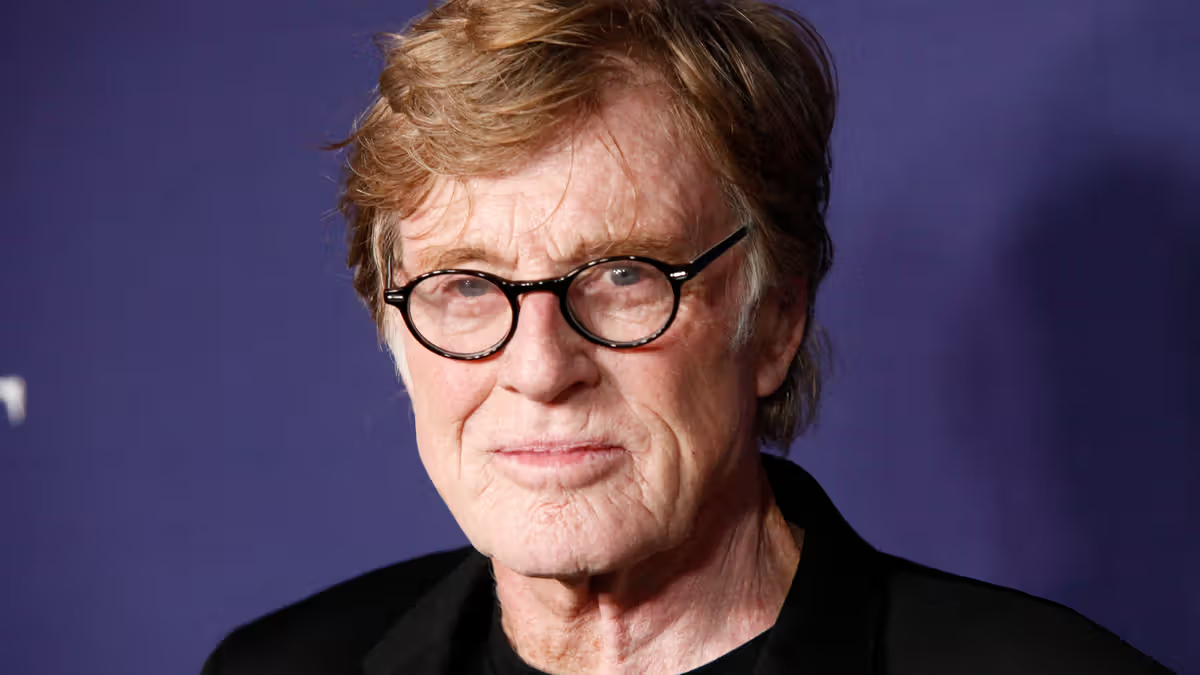
In the cinematic universe, few films have managed to carve out a distinctive niche that captures the essence of political undercurrents and the complexities of leadership quite like The Candidate. Released in 1972, this film not only garnered critical acclaim but also solidified Robert Redford’s reputation as a versatile actor capable of delivering powerful performances intertwined with social commentary.
Fast forward to recent years, and whispers of a potential sequel to this iconic film have begun surfacing, igniting excitement among film enthusiasts and Redford fans alike. The idea of revisiting the story of Bill McKay, the idealistic lawyer drawn into the murky waters of political campaigning, has sparked discussions about the relevance of the original narrative in today’s polarized political climate.
Redford’s Enduring Vision: A Sequel Years in the Making
According to The Hollywood Reporter, Robert Redford has expressed a deep-rooted desire to revisit the story that made him a household name. Even decades after his golden era in Hollywood began, Redford’s passion for storytelling remains evident. His hope to craft a sequel to The Candidate underscores a broader ambition—to explore how the themes of political ambition, idealism, and corruption have evolved over time.
This aspiration speaks to the timelessness of the original film’s core messages and the relevance of revisiting such a moral and political inquiry amid modern upheavals and populist movements. Redford’s dedication to this project signifies not only an ongoing love for cinema but also a desire to contribute thoughtfully to the ongoing dialogue about politics and morality in America.
The Original Film and Its Cultural Impact
To understand the significance of Redford’s wishlist, it’s essential to reflect on what made The Candidate a groundbreaking film. The 1972 movie starred Robert Redford himself as Bill McKay, an idealistic lawyer who is drawn into a political campaign and, along the way, gets caught up in the compromises and ethical dilemmas of realpolitik.
Key themes of the original film include:
- The corrupting influence of power and ambition
- The contrast between idealism and pragmatism in politics
- The impact of media and public perception on campaigns
- The personal costs of political engagement
The film’s narrative struck a chord because it highlighted the often disillusioning realities behind the glitz and glamour of electoral politics. It showcased how even well-intentioned individuals could become ensnared in a system that often conflicts with their moral beliefs.
Decades later, these themes remain strikingly relevant, perhaps even more so given today’s hyper-partisan environment, social media influence, and the pervasive demand for transparency. Naturally, many believe that revisiting McKay’s story would provide valuable insights into contemporary political dynamics.
The Challenges and Possibilities of a Sequel
Bringing back a story as nuanced as The Candidate is no small feat. Redford’s desire to pursue a sequel involves navigating various challenges:
- Narrative Continuity: How does the story progress from the original’s conclusion? Would McKay’s character evolve into someone disillusioned or transformed by time?
- Modern Political Landscape: How to embed current issues like social media manipulation, campaign financing, and populist rhetoric into the storyline?
- Casting and Direction: Would Redford himself return to direct or act again? Which emerging actors and filmmakers could bring fresh perspectives?
- Audience Expectations: Balancing nostalgia with innovation requires careful storytelling to satisfy both fans of the original and new viewers.
Despite these challenges, the prospects of such a project are exciting. A sequel could serve as a mirror, reflecting the current state of American politics while paying homage to the original’s legacy.
The Broader Cultural Context and Timing
The timing of Redford’s interest couldn’t be more fitting. With recent political scandals, debates over democratic institutions, and the rise of populist movements, the nation finds itself at a crossroads that echoes many themes from the early 1970s. Revisiting The Candidate through a modern sequel could foster critical conversations on civic engagement and the nature of leadership today.
Furthermore, Redford’s involvement adds a layer of credibility and artistic integrity that could elevate the project beyond mere entertainment. His long-standing reputation for socially conscious filmmaking positions him as an ideal steward to tell this story anew.
Legacy and Future Outlook
While a sequel has yet to materialize, the very prospect of Robert Redford’s ambitions underscores a fascinating intersection of nostalgia and relevance. It exemplifies how film can serve as both a reflection of its time and a catalyst for dialogue on pressing societal issues.
As audiences continue to grapple with political disillusionment and the search for authentic leadership, revisiting this quintessential political drama seems increasingly pertinent. If Redford finally pushes this project forward, it could offer a powerful reminder of the enduring importance of integrity and truth in the messiness of politics.
Conclusion
In conclusion, Robert Redford’s decades-long wish to create a sequel to The Candidate symbolizes a deep commitment to storytelling that resonates with contemporary audiences. It embodies the idea that cinema not only entertains but also educates and inspires critical reflection on the societal values that define us. Whether or not the sequel comes to fruition, the conversation around such a project highlights the timeless appeal of political dramas rooted in authenticity and moral inquiry.
For more updated news please keep visiting Hourly Prime News.