

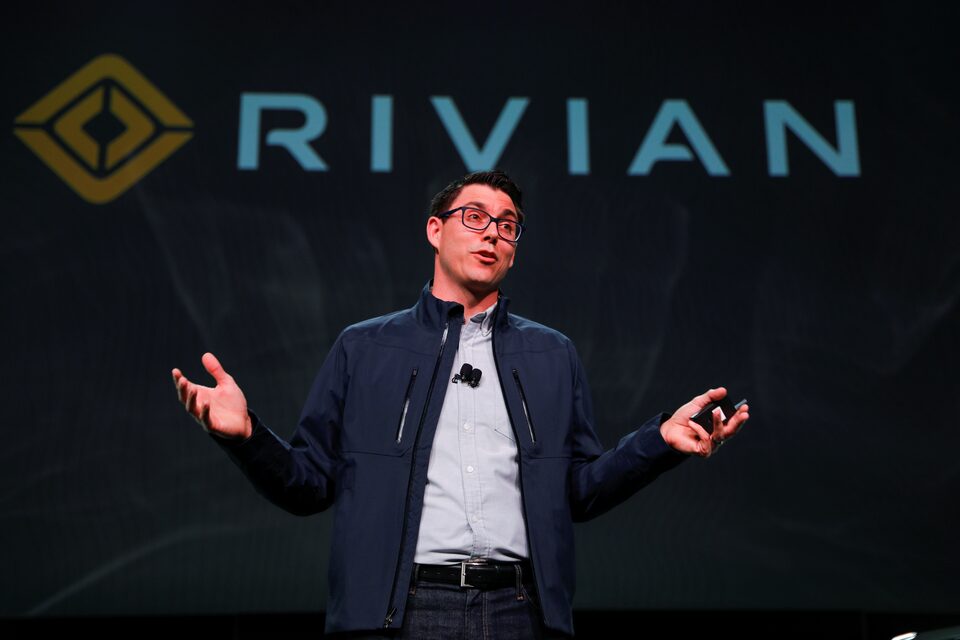
In recent statements that have attracted widespread attention, Rivian’s CEO has voiced a strong critique of the current trajectory of the U.S. auto industry. His remarks, which include the sentiment that it “blows my mind” that the industry is shifting its focus toward gas-powered vehicles, highlight a growing concern among electric vehicle (EV) manufacturers and sustainability advocates. This sentiment underscores a significant disconnect between the industry’s evolving innovation landscape and its continued investment in traditional internal combustion engine (ICE) vehicles.
While the global automotive market is undeniably heading toward electrification, many major players in the United States are still funneling capital into gas-powered models. This strategic misalignment raises questions regarding the industry’s commitment to sustainable progress, especially given the pressing need for decreased emissions and the acceleration of clean energy adoption. Rivian’s CEO’s comments serve as a wake-up call, urging policymakers and industry leaders to reconsider their priorities and accelerate investments in zero-emission transportation.
The Environmental and Economic Implications
The continued focus on gas vehicles is not just a matter of corporate strategy; it has significant environmental consequences. Internal combustion engines are among the primary contributors to greenhouse gas emissions, air pollution, and climate change. As the world faces increasingly severe climate challenges, the reluctance to shift capital toward electric alternatives threatens to undermine the US’s commitments to climate goals and sustainable development.
On an economic level, sticking to traditional gas vehicle production stifles innovation in cleaner technologies and can lead to missed opportunities in a rapidly growing EV market. Consumer preferences are shifting as well—surveys indicate that buyers are increasingly prioritizing EVs for their lower operating costs, technological advancements, and environmental benefits. Companies that cling to conventional gas models risk losing their competitive edge and market share in an industry that is quickly transforming.
Possible Reasons Behind the Industry’s Reprioritization
To understand why major automakers continue to prioritize gas vehicles, despite the clear signals to the contrary, it’s essential to examine several underlying factors:
- Infrastructure Challenges: Building comprehensive charging networks remains a work in progress, creating hesitations for both manufacturers and consumers.
- Technological Uncertainty: Some companies perceive EV technology as still evolving, which might lead them to hedge their bets with traditional models.
- Market Demand and Consumer Preferences: In certain regions, there is still significant demand for gas-powered cars, making it appear economically advantageous for companies to continue producing them.
- Regulatory and Policy Environment: Inconsistent policies or delays in tightening emissions standards can slow the shift toward electrification.
What Rivian’s Perspective Means for the Future of Transportation
The outspoken comments from Rivian’s CEO indicate a broader industry conversation: the necessity of timely, decisive action in redirecting investment toward sustainable transportation solutions. Rivian, as a relatively new player dedicated solely to electric vehicles, exemplifies the future-focused approach that many industry insiders believe will define the next decade.
Rivian’s stance reflects a belief that innovation in electric mobility is not only feasible but urgent. The company’s leadership emphasizes that investing in gas vehicles is a short-sighted approach that hampers efforts to combat climate change and slow environmental degradation. Their perspective encourages industry stakeholders to re-evaluate existing strategies and to embrace a more sustainable outlook.
The Role of Policymakers and Industry Leaders
For meaningful change to occur, collaboration between automakers, policymakers, and consumers is essential. Regulatory frameworks that incentivize EV adoption—such as tax credits, stricter emissions standards, and investments in charging infrastructure—are vital. Industry leaders must also recognize that consumer preferences are shifting, and failing to adapt could lead to long-term declines in market share.
Furthermore, fostering innovation requires substantial capital investment in research and development of EV technologies. It also involves dismantling barriers related to supply chains, battery manufacturing, and recyclability of electric components. The industry’s realignment must be driven by a shared vision for a sustainable future rather than short-term profitability derived from traditional fuel vehicles.
The Path Forward: Embracing Sustainable Innovation
Looking ahead, the automotive industry in the U.S. has an unprecedented opportunity to lead the world in electric mobility. Companies that prioritize research into battery technologies, charging network expansion, and vehicle affordability will be better positioned for success. As Rivian’s CEO points out, the current focus on gas vehicles is a **”mind-blowing”** misallocation of resources at a time when the global environmental stakes have never been higher.
It is crucial for industry leaders to challenge the status quo, invest heavily in clean technology, and align their strategies with the broader goals of sustainability and climate resilience. This shift not only benefits the environment but also creates a resilient economy fueled by innovation rather than outdated manufacturing paradigms.
Conclusion
The perspective shared by Rivian’s CEO sheds light on a critical juncture in the automotive industry’s evolution. As the world demands cleaner, more sustainable transportation options, the continued investment in gas-powered vehicles appears increasingly out of touch. Industry momentum is building toward electrification, driven by technological advancements and shifting consumer values. Leaders within the US auto industry must recognize that the future belongs to electric mobility and act accordingly.
By redirecting capital and strategic focus toward sustainable innovations, the US automotive industry can reclaim its position as a global leader in clean transportation solutions, contributing positively to environmental goals and economic growth.
For more updated news please keep visiting Hourly Prime News.