

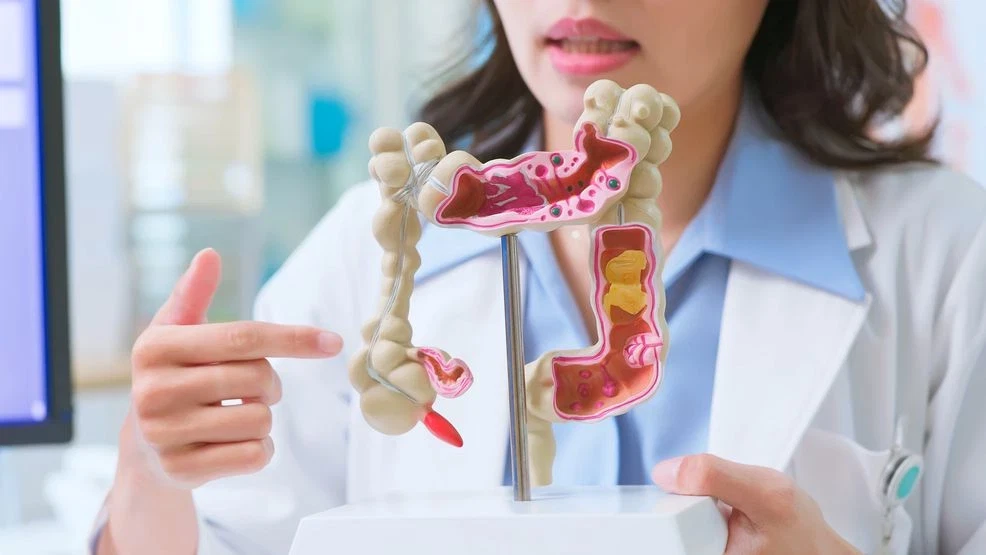
In recent years, there has been an alarming increase in gastrointestinal (GI) cancers diagnosed among young adults—individuals in their 20s, 30s, and early 40s. Traditionally viewed as ailments predominantly affecting older populations, these cancers are now appearing with concerning frequency in younger demographics. Experts and healthcare professionals across the globe are sounding the alarm, emphasizing the urgent need for early screening protocols and significant lifestyle modifications to combat this rising trend.
Understanding the Rising Trends
Multiple studies and reports, including those highlighted in recent news articles, indicate a disturbing acceleration in the incidence of GI cancers among youth. While environmental factors, genetic predispositions, and lifestyle choices all play roles, the multifactorial nature of this trend necessitates a comprehensive approach. According to The Hans India, the rising trend of GI cancers in young people is undeniable.
Key Types of GI Cancers Affecting Young Adults
- Colorectal Cancer: Increasingly diagnosed in individuals under 50, colorectal cancer is now one of the leading GI cancers impacting the youth. A recent report from Times of India reports a significant rise in cases among young adults.
- Gastric and Esophageal Cancers: Incidences of stomach and esophageal cancers are also climbing among the youth, potentially linked to dietary habits and lifestyle factors.
- Other GI cancers: Such as pancreatic and small intestine cancers, although less common, are seeing an upward trend in early onset cases.
Why Are These Cancers Increasing in Young Adults?
The underlying reasons behind this alarming rise are complex, involving a mixture of genetic, environmental, and lifestyle factors. Some of the critical reasons include:
- Diet and Nutrition: Modern diets high in processed foods, red meats, and low in fiber can contribute to GI cancer risk. Increased consumption of fast food and sugary beverages plays a role.
- Sedentary Lifestyle and Obesity: Lack of physical activity and rising obesity levels are strongly linked to higher risks of GI cancers, particularly colorectal cancer.
- Alcohol and Tobacco Use: Increased consumption of alcohol and smoking habits contribute significantly to GI carcinogenesis.
- Environmental Exposure: Pollution, chemical contaminants, and exposure to carcinogens in certain workplaces augment cancer risk.
- Genetic and Family History: A family history of GI cancers can predispose young individuals to early onset of these malignancies.
Importance of Early Screening
The rise in GI cancers among young individuals underscores the crucial need for early detection strategies. Traditionally, screening for colorectal cancer, for example, has been recommended starting from age 45 or 50. However, given the recent trends, health authorities and clinicians are advocating for earlier screening—sometimes even starting in the late 20s or early 30s for those at higher risk.
Screening methods such as colonoscopy, stool tests, and imaging are vital tools in identifying precancerous lesions and early-stage cancers, significantly increasing treatment success rates. The Hans India emphasizes the importance of screening for early detection.
What Lifestyle Changes Can Reduce Risk?
Addressing the root causes of this surge involves significant lifestyle adjustments. Some key changes include:
- Adopting a Balanced Diet: Incorporate more fruits, vegetables, high-fiber foods, and limit processed and red meats. Reducing intake of sugary drinks and fast foods is essential.
- Increasing Physical Activity: Engage in regular exercise to maintain a healthy weight and improve gut health.
- Limiting Alcohol and Tobacco: Abstaining or reducing consumption of alcohol and avoiding smoking can considerably lower cancer risks.
- Managing Stress and Sleep: Chronic stress and poor sleep patterns can weaken immunity, making the body more susceptible to cancers.
- Regular Health Check-ups: Especially if there’s a family history of GI cancers or other risk factors, early screening is paramount.
Implementing these changes not only reduces cancer risk but also contributes to overall wellness and quality of life.
What the Medical Community Recommends
Medical professionals, including top US doctors and international health agencies, stress the importance of early detection through screening and preventive care. They suggest that young adults, especially those with familial predispositions or unhealthy lifestyles, should be proactive in undergoing regular check-ups and discussing risk assessments with healthcare providers.
Additionally, awareness campaigns are being launched to educate the public about the warning signs of GI cancers. Symptoms such as persistent abdominal pain, unusual weight loss, blood in stool, difficulty swallowing, and unexplained fatigue should never be ignored and warrant prompt medical attention.
The Need for Public Awareness and Policy Change
As the incidence of GI cancers rises among young people, policymakers must revisit screening guidelines, promote healthier lifestyles, and invest in research to understand the underlying causes better. Public health campaigns stressing early detection, healthy eating, and physical activity are crucial components in reversing this trend.
Conclusion
The increasing rates of gastrointestinal cancers in young adults serve as a wake-up call for individuals and health systems worldwide. Early screening, combined with meaningful lifestyle changes, can drastically improve prognosis and save lives. Awareness, education, and proactive healthcare strategies are the need of the hour to tackle this emerging crisis effectively.
Remember: Prevention is always better than cure, especially in the fight against rising GI cancers among youth.
For more updated news please keep visiting Hourly Prime News.