

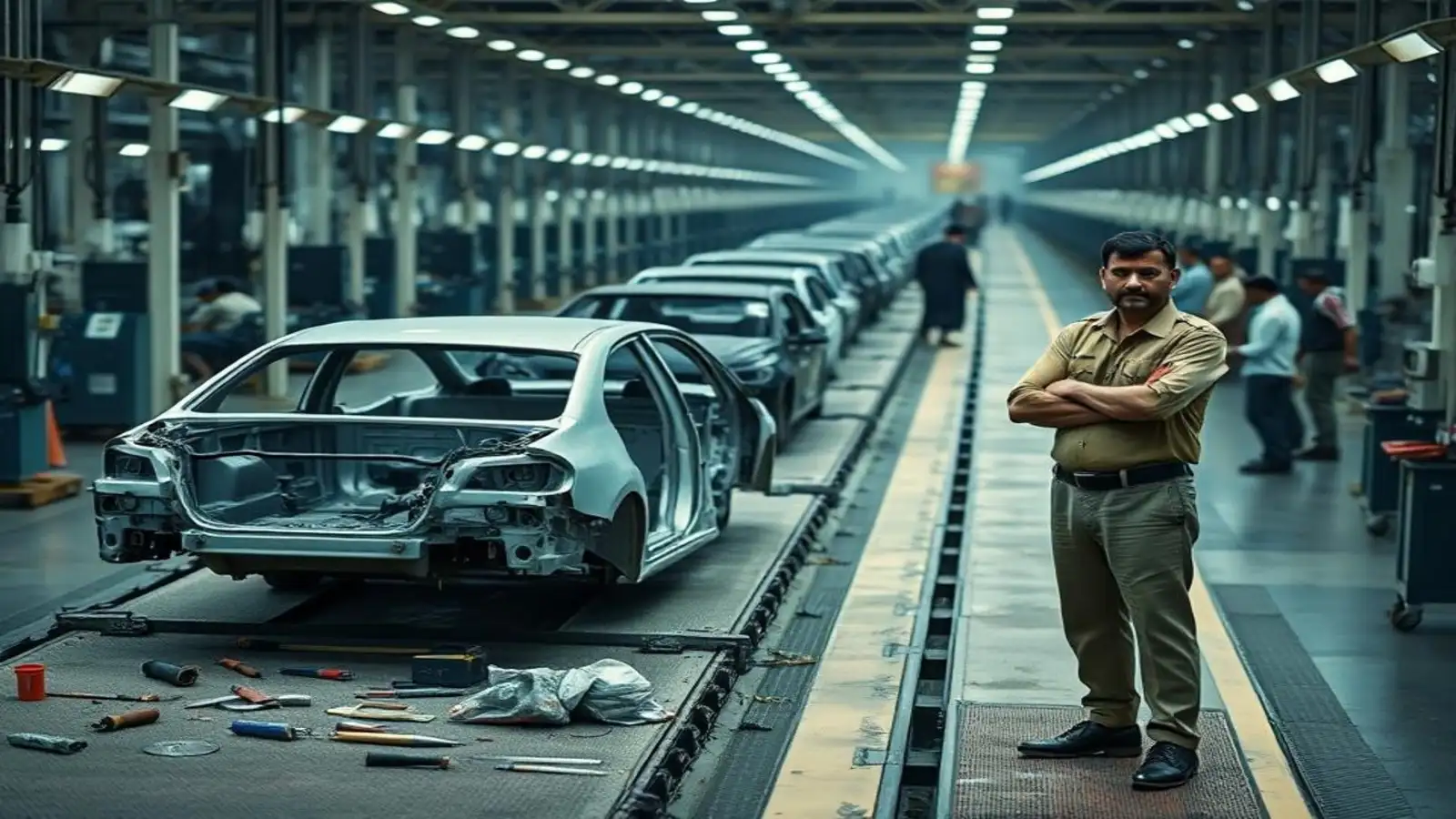
The global automotive industry is facing a significant challenge—**the shortage of rare earth magnets**. These vital components are fundamental to the functioning of modern electric vehicles (EVs), particularly in motors that demand high-performance permanent magnets. The unprecedented supply chain disruption signifies more than just a temporary setback; it’s a **compelling wake-up call** for automakers, policymakers, and stakeholders worldwide.
The Crucial Role of Rare Earth Magnets in Automobiles
Rare earth magnets, primarily composed of elements such as neodymium, dysprosium, and praseodymium, are essential in producing powerful, lightweight magnets used in EV motors and other electronic components. Their importance can be summarized as follows:
- Efficiency and Performance: These magnets enable motors to operate at higher efficiency, extending vehicle range and reducing energy consumption.
- Size and Weight Reduction: Using powerful magnets allows for compact motor designs, helping automakers meet the demand for smaller, more aerodynamic vehicles.
- Cost Implications: Scarcity increases the cost of raw materials, which in turn impacts the overall manufacturing costs of electric vehicles.
The Disruption: Listening to the Warnings
The recent news from the
Implications for the Auto Industry
Manufacturing Slowdowns and Price Surge
Automakers worldwide are already feeling the effects:
- Production Bottlenecks: Limited availability of rare earth magnets leads to delayed vehicle assembly lines, especially in high-demand EV segments.
- Elevated Costs: Increased raw material prices are passed on to consumers, affecting the affordability of electric vehicles.
- Supply Chain Vulnerabilities: The crisis exposes weaknesses in the current reliance on a handful of countries, such as China, which dominates the global rare earth mineral supply.
Security and Sustainability Concerns
The over-reliance on geopolitically sensitive regions raises concerns about supply security. Additionally, environmental and ethical issues tied to mining practices add layers of complexity:
- Environmental Impact: Rare earth mining often involves environmentally damaging processes, prompting calls for more sustainable alternatives.
- Geopolitical Risks: Tensions between nations threaten to disrupt access further, making supply diversification critical.
Industry Response: A Wake-Up Call for Diversification and Innovation
This crisis has sparked a reevaluation of strategic priorities:
- Investing in Alternative Technologies: Automakers are exploring less reliance on rare earth magnets by researching and developing new motor designs that don’t depend heavily on these materials.
- Recycling and Circular Economy Approaches: Efforts are underway to recycle rare earth elements from end-of-life products, creating a sustainable supply loop.
- Expanding Domestic Processing Capabilities: Countries are considering establishing local mines and processing facilities to reduce dependency on imports.
- Innovative Material Research: Scientists are working on developing new magnetic materials that could replace rare earth-based magnets altogether.
The Road Ahead: Strategic Lessons from the Crisis
This **shortage serves not just as a warning** but as an opportunity for the automotive industry to accelerate innovation and supply chain resilience. Some key strategic lessons include:
- Proactive Supply Chain Management: Building diversified sources and stockpiles to buffer against future disruptions.
- Investment in R&D: Prioritizing research into alternative materials and motor designs to ensure technological independence.
- Policy and Regulatory Frameworks: Governments must support sustainable mining, recycling initiatives, and international collaboration to secure critical minerals.
Conclusion: Turning Crisis into Opportunity
The rare earth magnet shortage underscores the fragility of current global supply chains and highlights the urgent need for strategic adaptation. Automotive manufacturers must now prioritize resilience, sustainability, and innovation to stay competitive in an increasingly electrified world. This wake-up call offers a unique chance to innovate, diversify, and future-proof the industry against similar crises in the future.
As the industry navigates this challenging period, a concerted effort from governments, corporations, and researchers will be essential to develop sustainable and secure solutions that ensure the continued growth of electric mobility.
Remember: This crisis is not insurmountable but calls for strategic vision and collaborative effort to transform potential setbacks into opportunities for a sustainable automotive future.
For more updated news please keep visiting Hourly Prime News.