

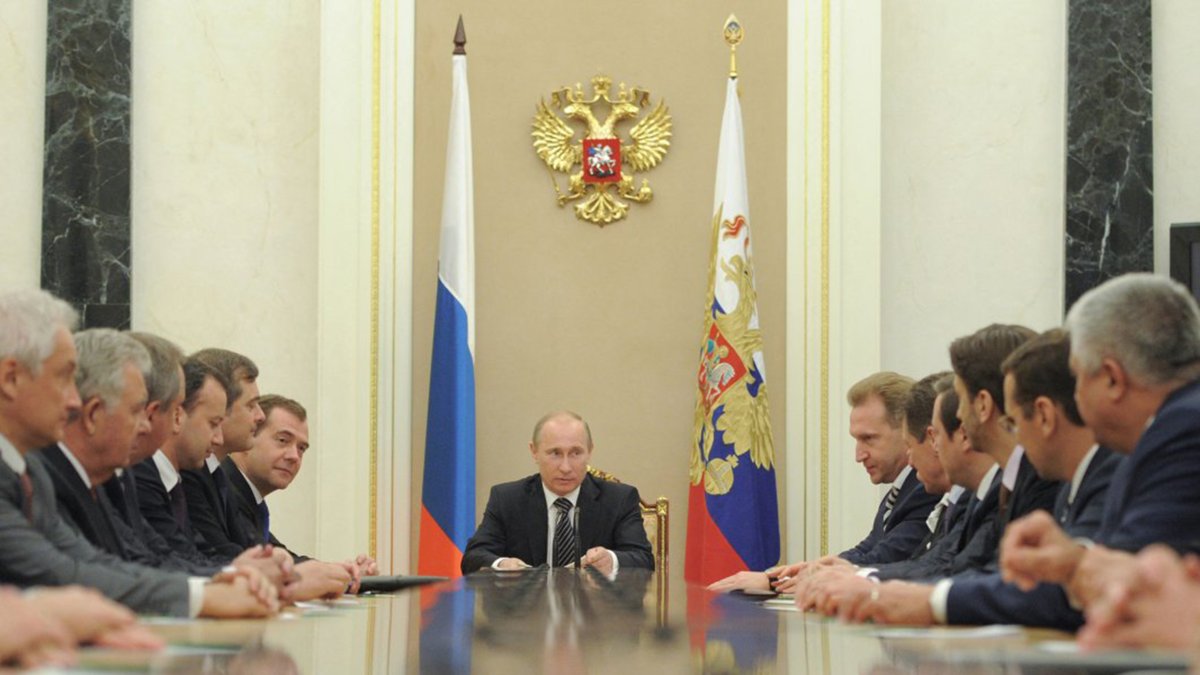
Recent developments have showcased a significant shift in international diplomacy, especially concerning Russia and Iran. The unexpected encounter between Russian President Vladimir Putin and Iranian adviser Ali Larijan marks a pivotal moment, emphasizing the importance of stability and political settlement in a volatile regional landscape. Such high-level interactions point towards strategic cooperation aimed at reinforcing diplomatic ties, enhancing regional stability, and fostering a collective approach to ongoing conflicts and nuclear negotiations.
The Context of Recent Diplomatic Movements
Over the past months, both Russia and Iran have been navigating complex diplomatic terrains involving Western sanctions, regional conflicts, and nuclear negotiations. The surprise meetings, as reported by sources such as the Times of India and others, highlight a deliberate effort from Moscow and Tehran to consolidate their positions and present a united front. These interactions are not isolated but part of a broader diplomatic initiative to foster stability and political settlement in the Middle East and beyond.
Key Highlights of the Meetings
- Putin’s Surprise Meeting with Ali Larijan: This meeting underscores a mutual desire to stabilize regional tensions and discuss ongoing political processes, emphasizing a strategic partnership that aligns with both nations’ long-term interests. The discussions reportedly centered around enhancing cooperation, addressing regional conflicts, and bolstering political stability.
- Engagement in Nuclear Talks: Putin also met with Iran’s top adviser to Supreme Leader Khamenei, Ali Larijani, showcasing an intensified focus on nuclear negotiations. Such high-level dialogues symbolize shared concerns over nuclear proliferation and the desire to prevent external pressures from destabilizing the regional balance.
- Regional and Global Implications: These engagements reflect an evolving geopolitical landscape where Russia and Iran are increasingly aligning their policies, resisting Western influence, and advocating for a political settlement to conflicts that have long hampered regional stability.
Implications for Regional Stability and Political Settlement
The significance of these meetings extends beyond bilateral ties, suggesting a strategic push towards greater regional stability. Both Russia and Iran have vested interests in maintaining influence over the Middle East’s volatile theater, particularly amid ongoing conflicts in Syria, Iraq, and Yemen.
Strategic Cooperation to Counterbalance External Pressures
By engaging in high-level talks, Russia and Iran aim to counterbalance Western sanctions and diplomatic pressures. The discussions also encompass mutual support regarding nuclear negotiations and efforts to prevent external interference in regional matters. Iran’s ongoing nuclear program remains a point of contention, but these diplomatic exchanges indicate a move towards diplomatic resolutions and stability rather than escalation.
Advancing Political Settlement in Conflict Zones
With active participation and dialogue, both nations aspire to facilitate political settlements in war-torn regions. Their combined influence could promote peace initiatives, diplomatic dialogues, and ceasefire agreements that benefit regional populations and restore stability.
Broader Geopolitical Significance
The meetings between Putin and Iranian advisers occur in a broader geopolitical context where both Russia and Iran seek to strengthen their influence amid shifting alliances. Their cooperation signals an intention to challenge Western dominance and foster multipolarity in global diplomacy.
Russia’s Geopolitical Strategy
Russia’s engagement with Iran also aligns with its overarching strategy to expand its influence in the Middle East, especially through involvement in Syria’s ongoing conflict. By fostering a strategic alliance with Iran, Russia aims to create a multipolar regional order that diminishes Western leverage.
Iran’s Positioning in the International Arena
Iran’s diplomatic efforts, including nuclear negotiations and regional alliances, are part of its broader strategy to secure its sovereignty and push back against economic sanctions. Collaborating with Russia enhances Iran’s leverage and underscores its commitment to achieving a political settlement that preserves its regional interests.
Consequences for Future Diplomacy and Conflict Resolution
The visible diplomatic engagement suggests a future where both Russia and Iran prioritize political solutions over military escalation in their respective regional conflicts. Such efforts may also influence international negotiations involving the US, EU, and other stakeholders.
Potential for Reshaping Middle East Dynamics
If sustained, these dialogues could shift the regional power balance, fostering more inclusive negotiations and peace initiatives. The emphasis on stability indicates a shared understanding that long-term peace can only be achieved through sustained political settlements, diplomatic negotiations, and regional cooperation.
Conclusion
In summary, Putin’s surprise meeting with Iranian adviser Ali Larijan signifies a concerted effort by Russia and Iran to emphasize stability and political settlement in an unstable region. These high-level interactions reflect their strategic intent to counter external pressures, promote regional peace, and assert their influence on the global stage. While challenges remain, the diplomatic signals sent through these meetings are promising indicators of a shift towards dialogue and stability that could reshape the geopolitical landscape in the years to come.
For more updated news please keep visiting Hourly Prime News.