

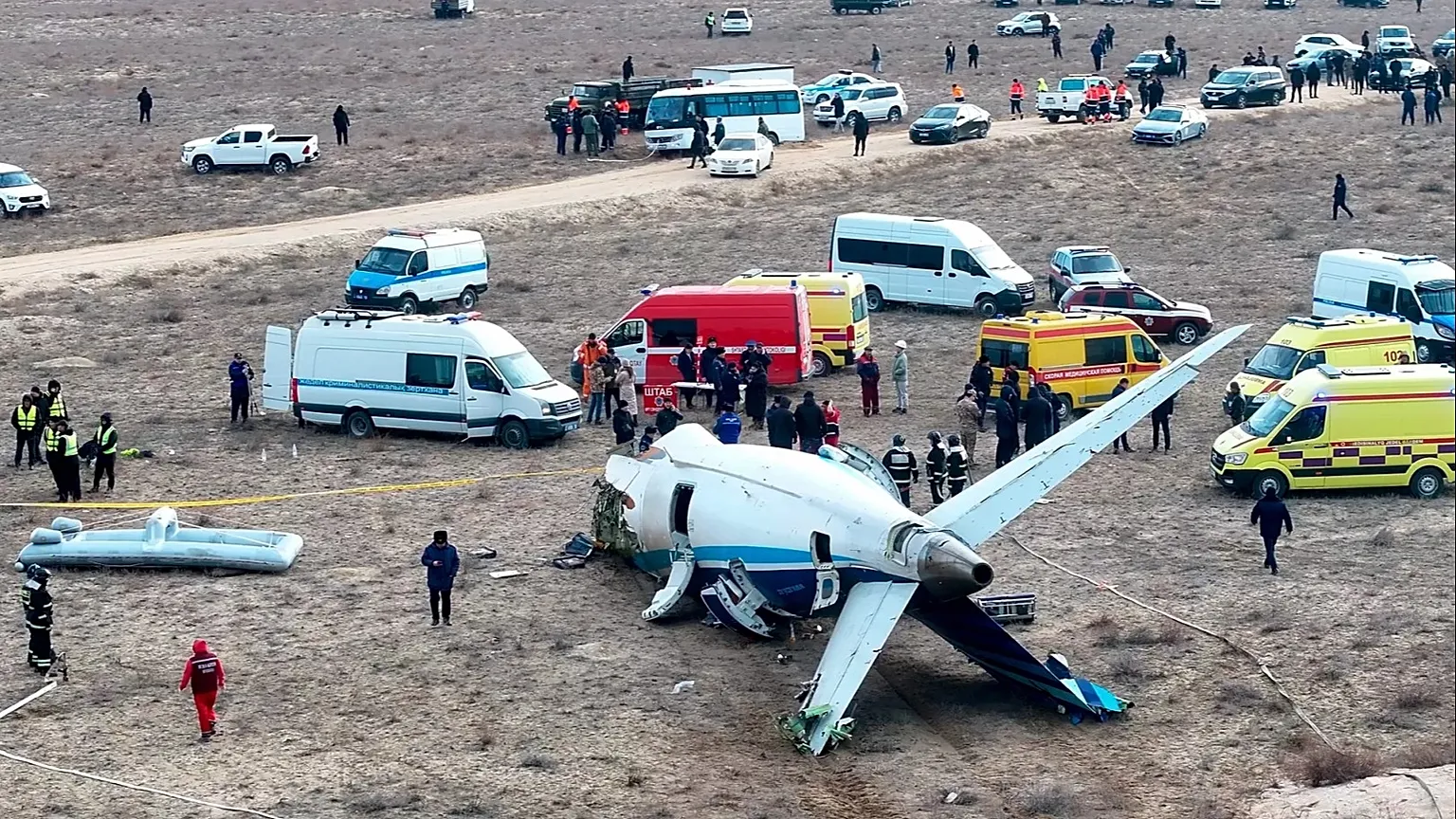
The geopolitical landscape of the South Caucasus region has been shaken dramatically with recent revelations involving Russia and Azerbaijan. The long-standing tensions and complex alliances have taken a stark turn as President Vladimir Putin publicly admitted Russia’s involvement in the tragic crash of an Azerbaijani passenger plane that resulted in the loss of 38 lives in 2024. This confession marks a pivotal moment, not only in regional politics but also in international diplomacy, igniting debates about accountability, military engagements, and the pursuit of justice.
The Incident: A Deadly Crash with Lingering Questions
The Azerbaijani plane crash in 2024 was one of the most devastating aviation disasters in recent history within the region. Eyewitness accounts and initial investigations pointed toward a series of missile strikes that downed the aircraft mid-flight. The tragedy prompted widespread mourning across Azerbaijan, with families of victims seeking answers and justice. For months, there was much speculation surrounding the cause—until Vladimir Putin’s unprecedented admission changed the narrative entirely.
Putin’s Admission of Russian Involvement
In a surprising revelation during a recent diplomatic interview, President Putin openly acknowledged that Russian forces had a role in the incident. According to sources from
Putin admitted that Russian forces inadvertently caused the crash by launching missile strikes that targeted a different strategic objective but mistakenly impacted the civilian aircraft. His statement emphasizes that Russia did not intentionally aim at the plane but recognizes the mishap as a grave error stemming from operational confusion during a tense military engagement.
Controversies and International Reactions
This confession triggered a wave of reactions around the world, with many demanding accountability from Russia and calls for an impartial investigation into the incident. Countries like Azerbaijan and neighboring states condemned Russia’s role, emphasizing the need for justice for the victims and their families. Diplomatic circuits buzzed with discussions over possible sanctions, reparations, and the implications for Russia’s regional foreign policy.
The Role of Military Operations and Defensive Systems
Further complicating the narrative are the details revealing that Russian missile defense systems, which were reportedly active in the region during that period, played a part in the incident. According to reports from
the misfire was linked to an error in missile tracking and targeting, which was elevated due to heightened military tensions and operation chaos. The incident underscores the dangers of military miscalculations and the importance of strict control over missile defense operations in conflict zones.
The Broader Geopolitical Implications
Putin’s confession has wide-reaching geopolitical consequences. It exposes vulnerabilities within Russia’s military intelligence and operational capabilities, raising questions about the safety and accountability of Russian military interventions abroad.
Moreover, the incident has also impacted Azerbaijan’s stance towards Russia, with calls for compensation and a revisiting of security arrangements. As Azerbaijan seeks justice and reassurances, regional powers are reevaluating their military and diplomatic strategies to prevent similar catastrophes in the future.
The Quest for Justice and What Comes Next
The Azerbaijani government has called for an independent investigation into the incident, emphasizing transparency and accountability. International organizations are urging Russia to offer comprehensive explanations and compensate the victims’ families. Diplomatic negotiations are expected to intensify, with potential shifts in alliances and military cooperation in the region.
The personal and national trauma caused by this disaster continues to reverberate, and the regional stability hangs in the balance as new details emerge from Russia. The world will be watching keenly to see how Russia handles its newfound responsibility and whether it will take concrete steps towards reconciliation and justice.
Conclusion: A Turning Point in Regional Diplomacy
Vladimir Putin’s admission marks a significant shift in the narrative of regional conflict and military accountability. It serves as a stark reminder of the volatility inherent in military engagements and the devastating impact of accidental strikes on civilian populations.
As investigations unfold and diplomatic efforts intensify, the incident becomes a case study on the importance of transparency, accountability, and the cautious use of military force. The tragedy of 2024 has underscored the urgent need for dialogue, restraint, and collaborative security measures in the volatile South Caucasus region.
For more updated news please keep visiting Hourly Prime News.