

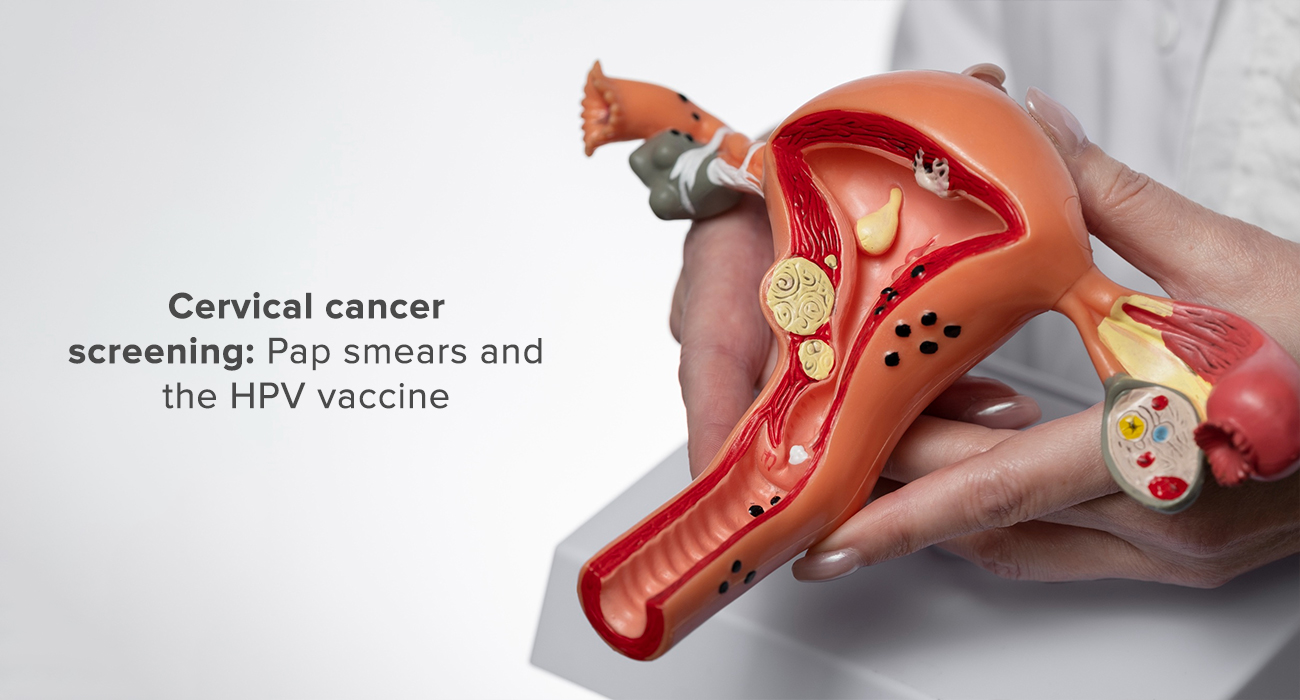
In recent decades, cervical cancer has remained one of the most significant health challenges faced by women globally. According to reports by health organizations and articles from reputable sources such as the Hindustan Times, the primary cause of cervical cancer is the persistent infection with certain types of human papillomavirus (HPV). This common virus affects a large portion of sexually active individuals, but not everyone develops the disease. However, for women, especially, the risk of developing cervical cancer is notably high if HPV infection is not detected and managed appropriately.
HPV vaccination has emerged as a revolutionary preventive measure that significantly reduces the risk of developing HPV-related cervical cancers. The vaccine works by stimulating the body’s immune response against the most common high-risk HPV strains that are responsible for approximately 70% of cervical cancers worldwide. Multiple health authorities, including the World Health Organization, endorse HPV vaccination as an essential public health intervention, especially for young girls and boys before they become sexually active.
Getting vaccinated not only protects the individual but also contributes to herd immunity by reducing the overall circulation of the virus in the community. Consequently, countries implementing widespread HPV vaccination programs have observed a decline in the incidence of HPV infections and precancerous cervical lesions.
The Critical Role of Regular Cervical Screenings
Early Detection Saves Lives
While vaccination is a robust tool in prevention, it is not a substitute for regular cervical screenings. Routine Pap smears and HPV testing are vital in detecting abnormal cervical cells or persistent HPV infections before they progress into cancer. Many women with early-stage cervical lesions are asymptomatic, which underscores the importance of regular screening as a proactive health measure.
Regular screenings can identify changes in cervical cells early enough for intervention, often through simple procedures like Pap tests or HPV DNA tests. These tests can pinpoint lesions in their initial stages, allowing for timely treatment that can prevent the development of invasive cancer.
Health authorities recommend that women begin cervical cancer screening at age 21 and continue at regular intervals based on their risk factors and test results. Public health campaigns have consistently emphasized that early detection through screening dramatically increases survival rates, with survival rates exceeding 90% when cervical cancer is diagnosed early.
Strategies to Eliminate Cervical Cancer
Global and National Efforts
Eliminating cervical cancer requires a multifaceted approach, including vaccination, screenings, and education. Several initiatives aim to achieve this goal by:
- Widespread vaccination campaigns targeting preadolescents and adolescents to immunize boys and girls before exposure to HPV.
- Regular screening programs accessible to women across different socio-economic backgrounds to facilitate early detection.
- Public awareness and education to dispel myths about HPV vaccines and screenings, and to increase participation rates.
The Hindu and other reputable outlets have reported ongoing efforts in multiple countries to implement these strategies, aiming to create a future where cervical cancer becomes a rare disease. The goal is ambitious but achievable with continued commitment and resource allocation.
Addressing Common Myths and Misconceptions
Despite strong scientific evidence supporting HPV vaccination and screening, myths continue to hinder progress. Common misconceptions include beliefs that vaccines can cause infertility or that screening procedures are painful or unnecessary. It’s crucial for healthcare providers and public health campaigns to provide factual information and reassure women about the safety and benefits of these interventions.
Eliminating cervical cancer is not solely about medicine and technology; it also involves addressing societal and cultural barriers. Empowering women with knowledge about their health rights and access to services is fundamental to achieving elimination goals.
The Impact of COVID-19 on Cervical Cancer Prevention
The pandemic has disrupted health services worldwide, including cervical cancer screening and HPV vaccination programs. As reported by sources like Medical Dialogues, these disruptions risk increasing the backlog of undiagnosed cases and missed vaccinations, potentially reversing recent gains in cervical cancer prevention. Moving forward, health systems must prioritize restoring and strengthening these programs to remain on track for elimination.
Implementing flexible strategies such as mobile clinics and telehealth consultations can help bridge gaps in service delivery during and after health crises.
Taking Responsibility: What Can You Do?
If you are a woman or caregiver:
- Get vaccinated against HPV if you are eligible. The vaccine is most effective when administered before exposure to the virus, ideally in early adolescence.
- Schedule regular cervical screenings according to your healthcare provider’s advice. Don’t wait for symptoms, as early changes are often asymptomatic.
- Stay informed about cervical cancer, its risk factors, and protection methods. Knowledge is power.
- Advocate for stronger health policies and community awareness programs to promote preventive health measures.
Taking these proactive steps can significantly reduce your risk and contribute toward the global goal of eliminating cervical cancer.
Conclusion
Protecting your health involves a combination of vaccination, regular screenings, and awareness. As the scientific community, health organizations, and governments work toward the ambitious goal of eradicating cervical cancer, individual actions remain vital. Vaccinations like HPV serve as powerful shields, while routine screenings act as vigilant guardians, catching potential problems early. With continuous effort and commitment, a future free from cervical cancer is within reach.
Remember, prevention is better than cure. Make informed choices today for a healthier tomorrow.
For more updated news please keep visiting Hourly Prime News.