

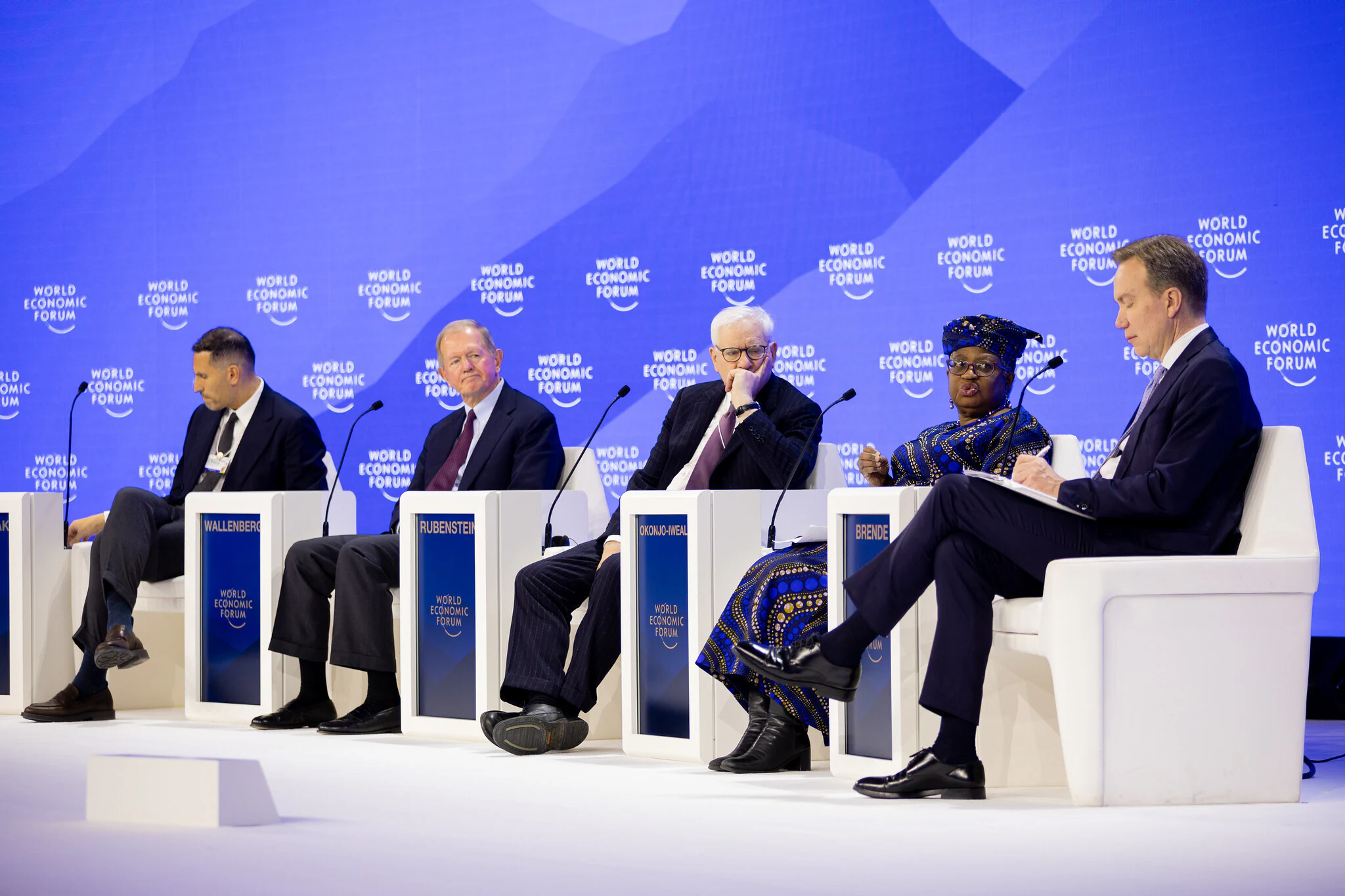
In recent discussions surrounding the global auto industry, Prof G has emerged as a vocal critic of tariffs and protectionist policies that many governments, including the United States under former President Donald Trump, have championed. His critique highlights a fundamental economic reality: tariffs, often justified as protective measures for domestic industries, frequently do more harm than good, ultimately undermining the very industry they aim to bolster. As tariffs increase, experts like Prof G argue, they inadvertently give away market dominance to other nations, exposing the vulnerabilities of protectionism.
Understanding the Core Criticism: Why Tariffs are Nonsense
The Economic Fallacy of Protectionism
Tariffs are essentially taxes imposed on imported goods, intended to make foreign products more expensive and thus less competitive compared to domestically produced alternatives. While this might seem beneficial in theory—protecting local jobs and industries—in practice, it is often counterproductive. Prof G dismisses these measures as “nonsense,” emphasizing that they distort the natural flow of trade and investment. Instead of fostering a sustainable, competitive environment, tariffs tend to foster complacency among domestic firms, reducing the incentives to innovate and improve efficiency—that is, they promote a false sense of security rather than genuine industry strength.
Protectionism and Market Shifts
The real-world consequence of protectionist policies, as Prof G suggests, is that they hasten the decline of national industry dominance by enabling rival countries to seize the opportunity to strengthen their own auto sectors. Countries like China, South Korea, and Germany have historically maintained aggressive export strategies and invested heavily in technological innovation. When tariffs restrict free trade, these nations often gain a competitive edge as their industries adapt more rapidly to global demands, benefiting from open markets while protected domestic industries stagnate.
Is Trump’s Protectionism Failing?
The Reality of the Trade Wars
During the Trump administration, tariffs became a prominent tool aimed at revitalizing the American auto industry and reducing dependency on foreign imports. However, as Prof G points out, these efforts seem to have produced more harm than good. Evidence suggests that tariffs have led to increased costs for automakers, disrupted global supply chains, and stifled innovation. Rather than fostering growth, the protectionist approach has contributed to a decline in manufacturer competitiveness, both domestically and internationally.
Furthermore, rising prices for consumers and reduced choice in the market have been undesirable side effects. Automakers faced with higher import duties often had to increase their prices, making vehicles less affordable for average consumers and diminishing overall industry vitality. This, in turn, impacts employment and economic growth in the sector, creating a vicious cycle that protectionism claims to rectify but often exacerbates.
The Global Auto Industry: Winners and Losers
Forces Reshaping Industry Dynamics
globalization has facilitated rapid advancements in automotive technology—electric vehicles, autonomous driving, and smart manufacturing processes. Countries that invest in research and foster open trade tend to lead innovation, whereas protectionist policies tend to hinder it. For instance, countries like Germany and Japan have maintained strong export-oriented auto sectors, benefiting from open markets and strategic international alliances.
- Japan’s robust manufacturing ecosystem has allowed it to stay competitive through quality and innovation.
- Germany’s emphasis on engineering excellence has cemented its industry dominance globally.
- China’s aggressive push into electric vehicle markets demonstrates how open markets and strategic support can accelerate industry leadership.
Meanwhile, the United States, under protectionist policies, has seen its auto industry struggle to keep pace with global competitors, resulting in missed opportunities for growth, innovation, and market share expansion.
Protectionism’s Long-Term Consequences
Beyond immediate economic impacts, protectionism discourages long-term strategic planning. When companies face tariffs and trade barriers, they are less inclined to invest in future technologies or develop new markets, which are vital for staying ahead in an increasingly competitive landscape. This state of economic self-sufficiency often leads to complacency, eroding industry leadership.
The Path Forward: Embracing Free Trade and Innovation
What Should be the Strategy?
Prof G advocates for a shift away from protectionist policies towards fostering innovation, improving competitiveness, and nurturing global partnerships. This approach involves:
- Reducing tariffs and trade barriers to enhance supply chain efficiency and lower costs.
- Encouraging public and private investment in research and development, especially in emerging fields like electric vehicles and autonomous systems.
- Forming strategic international alliances to share technology and expertise.
- Developing flexible manufacturing systems that can quickly adapt to changing global demands.
By adopting these strategies, countries can instead position their auto industries for sustainable growth and global leadership, rather than relying on protectionist crutches that ultimately weaken their market position.
Conclusion: The Future of the Auto Industry Lies in Openness
In essence, Prof G’s critique underscores a fundamental truth: protectionism, often justified as safeguarding jobs and industry, eventually stifles industry growth and erodes global competitive advantage. Instead of closing markets and imposing tariffs, policymakers and industry leaders should focus on innovation, efficiency, and open trade to secure long-term dominance.
As evidenced by the ongoing shifts in the global auto industry, embracing globalization and technological progress remains the most effective strategy to maintain and expand industry dominance. Countries that understand this principle are more likely to thrive in the future economic landscape.
Ultimately, protectionism’s failure is clear: it gives away market power to rivals, increases costs, and hampers innovation. The auto industry’s future lies not in tariffs but in technological leadership, strategic alliances, and open markets.
References
For more updated news please keep visiting Hourly Prime News.