

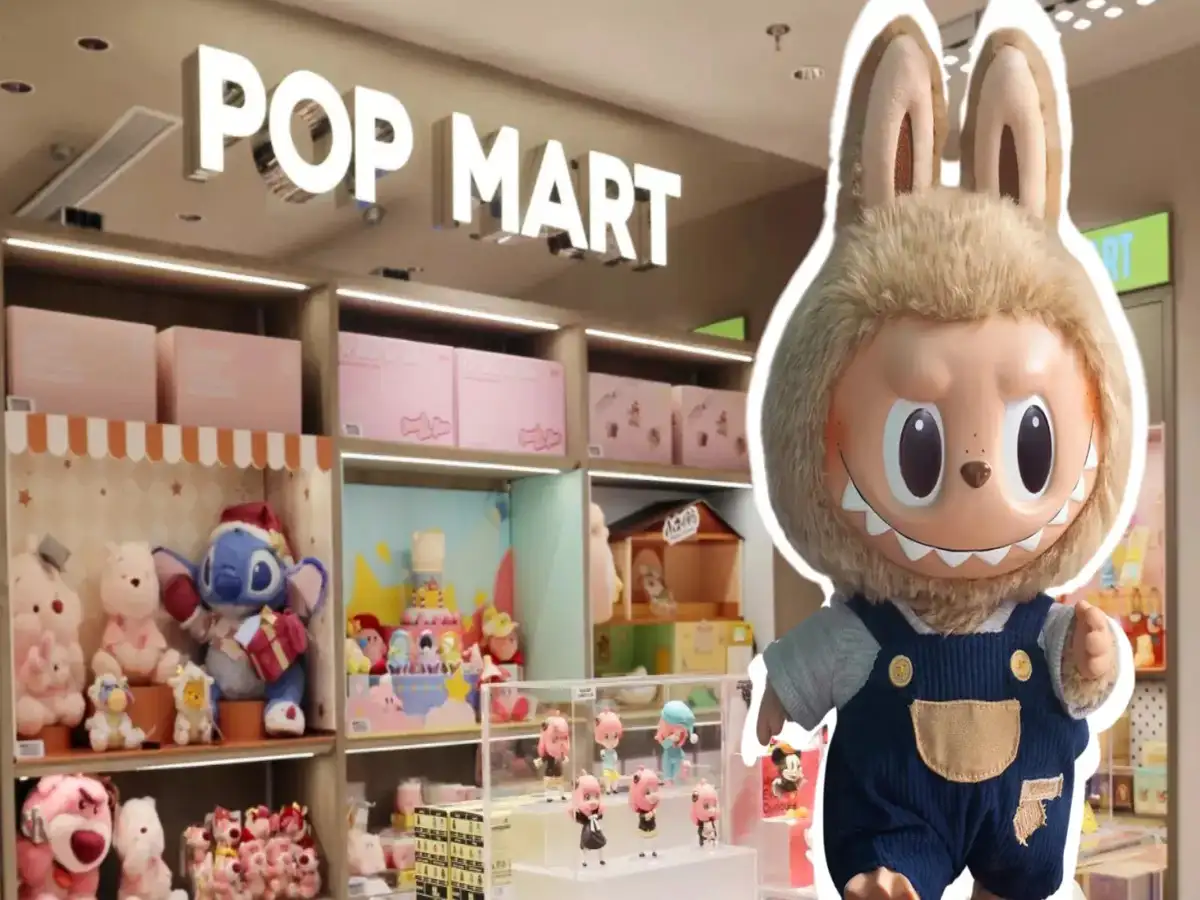
In recent years, Pop Mart captured the global attention with its innovative and highly collectible dolls. Among their most celebrated creations was the Labubu doll, which became a cultural phenomenon almost overnight. The doll’s quirky design, combined with effective marketing strategies, led to an unprecedented hype, turning Labubu into a must-have item for collectors and enthusiasts alike. This surge in popularity, fueled by social media buzz and aggressive sales campaigns, propelled Pop Mart to new heights, culminating in a market valuation that soared into the billions.
However, as with many trends driven by hype and consumer frenzy, the momentum was notably short-lived. Recent reports suggest a dramatic downturn in the company’s fortunes, with Pop Mart’s shares plummeting and an estimated $13 billion in value being wiped out within a short span. The diminishing interest in Labubu dolls mark a significant turning point not only for Pop Mart but also for the broader collectibles industry that had eagerly watched this success story unfold.
Market Dynamics and Investment Trends
Pop Mart’s stock performance reflects the volatile nature of the collectibles and toy markets. Once the darling of investors, the company’s share prices have now declined sharply, hinting at an erosion of confidence. This decline can largely be attributed to several interconnected factors:
- Hype Fatigue: The initial excitement around Labubu was fuelled by social media virality and limited editions, prompting a frenzy among collectors. But the market’s insatiable appetite for novelty proved unsustainable in the long term.
- Consumer Saturation: As the initial wave of demand subsided, many consumers and investors found themselves holding onto dolls that no longer held the allure they once did.
- Market Overvaluation: Pop Mart’s valuation, which at its peak stood as high as $13 billion, appears disconnected from its actual earnings and market fundamentals, creating a bubble that has now begun to burst.
- Competitive Pressures: Other brands and new entrants in the toy collectibles market have intensified competition, diluting Pop Mart’s market share and consumer interest.
Wang Ning and the Decline of the Labubu Empire
Central to this narrative is Wang Ning, founder of the company behind Labubu dolls. Recent estimates show that Wang Ning lost approximately ₹50,000 crore (roughly $6 billion USD) within a single month, a staggering figure that underscores the scale of the decline. His fall from grace symbolizes not just personal loss but also highlights how quickly fortunes can turn in markets driven by hype and speculation.
In the timeframe of a month, Wang Ning’s losses surpassed many investors’ expectations, effectively erasing years of accumulated wealth. This abrupt financial wipeout raises questions about the sustainability of companies that chase fleeting trends, often at the expense of fundamentals. The situation exemplifies the risks inherent in not just startups but also in the highly speculative segments of consumer markets.
Is Labubu Here To Stay? An Industry Perspective
Industry analysts and market experts are now questioning the longevity of the Labubu phenomenon. Many believe that the doll may be a victim of what some call “hype exhaustion”. The “hype cycle” is a well-documented phenomenon across various industries where initial excitement is high, followed by a phase of disillusionment once the novelty wears off.
According to reports from Bloomberg.com, there’s rising skepticism about whether Labubu dolls will retain their appeal in the long run. The durability of collectibles depends heavily on ongoing consumer engagement, brand loyalty, and the ability of creators to innovate continually. Without sustained novelty or evolutionary updates, even the most viral products can fade into obscurity.
Factors Contributing to the Decline
- Market Saturation: The proliferation of similar collectibles has flooded the market, making it difficult for Labubu to maintain its unique edge.
- Changing Consumer Preferences: Younger audiences, who once drove the hype, are shifting focus to newer trends, thereby reducing the demand for Labubu dolls.
- Financial Overreach: Aggressive marketing and rapid expansion without sufficient market validation have led to overstocking and financial strain.
- Media Narratives: As media outlets intensify coverage of losses and the fall of prominent figures like Wang Ning, public perception shifts from admiration to skepticism.
The Broader Implications for Startups and Investors
The collapse of Pop Mart’s Labubu hype serves as a cautionary tale for startups and investors alike. It underlines the importance of sustainable business models over hype-driven growth. Companies investing heavily in branding and limited-edition releases must also ensure they have solid fundamentals, including consistent revenue streams and genuine consumer engagement.
Investors are now wary, leaning towards more established companies with proven business models rather than speculative assets driven by trend cycles. The incident has sparked discussions about regulatory oversight, market valuation norms, and the need for prudent risk management in the venture capital ecosystem.
What’s Next for Pop Mart and the Collectible Market?
While the current scenario appears bleak, some industry watchers suggest this might be a temporary phase. Companies with strong innovation pipelines, adaptable product strategies, and authentic engagement strategies may still capture consumer attention in the future.
Pop Mart itself may need to pivot, perhaps by redefining its brand identity or diversifying its portfolio beyond a single product line. This could help rekindle interest and restore investor confidence.
On a macro level, the collectibles market must evolve with changing consumer tastes and technological integrations, such as augmented reality or digital collectibles, to remain relevant and sustainable.
Conclusion
The story of Pop Mart’s Labubu dolls encapsulates both the heights and pitfalls of trend-driven markets. While hype can propel a product to meteoric success, sustaining that success requires more than just fleeting attention. The significant financial losses and waning investor interest serve as a stark reminder of the inherent risks in such speculative ventures.
As the industry adapts to a post-hype era, companies will need to prioritize innovation, transparency, and consumer engagement to forge enduring success stories. For investors, due diligence and risk mitigation will be essential in navigating this rapidly changing landscape.
In the end, the Labubu phenomenon offers valuable insights into market dynamics, consumer behavior, and the importance of sustainable growth in the era of rapid digital and social media influence.
For more updated news please keep visiting Hourly Prime News.