

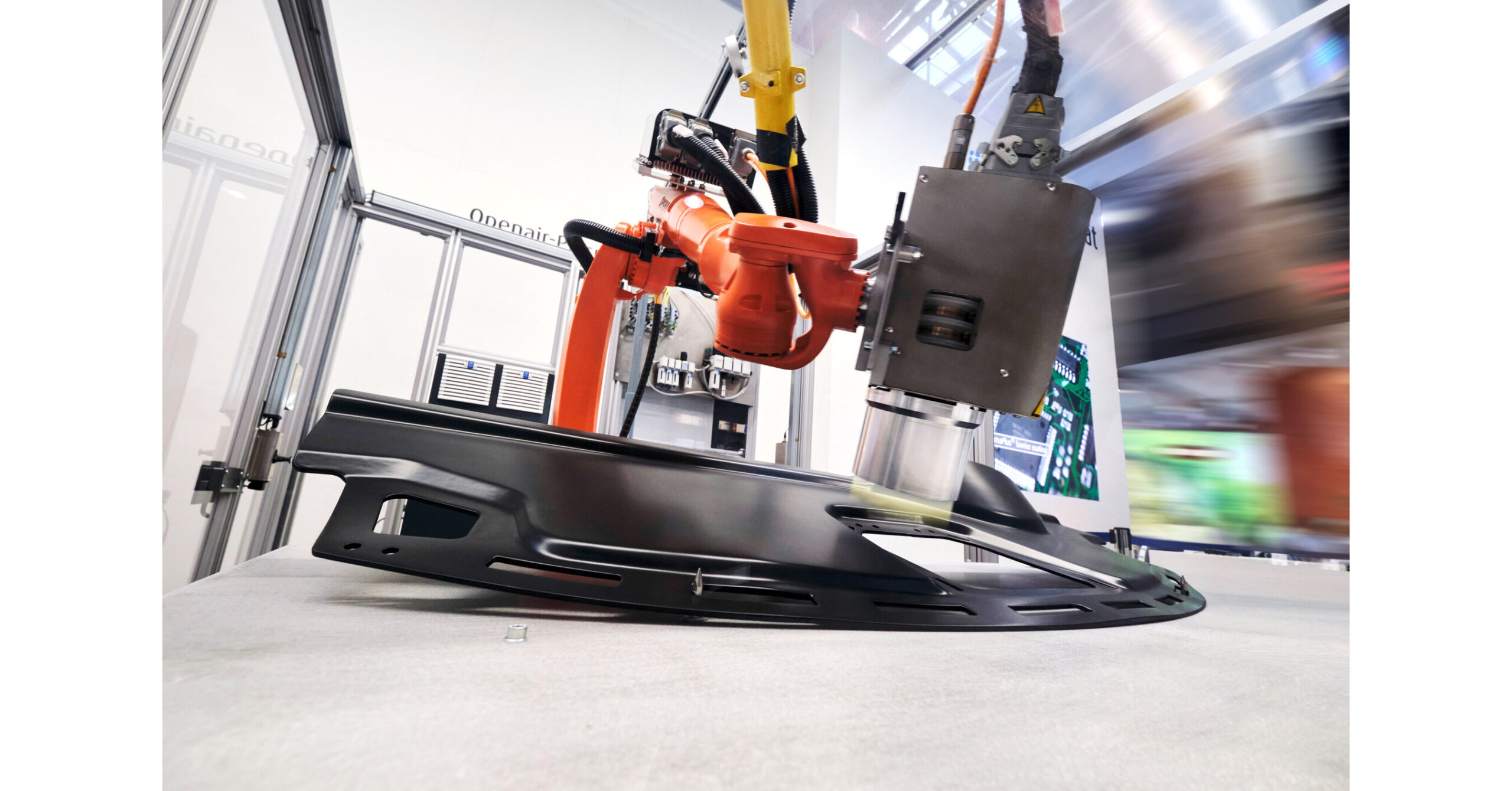
The automotive industry is in a constant state of evolution, driven by the dual imperatives of delivering superior quality and achieving greater sustainability. As vehicle manufacturing becomes increasingly complex, innovative technologies are becoming vital to meet these demands. Among these innovations, Plasmatreat GmbH’s pioneering plasma technology is emerging as a game-changer, offering significant advantages in both quality enhancement and environmental sustainability. This blog explores how plasma technology supported by Plasmatreat contributes to future-proofing automotive manufacturing processes, elevating product standards, and fostering eco-friendly practices.
The Role of Plasma Technology in the Automotive Industry
Understanding Plasma Technology
Plasma technology involves the use of highly energized ionized gases—known as plasma—to modify and treat surfaces. Unlike conventional methods, plasma treatments are non-chemical, dry, and environmentally friendly, providing precise control over surface properties. The core of Plasmatreat’s innovation lies in generating cold atmospheric pressure plasma, which is capable of modifying diverse materials without damaging their integrity.
Applications in Automotive Manufacturing
The scope of plasma technology in automotive manufacturing is broad. It is particularly effective in:
- Enhancing the adhesion of paints, coatings, and adhesives
- Preparing surfaces for better bonding and paint quality
- Cleaning and removing contaminants from metal and plastic parts
- Modifying surface energy to improve wettability
These applications help manufacturers achieve more durable finishes, reduce material waste, and streamline assembly lines, all of which translate to superior vehicle quality and a smaller environmental footprint.
Benefits of Plasma Technology for Automotive Quality
Improved Surface Performance
One of the primary benefits of plasma treatment is its ability to significantly improve the surface energy of materials. This enhancement promotes better adhesion of paints, coatings, and sealants, leading to a more uniform and long-lasting finish. Vehicles treated with plasma exhibit fewer issues related to delamination, peeling, or corrosion over time, thereby extending their lifespan and maintaining aesthetic appeal.
Consistency and Precision
Plasma processes are highly controllable, offering consistent results across large production volumes. Manufacturers benefit from increased process reliability, reduced defects, and minimized rework, ensuring that every vehicle leaving the assembly line meets stringent quality standards.
Reduction of Chemical Usage
Traditional surface preparation often relies on chemical solvents and cleaners, which pose environmental and health hazards. Plasma technology eliminates or significantly reduces the need for these chemicals, leading to safer working conditions and less hazardous waste, aligning with the automotive sector’s sustainability goals.
Sustainable Advantages of Plasma Technology
Environmental Impact Reduction
The automotive industry is under increasing pressure to lower its ecological footprint. Plasma treatment aligns perfectly with this mandate by offering an eco-friendly alternative to conventional surface preparation methods. Since plasma processes are solvent-free, they produce no volatile organic compounds (VOCs), significantly reducing air pollution and health risks.
Energy Efficiency and Waste Minimization
Compared to traditional painting and cleaning processes, plasma treatment requires less energy and generates minimal waste. This efficiency not only decreases operational costs but also contributes toward achieving sustainability certifications and corporate responsibility objectives.
Compatibility with Lightweight Materials and Advanced Coatings
Modern vehicles are increasingly incorporating lightweight composites, plastics, and advanced coatings to improve fuel efficiency and safety. Plasma technology is highly adaptable, capable of treating even delicate materials without degradation, thereby supporting the integration of innovative materials in vehicle design.
Case Studies and Industry Impact
Real-World Implementations
Leading automotive manufacturers around the globe have integrated Plasmatreat’s plasma technology into their production lines. For example, carmakers have reported improved paint adhesion and reduced defect rates by adopting plasma surface preparation. Additionally, some companies have successfully replaced multiple chemical cleaning steps with a single plasma treatment, drastically reducing their chemical consumption and waste production.
Future Outlook
The trajectory of plasma technology in the automotive sector is promising. As automakers strive for greener manufacturing practices and higher quality standards, innovative solutions like Plasmatreat’s plasma systems are expected to become industry benchmarks. Continuous advancements, including automation and integration with other smart manufacturing tools, will further enhance the role of plasma in creating sustainable and high-quality vehicles.
Concluding Remarks
Plasmatreat’s plasma technology stands out as a key enabler in transforming automotive manufacturing into a cleaner, greener, and more efficient process. By delivering enhanced surface adhesion, reducing reliance on harmful chemicals, and supporting the use of innovative materials, plasma treatment aligns with the industry’s goals of improving vehicle quality while minimizing environmental impact. As the industry continues to evolve, embracing such advanced technologies will be crucial for manufacturers aiming to stay competitive and environmentally responsible.
In sum, plasma technology supported by Plasmatreat GmbH is not just a tool for surface finishing; it is a strategic asset in the quest for automotive excellence and sustainability. Forward-looking manufacturers should consider integrating this versatile technology to achieve superior product quality and demonstrate commitment toward a sustainable future.
For more updated news please keep visiting Hourly Prime News.