

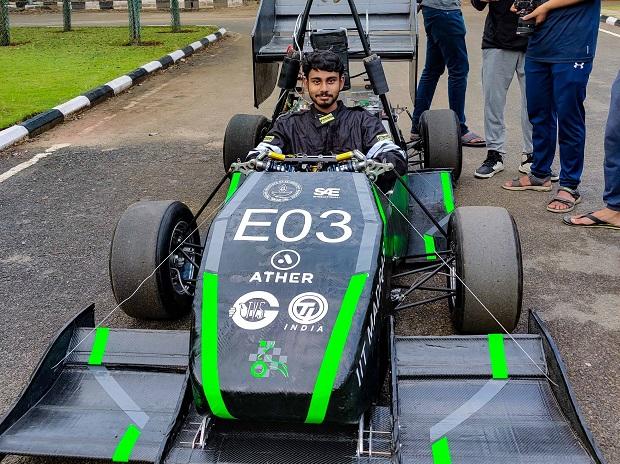
The future of motor racing is set to revolutionize with a groundbreaking project initiated by CSM Tech and the Indian Institute of Technology Madras (IIT-M). Their ambitious goal to create the world’s fastest autonomously-driven electric race car by 2025 not only highlights technological advancement but also sets a new standard for sustainability in racing.
A Vision for the Future
With the world rapidly embracing autonomous and electric vehicle technologies, the collaboration between CSM Tech and IIT-M is timely. This project represents a significant stride toward eco-friendly innovations in motorsports, blending cutting-edge technology with sustainable practices.
Unleashing Technological Excellence
The creation of this vehicle is no small feat and involves a multitude of advancements. Here are the key technological aspects:
- Artificial Intelligence (AI) Integration: AI will be at the core, enhancing decision-making capabilities without human intervention.
- Advanced Sensors and Lasers: Critical for navigation and real-time data analysis.
- High-Efficiency Electric Motors: These will provide the necessary power while maintaining sustainability.
- State-of-the-art Aerodynamics: Designed to minimize drag and maximize speed and efficiency.
The Role of CSM Tech
Known for its prowess in technology solutions, CSM Tech brings its expertise in integrating complex systems and developing data-driven applications. By leveraging its resources, CSM Tech aims to push the boundaries of what is possible in autonomous driving technology.
The Expertise of IIT Madras
IIT-M’s role cannot be overstated. As a leading institution in technological research and innovation, IIT-M provides essential insights and academic expertise required for this ambitious project. Their involvement ensures a robust research foundation and cutting-edge innovation.
Environmental Impact and Sustainability
In addition to technological advancements, the project emphasizes an environmentally-friendly approach to racing:
- Zero Emissions: As an electric vehicle, it contributes to reducing the carbon footprint of racing.
- Promoting Clean Energy: The use of sustainable energy sources will be prioritized during development.
- Encouraging Green Innovations: This project will inspire similar initiatives in various sectors.
Anticipated Challenges
Despite potential, the project faces several challenges:
- Technological Hurdles: Developing AI that can match or surpass human reflexes in real-time scenarios.
- Infrastructure Requirements: The need for sophisticated testing facilities and race tracks suited for autonomous systems.
- Regulatory Standards: Navigating the regulatory landscape for autonomous vehicles in motorsport.
The Global Implications
This venture has significant implications worldwide. It demonstrates a shift in how racing is perceived, moving from a focus on raw mechanical power to efficiency and technology. It also encourages other institutions and companies globally to explore similar collaborations, potentially hastening the transition to sustainable racing.
Conclusion
The journey undertaken by CSM Tech and IIT-M to build the world’s fastest autonomously-driven electric race car is a monumental step towards futuristic racing. By blending advanced technology with environmental consciousness, they are not just creating a vehicle, but setting a benchmark for the industry.
As we look forward to 2025, the realization of this project will undoubtedly inspire innovation and reshape perspectives on what is possible in motorsport and beyond.