

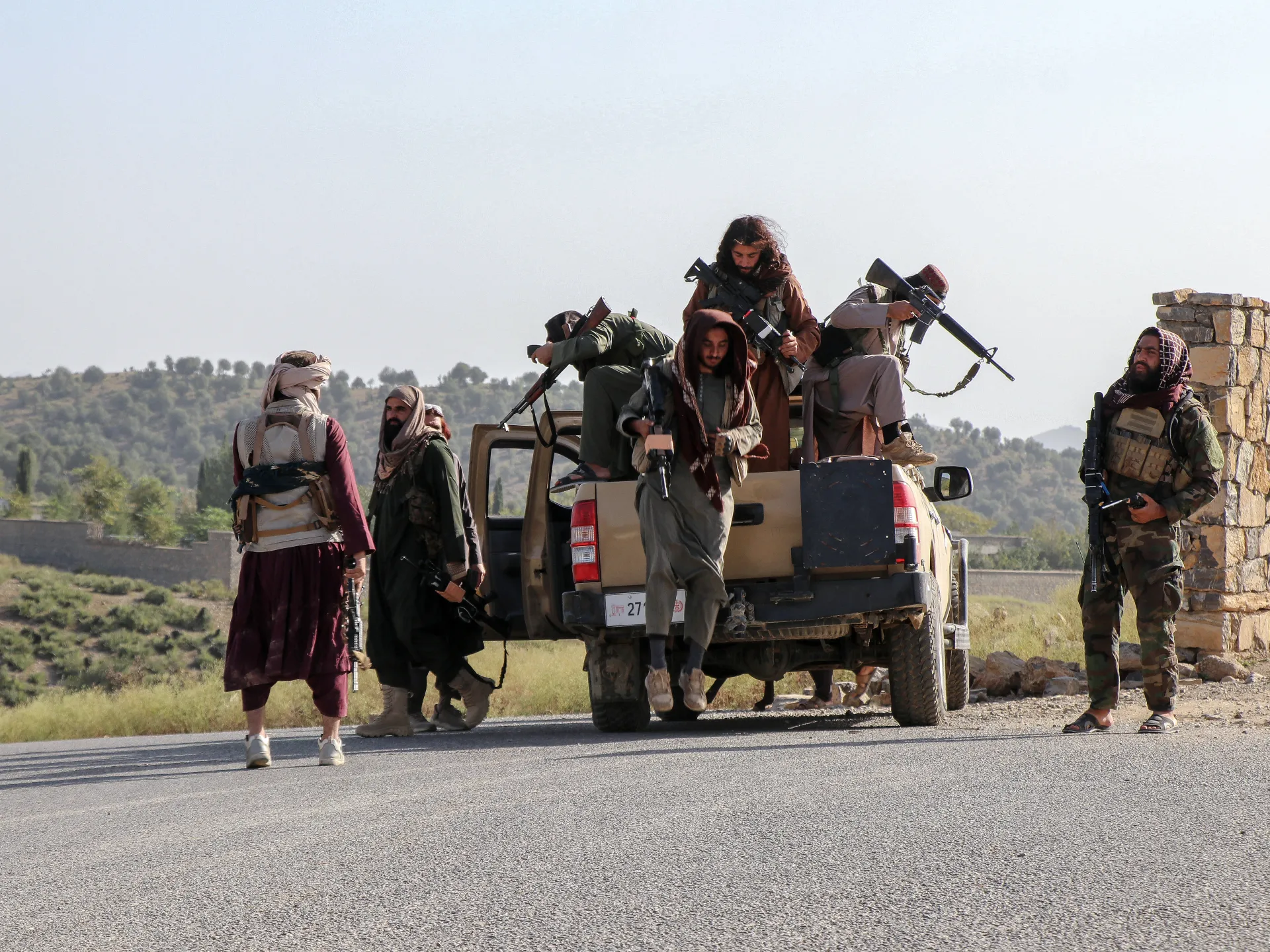
The recent escalation along the Afghanistan-Pakistan border has once again brought to the forefront the fragile and volatile nature of the regional security dynamics. With reports of renewed clashes between Pakistani forces and the Afghan Taliban, tensions have surged significantly, prompting strong military responses from Pakistan. This ongoing conflict underscores not only the deep-rooted border issues but also the complex political and strategic factors influencing the region.
Background of Border Tensions
The Durand Line, established during the colonial era, has long been a source of dispute between Afghanistan and Pakistan. While Pakistan considers it a vital border, Afghanistan has historically rejected its legitimacy, leading to persistent tensions and occasional clashes. The emergence and consolidation of Taliban control in Afghanistan has further exacerbated these issues, creating a security vacuum along the border and intensifying cross-border insurgent activities.
Recent Clashes and Military Actions
Renewed Clashes Emerge
The recent flare-up of violence was triggered by a series of border incursions and targeted attacks by Afghan Taliban forces against Pakistani military posts. Visual evidence and reports from visual reports by The Times of India depict tanks and military posts destroyed in the exchanges. These clashes resulted in significant material damage and casualties on both sides, highlighting the volatile nature of border security in this region.
Pakistan’s Military Response
In response to the border attacks, Pakistan has conducted targeted airstrikes and mobilized ground forces to secure its borders. The Pakistani military asserts that it acted in self-defense and to prevent further infiltration by militants seeking to destabilize the region. Official statements emphasize the importance of maintaining sovereignty and regional stability amid these confrontations. Reports from The Hindu’s report provides detailed insights into recent military operations and border security measures undertaken by Pakistan.
Regional and International Implications
The escalation of border conflicts between Pakistan and Taliban-controlled Afghanistan has significant regional implications. The international community, including neighboring countries and major powers, are closely monitoring these developments. Stability in this tumultuous border region is crucial for counter-terrorism efforts, peace prospects, and economic stability.
Furthermore, experts warn that the ongoing clashes could destabilize Afghanistan further, potentially fostering an environment conducive for terrorist activities and insurgent resurgence. Pakistan’s security challenges are compounded by cross-border terrorism, disrupting regional peace and economic progress.
Historical Context and Future Outlook
Historically, border clashes have characterized the Pakistan-Afghanistan relationship, often driven by mutual mistrust, external influence, and internal political instability. The recent border violence seems to be a continuation of this pattern, although the scale and intensity have become more pronounced.
In the coming days, diplomatic efforts are expected to increase, with regional actors seeking to de-escalate tensions and establish mechanisms to prevent such conflicts. Yet, the situation remains precarious, with the potential for further escalation if underlying issues are not addressed.
As both sides reinforce their military positions, both regional stability and diplomatic solutions hinge on the willingness of all parties to engage in constructive dialogue and adhere to international norms.
Conclusion
The recent series of clashes between Pakistan forces and Afghan Taliban forces underscores the complex security dynamics along the Durand Line. The response from Pakistan reflects a firm stance on defending sovereignty and maintaining regional stability. However, lasting peace in this area remains elusive, given the historical grievances and ongoing geopolitical influences.
It is imperative that regional and international stakeholders work collectively to mitigate tensions, promote dialogue, and seek sustainable solutions to border disputes. The path toward peace requires patience, strategic diplomacy, and a genuine commitment to stability by all involved parties.
For more updated news please keep visiting Hourly Prime News.