

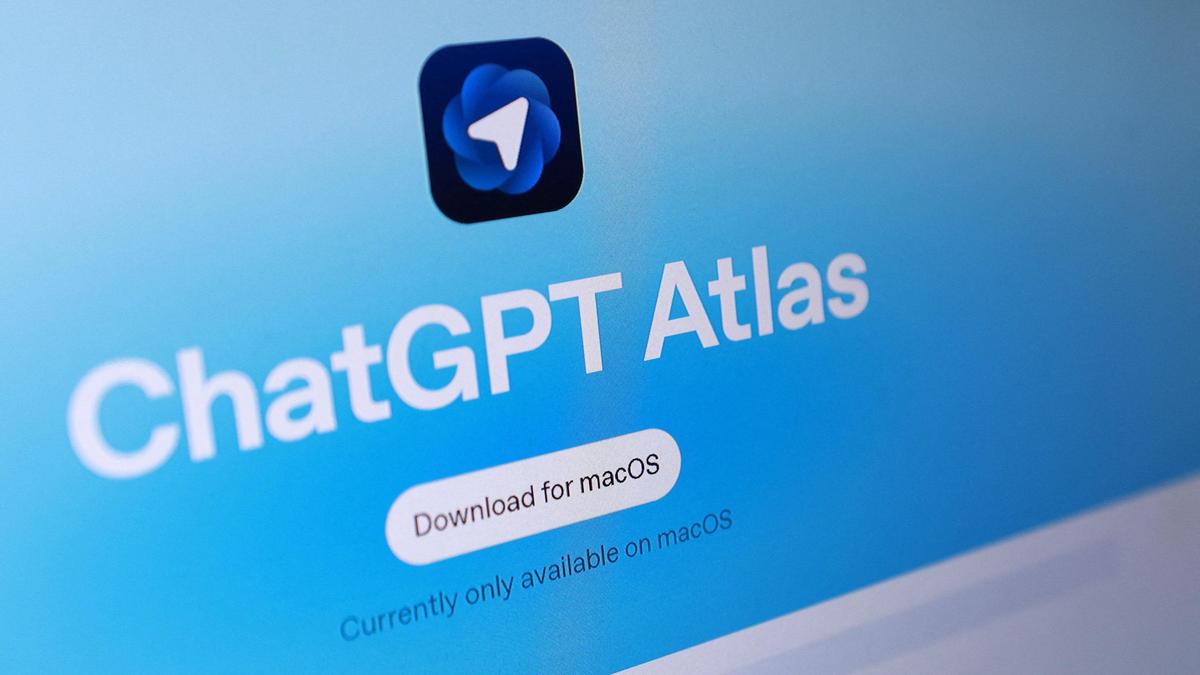
The technology landscape is witnessing a transformative shift as OpenAI, a pioneer in artificial intelligence, has taken a bold step forward by launching its latest AI-powered web browser, Atlas. This strategic move signals a direct challenge to Google’s dominant hold over the web browsing and search engine markets. The advent of Atlas signifies not just an upgraded browsing experience but also a calculated effort by OpenAI to redefine how users access and interact with information online.
The Genesis of Atlas: A New Contender in the Browser Arena
OpenAI’s entry into the browser space with Atlas marks a significant turning point, especially given Google’s entrenched position with Chrome, which commands a substantial portion of global browser usage. The The Hindu reports that Atlas leverages advanced AI capabilities to offer smarter and more personalized browsing experiences, standing in contrast to traditional methods that rely primarily on keyword searches.
What Sets Atlas Apart from Conventional Browsers?
Unlike typical browsers that function merely as gateways to the internet, Atlas integrates artificial intelligence directly into its core, providing users with contextual assistance, summarizations, and even proactive suggestions. Here are some of the key features that make Atlas stand out:
- AI-Enhanced Search and Navigation: Atlas not only retrieves information but also analyzes content contextually, providing summaries and relevant insights without requiring users to dig through multiple pages.
- Conversational Interface: With embedded ChatGPT capabilities, the browser allows users to interact via natural language commands, asking questions or requesting specific data effortlessly.
- Personalized User Experience: The browser adapts to individual user preferences, learning from browsing habits to deliver tailored content and suggestions.
- Seamless Integration with OpenAI Ecosystem: Users can easily utilize other OpenAI tools, such as ChatGPT, directly within the browsing environment for tasks like content creation, research, or troubleshooting.
- Security and Privacy Focus: OpenAI emphasizes safeguarding user data, incorporating robust privacy protocols to ensure that AI enhancements do not compromise security.
The Strategic Significance of Atlas in the Global Market
The launch of Atlas underscores a strategic vision by OpenAI to break into a market long dominated by Google. Google’s Chrome, with its integration with ChromeOS and dominance in search, has been the preferred choice for billions. However, this move by OpenAI signifies a recognition that the future of browsing lies in AI-enhanced, intelligent interfaces that elevate user engagement beyond traditional search paradigms.
By integrating ChatGPT within Atlas, OpenAI aims to create a holistic browsing experience that minimizes the need for multiple tools or searches, streamlining navigation and discovery. This approach could potentially attract not just AI enthusiasts and tech-savvy users but also everyday consumers seeking smarter browsing tools.
Challenges and Opportunities for OpenAI’s Atlas
While the prospects are promising, Atlas faces several hurdles:
- Market Entrenchedness of Google: Google Chrome’s vast user base and deep integration with services like Gmail, YouTube, and Google Drive make it difficult for new entrants to displace it.
- User Adoption and Trust: Convincing users to switch from familiar, trusted browsers requires compelling value propositions and seamless transition options.
- Data Privacy Concerns: As Atlas handles more personalized information through AI, it must address concerns related to data security and privacy to gain widespread acceptance.
On the other hand, opportunities abound:
- Early Mover Advantage: Establishing itself as an innovative AI browser early could position OpenAI as a leader in the next-generation browsing experience.
- Partnerships and Integrations: Collaborations with content providers, enterprise solutions, and device manufacturers could broaden Atlas’s reach.
- Enhanced User Engagement: Smart AI features can increase user interaction times, unlocking new monetization avenues.
Broader Impacts on the Tech Ecosystem
The introduction of Atlas reflects a broader trend in the tech industry—moving towards AI-powered ecosystems that seamlessly integrate browsing, search, and content creation. As OpenAI challenges the status quo, it sparks competitive innovation, prompting competitors like Google to enhance their offerings or rethink their strategies.
This development aligns with the ongoing shift toward personalized, intelligent computing experiences that anticipate user needs and provide proactive solutions. The browser, once a simple tool for navigating the internet, is now evolving into an AI co-pilot, guiding users through vast information landscapes efficiently.
What Next? The Future of AI-Powered Browsing
As Atlas rolls out, the industry will be watching closely. Success will depend on how well OpenAI can execute the integration of AI into everyday browsing and whether users find sufficient value to switch from their established habits. The future promises not just smarter browsers but potentially a paradigm shift in how humanity interacts with digital content.
OpenAI’s foray into AI-enabled browsing marks a pivotal moment, highlighting the convergence of artificial intelligence and core internet utilities. If successful, Atlas could become a catalyst, inspiring other tech giants to innovate and adopt AI-driven features throughout their products.
Conclusion
The launch of Atlas is more than just a new product; it is a statement of intent from OpenAI. By challenging Google’s market dominance with an AI-integrated browser, OpenAI demonstrates its commitment to revolutionizing user interaction with the web. This strategic move not only opens new avenues for AI in everyday technology but also reshapes competitive dynamics across the tech industry.
As the digital landscape evolves, AI-powered tools like Atlas could become essential components of our online experience, offering smarter, faster, and more intuitive ways to navigate the internet.
For more updated news please keep visiting Hourly Prime News.