

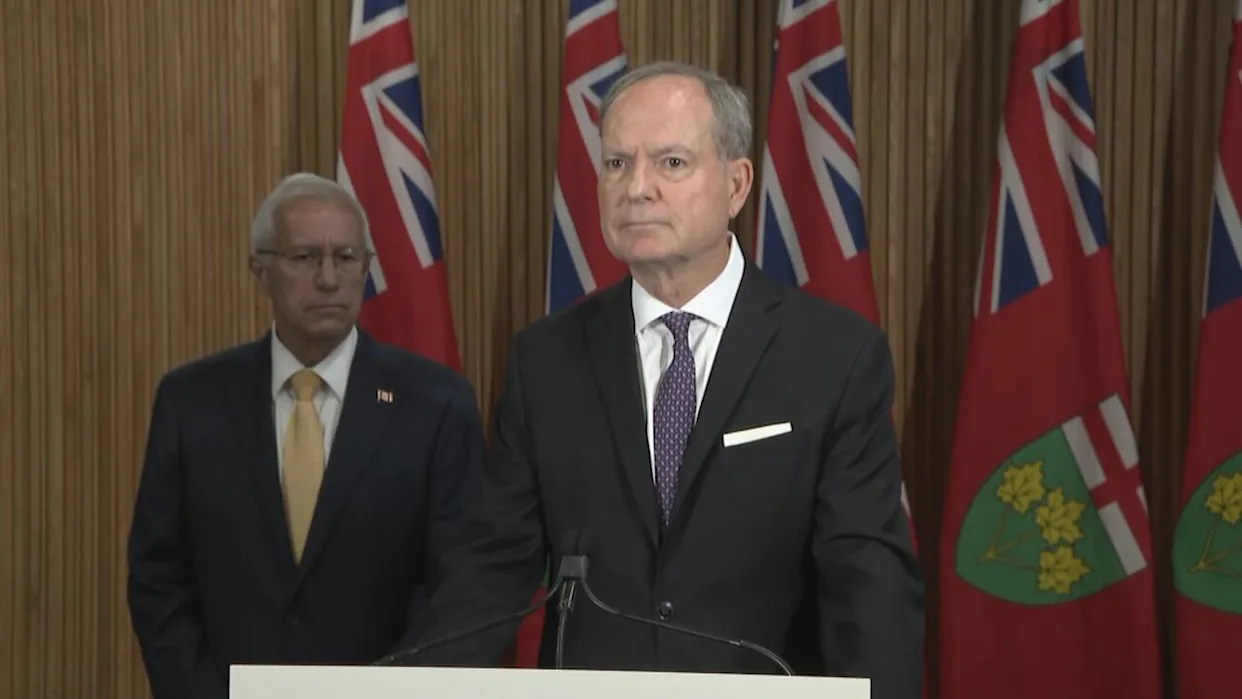
In a significant move aimed at safeguarding the interests of local businesses, the Ontario government has announced the launch of a comprehensive support program designed specifically for enterprises impacted by recent U.S. tariffs. This initiative underscores the province’s commitment to fostering economic resilience amid ongoing international trade tensions and highlights a proactive approach to mitigating adverse effects on its vibrant business community.
Understanding the Context: U.S. Tariffs and Their Impact on Ontario Businesses
The trade landscape between Canada and the United States has always been dynamic, but recent developments have introduced new challenges for industries in Ontario. The implementation of tariffs by the U.S. government on certain imports has created significant hurdles for Ontario-based companies that rely heavily on cross-border trade. These tariffs have increased costs, disrupted supply chains, and created uncertainty in the marketplace.
Many businesses, especially those involved in manufacturing, technology, and agriculture, have faced increased expenses and reduced competitiveness due to the tariffs. Small and medium-sized enterprises (SMEs), which form the backbone of Ontario’s economy, are particularly vulnerable. Recognizing these challenges, the government has stepped forward with targeted support measures aimed at cushioning the blow.
The Ontario Support Program: Goals and Components
Primary Objectives
- Alleviate Financial Burden: Help businesses offset the increased costs resulting from U.S. tariffs.
- Maintain Competitiveness: Enable Ontario companies to continue competing effectively in both domestic and international markets.
- Support Innovation and Growth: Foster a resilient business environment adaptable to evolving trade circumstances.
Key Features of the Program
The support initiative encompasses a range of measures designed to address diverse needs within the business sector. These include:
- Direct Financial Assistance: Grants and subsidies aimed at covering a portion of the tariffs paid or anticipated costs.
- Low-Interest Loans: Facilitation of affordable financing options to help businesses manage cash flow disruptions.
- Tax Relief and Incentives: Temporary reductions or deferrals on certain provincial taxes to ease financial pressures.
- Export Assistance Programs: Support for businesses looking to diversify markets or strengthen export activities outside of the U.S.
- Advisory and Consulting Services: Providing expert guidance on navigating trade policies, optimizing supply chains, and risk management.
Implementation and Accessibility
The government has emphasized transparency and ease of access in deploying this support. Businesses can apply through a dedicated online portal, which ensures streamlined processing and prompt disbursement of funds. Specific eligibility criteria are designed to prioritize companies most affected, including metrics such as revenue loss, reliance on imports affected by tariffs, and size of the enterprise.
Furthermore, a series of informational webinars and consultation sessions are scheduled to help firms understand the available resources and how to maximize benefits. The program also includes regional outreach initiatives to ensure even small and rural businesses are aware of and can access the support measures.
Broader Economic and Policy Implications
This initiative by Ontario reflects a broader trend among provincial governments across Canada seeking to cushion the impact of international trade disputes. It demonstrates a recognition that local economies are deeply intertwined with global politics and that proactive measures are necessary to preserve economic stability.
The program also highlights the importance of diversification—both in markets and supply sources—as a strategic approach to reducing vulnerability. Businesses are encouraged to explore new trading partners, develop innovative products, and improve supply chain resilience.
Collaboration and Future Outlook
While the support program is a pivotal step, Ontario’s government continues to advocate for constructive dialogue at the federal level and international trade negotiations. The goal remains to address the root causes of tariffs and work toward sustainable trade agreements that benefit all stakeholders.
Industry leaders, chambers of commerce, and trade associations have expressed optimism about the program’s potential to stabilize the business environment. Many see it as an opportunity to reinforce local manufacturing, foster innovation, and bolster job creation in the province.
Case Studies: How Businesses Are Benefiting
Several local enterprises have already begun to see the tangible benefits of the support program. For instance:
- Manufacturing Firm A: Utilizing grants to offset tariff-related costs and investing in technology upgrades to enhance efficiency.
- Agricultural Business B: Accessing export assistance programs to expand into new markets outside of the U.S., reducing dependence on volatile trade relations.
- Tech Startup C: Taking advantage of low-interest loans to scale operations despite increased input costs.
These examples illustrate the diversity of applications and the potential for the program to act as a lifeline during turbulent trade periods.
Moving Forward: Building a Resilient Ontario Economy
The launch of this support initiative marks a strategic effort to build an economy capable of weathering international uncertainties. As global trade continues to evolve, Ontario is positioning itself as a proactive leader, providing businesses with the tools and resources they need to adapt and thrive.
While challenges posed by U.S. tariffs cannot be eliminated overnight, collective resilience and strategic policy measures like this support program can significantly mitigate their impact. The emphasis on innovation, diversification, and ongoing dialogue exemplifies a forward-looking approach that aims to secure Ontario’s economic future.
Conclusion
Ontario’s new support program is a commendable response to the economic disruptions caused by U.S. tariffs. By offering financial assistance, advisory services, and strategic incentives, the province demonstrates a firm commitment to its business community’s stability and growth. As this initiative unfolds, it is expected to serve as a vital catalyst for resilience, innovation, and sustainable economic development in Ontario.
For more updated news please keep visiting Hourly Prime News.