

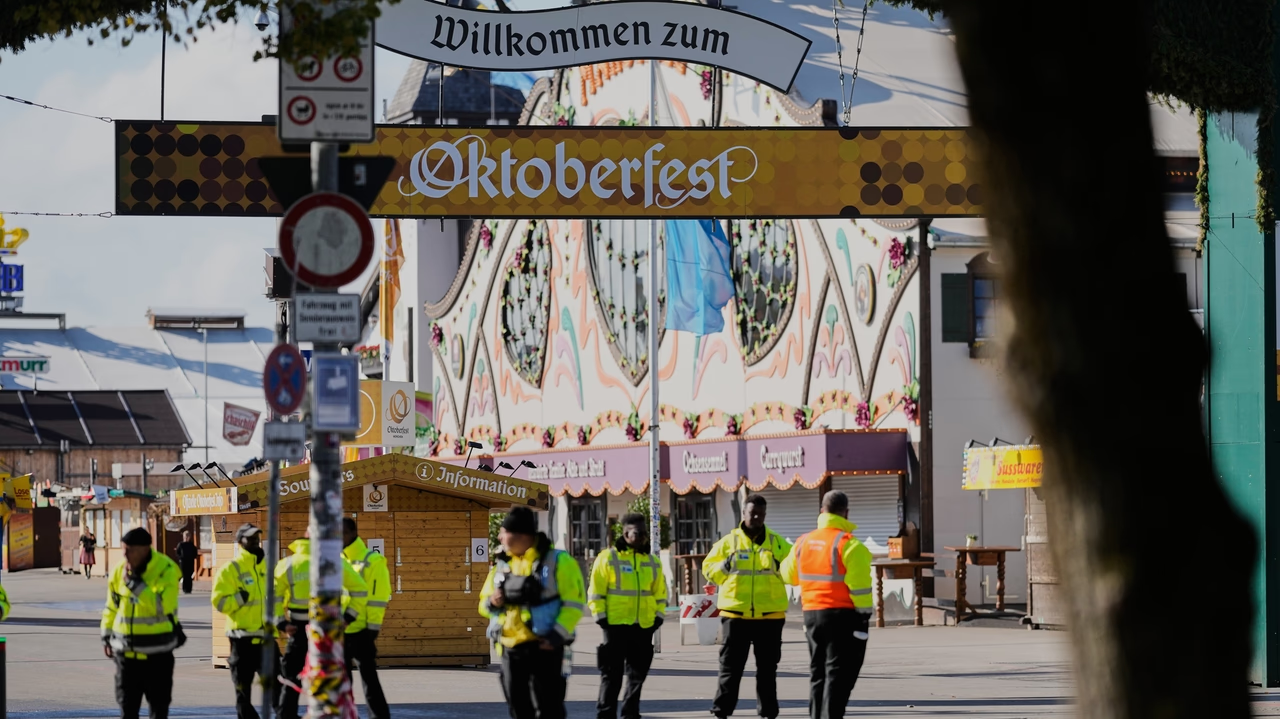
The world-renowned Oktoberfest, an annual celebration of Bavarian culture, beer, and camaraderie, faced an unprecedented and alarming disruption this year. Traditionally held in Munich, Germany, Oktoberfest is one of the world’s largest folk festivals, attracting millions of visitors from across the globe. However, this year’s festivities were abruptly canceled due to a series of distressing events including a credible bomb threat, a fatal explosion, and ongoing security concerns. The convergence of these incidents not only cast a shadow over the celebration but also raised significant questions about public safety and the security measures in place for major international events.
The Series of Incidents Leading to the Cancellation
Fatal Explosion Sparks Immediate Concern
According to reports from Euronews, a tragic explosion in Munich resulted in at least one confirmed fatality. Authorities quickly responded to the scene, and initial investigations suggested the explosion was linked to suspicious activities that raised alarms about the safety of the ongoing festivities.
The nature of the explosion was such that it prompted immediate security protocols, with officials evaluating the potential threat to public safety and the risk of further incidents. Although the exact cause of the explosion was still under investigation, it was enough to cause widespread concern among both police and the public.
Bomb Threats Cast a Shadow Over the Festival Grounds
The threat of bombs was reported by multiple news sources, including The Hindu, authorities received credible warnings of potential bomb devices at the festival grounds, leading to immediate evacuation and heightened security measures.
This threat, combined with the earlier explosion, created a tense environment, forcing organizers and law enforcement to consider cancelation for safety reasons.
Security Concerns and Police Actions
As detailed by dw.com, police in Munich responded promptly to the explosion and subsequent threats, deploying additional officers and setting up a security perimeter around the festival grounds. Investigations were launched to determine the origin of the threats and to identify those responsible.
The focus shifted from celebration to crisis management, as authorities prioritized ensuring the safety of the public and preventing any further tragedies. The presence of bomb disposal units and the deployment of sniffer dogs became standard protocol during these tense days.
The Decision to Cancel Oktoberfest
Given the gravity of the incidents, Munich officials and festival organizers faced an impossible dilemma: proceed with the festivities risking public safety, or cancel the event altogether. Ultimately, in coordination with law enforcement and security agencies, it was decided to cancel Oktoberfest for the first time in its history this close to its opening day.
According to reports from Euronews, the decision was made in consultation with security experts, and the event organizers issued a statement emphasizing prioritization of visitor safety over festivities. This cancellation addressed concerns about potential further threats and aimed to prevent any loss of life.
The Community and Global Response
Public Reaction
While many visitors and residents expressed disappointment over the cancellation, there was an overwhelming consensus supporting the decision made to protect lives. Social media platforms were flooded with messages of understanding and solidarity, with many praising the quick action of authorities.
International Impact
Indeed, the incident drew international attention, highlighting increasing global security concerns at large public gatherings. Countries and organizations around the world took note of the Munich events, reaffirming their own security protocols for similar festivals and gatherings.
Looking Forward: Safety and Preparedness
The Munich incidents serve as a stark reminder of the importance of rigorous security measures for major events. Authorities worldwide are now reevaluating threat assessment strategies, implementing new surveillance technologies, and enhancing emergency response protocols to prevent future tragedies.
For Munich, this year’s Oktoberfest may be remembered as a somber chapter, but it also underscores the resilience of a community committed to safety and unity in the face of adversity.
Conclusion
The unexpected and tragic events in Munich have profoundly impacted the festival’s legacy, emphasizing that safety must always come first. While the cancellation of Oktoberfest is a setback for cultural celebrations, it reinforces the shared responsibility of organizers, authorities, and attendees to prioritize security at all times.
As investigations continue and security measures are strengthened, the hope remains that next year’s Oktoberfest will return even more secure and resilient, allowing people to once again revel in Bavarian traditions without fear.
For more updated news please keep visiting Hourly Prime News.