

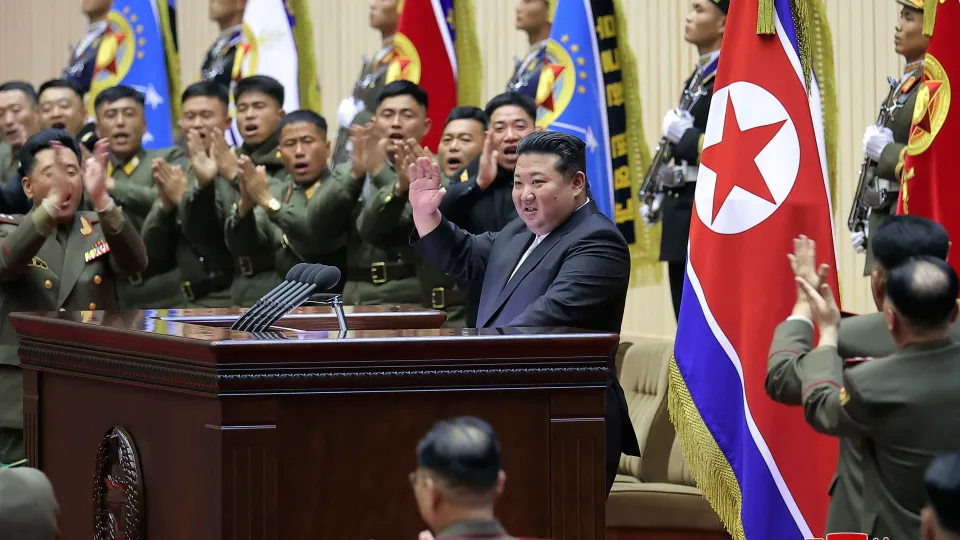
In recent weeks, the global geopolitical landscape has become increasingly volatile, with North Korea once again asserting its dominance and military ambitions. Central to this development is the clear and urgent call from North Korea’s Supreme Leader Kim Jong Un for an accelerated buildup of the country’s nuclear capabilities. This statement comes amidst a backdrop of rising regional tensions, provocative military exercises, and escalating rhetoric from both Pyongyang and international adversaries.
The Context of North Korea’s Nuclear Ambitions
North Korea’s pursuit of nuclear weapons has long been a point of concern for the international community. Since the country’s first nuclear detonation in 2006, Kim Jong Un has repeatedly emphasized the importance of nuclear modernization, emphasizing that it is essential for the nation’s sovereignty and deterrence strategy. Over the years, Pyongyang has developed a complex arsenal of nuclear warheads and delivery systems, including ballistic missiles capable of reaching distant targets, and even claims of developing submarine-launched ballistic missiles.
Recently, North Korea has intensified these efforts, calling for a “rapid expansion” of its nuclear capabilities. According to reports from Reuters), North Korea’s leadership considers its nuclear arsenal a cornerstone of national security and a powerful bargaining chip in international diplomacy.
Kim Jong Un’s Public Statements and Policy Shifts
Kim Jong Un’s recent speeches have been notably aggressive, emphasizing the need for a “fulfillment of the nuclear force modernization” program. As reported by NDTV, Kim emphasized the importance of “rapid expansion” of nuclear capabilities, asserting that North Korea must stay ahead of perceived threats from the United States and its allies.
His rhetoric underscores a firm stance: Pyongyang views its nuclear program as vital for safeguarding sovereignty and deterring potential military interventions. The leadership believes that a robust nuclear arsenal provides leverage in negotiations and is an essential strategic asset in a region fraught with conflict.
Regional and Global Reactions
The international community has reacted with concern and condemnation following Kim’s statements. The United States, South Korea, Japan, and other regional actors have expressed apprehension about North Korea’s persistent missile tests and the explicit nuclear posture articulated by Kim. South Korea and the United States, in particular, have condemned North Korea’s recent military exercises and expressed their readiness to respond decisively to any provocation.
In fact, North Korea’s recent comments about “joint US-South Korea drills” being a show of “will for war provocation” further escalate these tensions, with the possibility of miscalculations and accidental conflicts increasing. As reported by The Times of Israel, these provocations could fuel an unstable cycle of escalation.
The Broader Implications of North Korea’s Nuclear Drive
The aggressive push for nuclear expansion by Kim Jong Un has multiple strategic implications. It threatens to destabilize the delicate balance of power in Northeast Asia and increases the risk of military confrontations. Additionally, it challenges the existing diplomatic frameworks designed to prevent nuclear proliferation.
Furthermore, North Korea’s nuclear pursuits could inspire other nations to develop or enhance their own arsenals, undermining global non-proliferation efforts. This development complicates future negotiations and increases the likelihood of an arms race on the Korean Peninsula and beyond.
In terms of diplomacy, Pyongyang’s recent rhetoric signals a move away from dialogue towards a more assertive posture. Kim has explicitly linked North Korea’s nuclear program to its survival, especially in the face of joint military drills and sanctions imposed by Western nations. This stance suggests that any negotiations must address security concerns from Pyongyang’s perspective if they are to be successful.
Potential Consequences and Future Outlook
As Kim continues to push for rapid nuclear development, several possible outcomes could unfold:
- Increased military tensions: Heightened risk of miscalculations leading to conflict, especially during provocative missile tests.
- International sanctions and isolation: Further economic penalties may be imposed, potentially worsening the humanitarian situation inside North Korea.
- Diplomatic deadlock: Negotiations could stall as North Korea prioritizes nuclear expansion over denuclearization talks.
- Regional arms race: China, Japan, and South Korea might accelerate their own military capabilities in response.
However, it remains uncertain whether North Korea’s assertiveness will translate into tangible military breakthroughs or diplomatic breakthroughs. The global community must navigate this complex situation with a strategy that balances deterrence with diplomatic diplomacy, aiming to prevent conflict while acknowledging North Korea’s security concerns.
Conclusion
The renewed and aggressive nuclear ambitions of North Korea under Kim Jong Un mark a significant escalation in the unparalleled cycle of regional tension. Kim’s calls for rapid expansion highlight his view that nuclear deterrence is vital for North Korea’s survival and global stature. While diplomatic options remain, the path forward is fraught with risks of misjudgment and escalation. The international community must remain vigilant and proactive in seeking avenues for dialogue, while reinforcing defenses against potential provocations.
As tensions escalate, the world awaits North Korea’s next move, understanding that any significant development could reshape security dynamics across Asia and the broader international landscape.
For more updated news please keep visiting Hourly Prime News.