

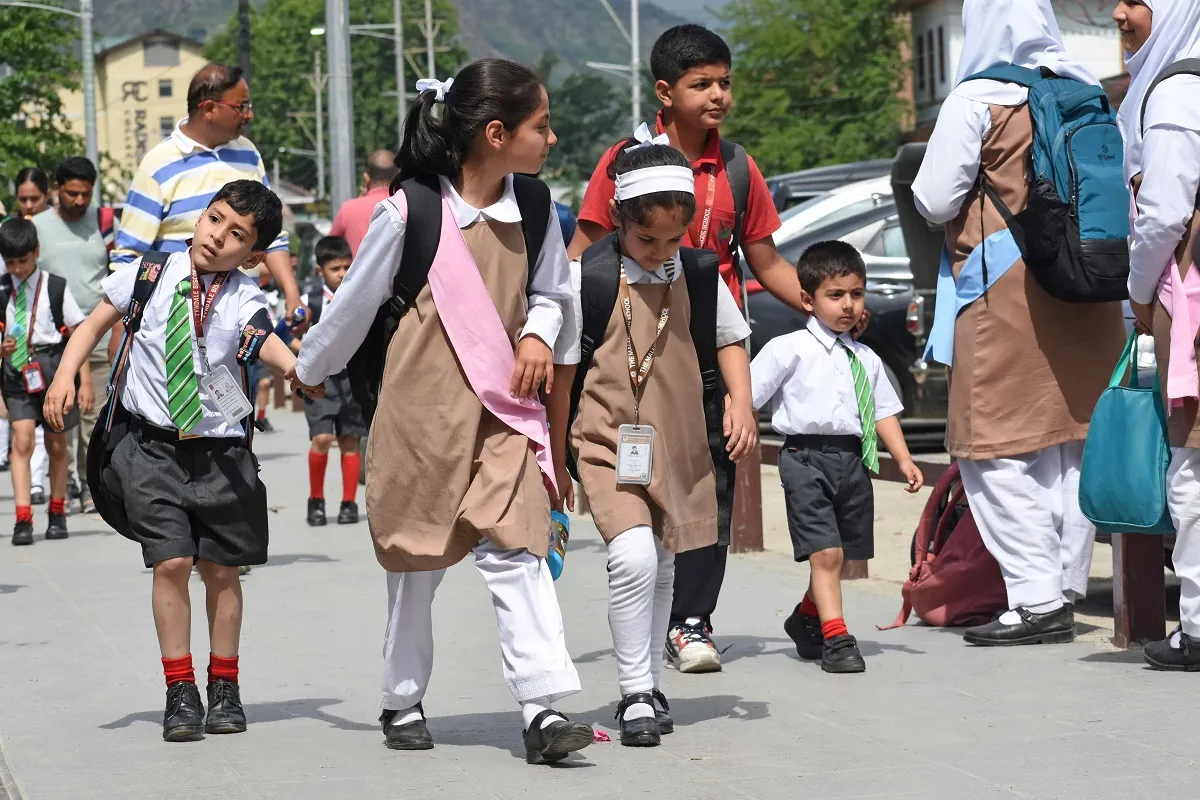
The eagerly awaited summer break in the Kashmir Valley has concluded, with authorities officially confirming that there will be no extension. As per recent reports, schools are slated to resume academic sessions on July 8. The decision has sparked a mix of relief and concern among students, parents, and educators alike. This article delves into the reasons behind the decision, the implications for the educational community, and what stakeholders can expect as the new academic year kicks off.
Official Announcement: No Extension in Summer Break
Background and Context
The summer vacation period is a significant interval for students across the Valley to relax and rejuvenate after months of rigorous academic activity. Typically, the government allocates a fixed duration for summer break, tailored to regional needs, weather conditions, and logistical considerations. However, this year, circumstances prompted discussions about extending the break to accommodate various factors, including weather anomalies and infrastructural challenges.
Despite these considerations, the authorities have officially announced that the summer holiday will end as scheduled. The full report from Hindustan Times confirms that the decision remains steadfast.
Reasons Behind the Non-Extension Decision
Ensuring Academic Continuity
- Curriculum Deadlines: Educational authorities aim to complete the syllabus within a stipulated timeframe. Extending the vacation could delay exam schedules and disrupt academic plans.
- Preparation for Examinations: Students need sufficient time to revise and prepare for upcoming exams, which are scheduled post-reopening.
Weather and Regional Factors
The Valley experiences extreme weather conditions, especially during the peak summer months. While the weather can sometimes warrant a longer break, authorities have decided that maintaining the schedule will help students adapt to the usual seasonal patterns without undue delay.
Logistical and Administrative Considerations
- Transport and Infrastructure: Public transportation, school infrastructure, and maintenance schedules are aligned with the original calendar.
- Assessment of Pending Work: Schools need to finalize and conduct assessments, and any delay could hamper the academic calendar.
Implications for Students and Parents
Academic Preparedness
Students are expected to return to classrooms on July 8, ready to resume their studies. Educators are preparing to intensify their efforts to bridge any learning gaps that may have widened during the break.
Concerns and Challenges
- Extended Holidays: Some students and parents expressed concern over the lack of extension, fearing that it might reduce the total break time, especially after an unusual year.
- Mental and Physical Well-being: The abrupt end of the break calls for careful management of students’ emotional and physical health, as they transition back to academic routines.
What to Expect as Schools Reopen
Strict Adherence to Health Protocols
With ongoing health concerns, schools are expected to implement strict safety measures, including sanitization, social distancing, and possibly hybrid learning models. The reopening phase will be closely monitored to ensure the well-being of students and staff.
Introduction of New Academic Initiatives
Educational institutions may seize this opportunity to introduce supplementary programs, digital learning modules, and student engagement activities designed to enhance learning outcomes and make up for the lost time.
Community and Stakeholder Engagement
- Parent-Teacher Meetings: Regular interactions will help address concerns and keep parents informed about their children’s progress.
- Student Support Services: Counseling and mental health support will be particularly emphasized to ease the transition back into the classroom environment.
Broader Educational and Regional Impact
Reaffirmation of Academic Calendar
The decision underscores a commitment to adhering to the pre-scheduled academic calendar, which in turn impacts exam schedules, curriculum coverage, and extracurricular planning.
Balancing Tradition and Modern Challenges
The Valley’s education system continues to balance regional traditions with the need for modernization and resilience against challenges such as climatic variations and recent health crises.
Final Thoughts
While some stakeholders might have hoped for a longer vacation to recover from the hardships of the past year, the authorities’ decision to keep the summer break on schedule reflects a focus on maintaining academic discipline and continuity. It also emphasizes the importance of preparedness and resilience in the face of unpredictable regional challenges.
Parents and students should view this reopening as an opportunity to reset and adapt quickly. Schools must ensure a safe and conducive environment to foster learning and development in these trying times.
In conclusion, the Valley’s schools will reopen on July 8 without an extension to the summer break. All eyes will be on the upcoming academic sessions to see how well students and teachers adapt to this new phase, ensuring educational goals are met while safeguarding health and well-being.
For more updated news please keep visiting Hourly Prime News.