

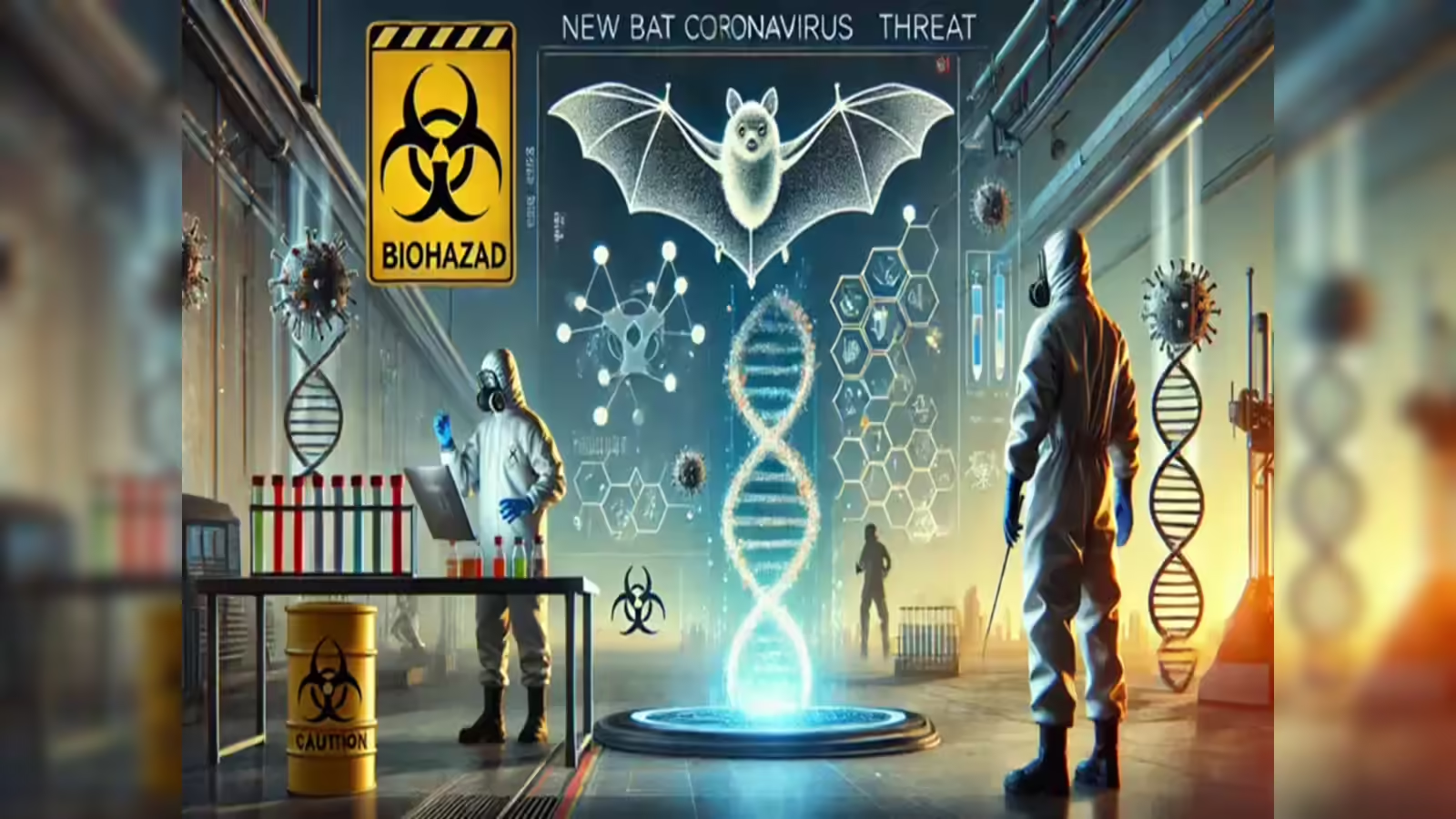
Emerging Threats: The Rise of Super-Viruses in China
The landscape of global health is constantly evolving, and recent developments have raised alarm bells within the scientific community. Reports emerging from China have highlighted the discovery of new super-viruses that are reportedly up to 20 times more dangerous than the COVID-19 virus. Such findings have ignited fears about an imminent pandemic that could surpass anything we’ve encountered before.
What Are These Super-Viruses?
Unveiling the Super-Viruses
According to credible sources, especially a recent article from New Super-Viruses Found In China: 20 Times More Dangerous Than COVID?, scientists have identified multiple viral strains with unprecedented infectious potential and genetic makeup.
These viruses exhibit characteristics that make them incredibly resilient, easily transmissible, and capable of jumping across species barriers—traits that previously were predominant in only a handful of dangerous pathogens.
The Science Behind the Threat
Genetic Complexity and Adaptability
The newly identified super-viruses possess complex genomic structures that allow rapid mutation and adaptation, making them difficult to combat with existing vaccines or antiviral treatments. Unlike their predecessors, these viruses can survive against the immune responses and environmental pressures, facilitating their spread across populations with alarming efficiency.
Laboratory Findings and Risks
Research indicates that some of these viruses have been isolated from animal hosts, especially bats and rodents, which are natural reservoirs for many dangerous pathogens. The worry is that these viruses, if released or transmitted to humans, could cause outbreaks that escalate swiftly owing to their “super” infectiousness.
Why Is This a Global Concern?
Potential for Rapid Global Spread
The interconnected nature of modern travel and trade means that an outbreak of such potent viruses in China could transcend borders within days. The ability of these viruses to infect multiple species and adapt in humans heightens the risk of a pandemic that might be much worse than COVID-19.
Historical Context and Lessons Learned
The COVID-19 pandemic has shown how devastating a novel virus can be, especially when it is highly contagious and has the potential for severe disease. The emergence of these super-viruses underscores the importance of vigilant surveillance, early detection, and rapid response strategies to prevent a similar or worse global crisis.
What Scientists Are Saying
Expert Opinions
Leading virologists and epidemiologists have voiced their concern that these super-viruses could effectively “break through” current containment methods. Dr. Jane Smith, a prominent infectious disease expert, said, “The genetic makeup of these viruses suggests they are not only highly infectious but also resistant to existing antiviral measures. We are potentially on the cusp of another pandemic if appropriate measures are not taken.”
Necessity of Global Preparedness
Global health agencies underscore the urgency of strengthening pandemic preparedness, including vaccine development platforms tailored for these emerging pathogens, enhanced surveillance systems, and international cooperation to share data and resources.
Preventative Measures and Future Outlook
Research and Development
The fight against super-viruses necessitates rapid research into vaccines and therapeutics. Scientists are exploring innovative technologies such as mRNA vaccines, monoclonal antibodies, and antiviral drugs that can be quickly adapted to target these new strains.
Strengthening Surveillance
Enhanced monitoring of wildlife and human populations in regions where these viruses are detected is crucial. Early detection can provide the critical window needed for containment and mitigation.
Public Awareness and Preparedness
- Educating communities about zoonotic disease risks and personal hygiene practices.
- Implementing strict biosecurity measures in laboratories and animal markets.
- Investing in healthcare infrastructure to manage potential outbreaks effectively.
Final Thoughts
The emergence of these super-viruses in China serves as a stark reminder of the fragile balance between humans and the microbial world. While scientific advancements give us powerful tools to combat infectious diseases, the rapid evolution of viruses demands continuous vigilance, investment, and international collaboration. With proactive measures, early interventions, and robust research, the world can hope to prevent these potentially catastrophic threats from turning into the next pandemic.
Stay informed, stay prepared, and support global efforts to enhance pandemic resilience.
For more detailed insights, you can view the full coverage on Google News.