

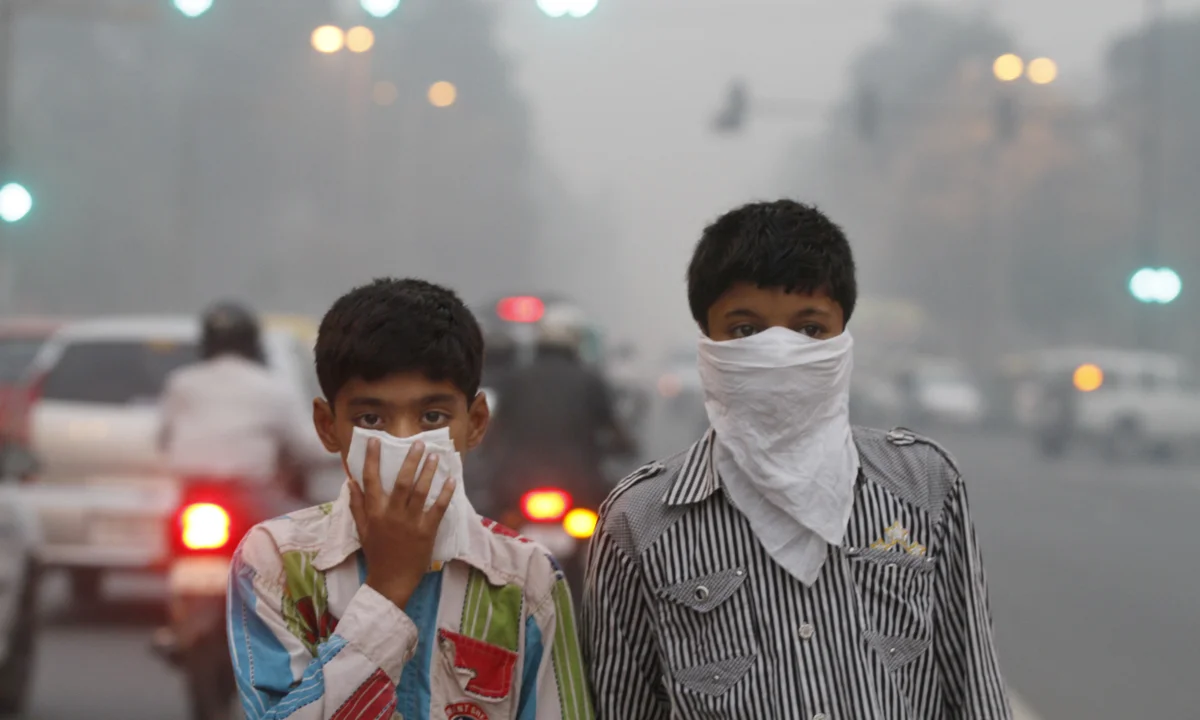
Recent scientific investigations have unveiled alarming insights into the invisible threats lurking in the air that surrounds us daily. While most of us go about our routines unaware of the complex composition of the atmosphere we breathe, researchers are now shedding light on previously unknown factors that could significantly impact human health. This discovery not only broadens our understanding of environmental health risks but also raises urgent questions about the safety of our air quality and the measures needed to safeguard public health.
Revelation of Hidden Components in the Air
Uncovering the Unknown
For decades, environmental studies focused primarily on overt pollutants like particulate matter (PM), nitrogen oxides, sulfur dioxide, and ozone. However, recent advances in measurement techniques and analytical technology have enabled scientists to detect subtle and previously unmeasured compounds in the air. These include a complex mixture of microscopic particles, volatile organic compounds (VOCs), and chemical residues stemming from human activities, natural processes, and even newer sources like electronic waste or microplastics.
One of the groundbreaking discoveries is the identification of *micro- and nanoplastic particles* suspended in the atmosphere. While plastics have long been associated with water contamination, their airborne presence signifies a new vector for potential human exposure. These tiny particles, often less than 100 nanometers in size, can penetrate deep into the respiratory system and possibly translocate to other organs.
Playing a Previously Unknown Role
Scientists point out that many of these newly identified airborne components might act in concert with well-known pollutants, amplifying their effects or introducing entirely new health risks. Notably, some of these invisible agents are suspected to play a previously unknown role in the onset of respiratory diseases, neurological disorders, and even cancers.
For instance, certain VOCs released from synthetic materials and industrial processes have correlations with neurological impairments. The microplastic particles also pose risks that are just beginning to be understood, with potential links to inflammation and immune responses that could exacerbate existing health conditions.
The Impact on Human Health
Respiratory and Cardiovascular Risks
The respiratory system is the most directly exposed to airborne contaminants. Fine particles and chemical vapors can cause irritation, inflammation, and long-term damage to the lungs. Data from recent studies indicates that exposure to these newly identified pollutants could lead to increased incidence of asthma, chronic bronchitis, and even chronic obstructive pulmonary disease (COPD).
Moreover, the cardiovascular system is not spared. Inhalation of ultrafine particles can trigger systemic inflammation and promote plaque formation in arteries, increasing the risk of heart attacks and strokes.
Potential Neurological Effects
Emerging research suggests that certain airborne chemicals, especially VOCs and microplastics, could cross the blood-brain barrier and influence neurological health. Scientists are investigating links between air pollution exposure and cognitive decline, neurodevelopmental disorders in children, and increased vulnerability to neurodegenerative diseases like Alzheimer’s and Parkinson’s.
This area remains under active research, but the preliminary findings underscore the importance of considering air quality as a factor in neurological health—a realm previously underappreciated in environmental health discourse.
Sources and Causes of These New Airborne Risks
Industrial and Urban Activities
- Factories and manufacturing plants: release a cocktail of chemical fumes, microplastics, and other particulates.
- Vehicular emissions: emit not only traditional pollutants but also ultrafine particles that can penetrate deep into the lungs and bloodstream.
- Waste treatment and recycling facilities: generate airborne microplastics and VOCs from chemical and physical degradation processes.
Naturally Occurring Factors
- Wildfires: produce smoke laden with micro- and nanoplastics, ash, and chemical residues.
- Volcanic eruptions: release ash and gases that contribute to atmospheric pollution.
Emerging Human-Generated Sources
- Microplastic fibers from synthetic textiles: shed during washing and dry-cleaning, becoming airborne particles.
- Electronic waste breakdown: degradation of electronic components releases various chemical materials into the environment.
Assessing the Risks and the Need for Policy Changes
Scientific Uncertainty and Precautionary Measures
While the presence of these novel airborne components is now being documented, much remains to be understood about their toxicity, distribution, and long-term effects. Scientists advocate for a precautionary approach, emphasizing the need for comprehensive air quality monitoring that includes these emerging contaminants.
Current air quality standards may not sufficiently account for micro- and nanoplastics or certain VOCs, necessitating revisions to regulatory frameworks and air pollution guidelines.
Technological and Policy Responses
- Advanced detection tools: Development of more sensitive sensors capable of continuously monitoring airborne microplastics and chemical vapors.
- Stricter emission controls: Implementation of policies targeting microplastic emissions from industries and urban sources.
- Public awareness campaigns: Educating communities on reducing exposure, such as using air purifiers, wearing masks in polluted areas, and supporting regulations for cleaner production processes.
The Path Forward: Protecting Our Air and Our Health
Research Priorities
Scientists are calling for increased funding and international collaboration to better understand these recently discovered airborne threats. Priorities include understanding the pathways of exposure, biological impacts, and developing mitigation strategies.
Long-term epidemiological studies will be crucial in establishing concrete links between these airborne agents and specific health outcomes.
Personal and Community Actions
Individuals can contribute to improving air quality and reducing health risks by:
- Supporting policies that aim for cleaner air and reduced plastic use.
- Using air purifiers at home and in workplaces to minimize indoor exposure.
- Reducing reliance on vehicles by walking, cycling, or using public transportation.
- Minimizing plastic waste and participating in recycling efforts to reduce microplastic propagation in the environment.
Conclusion
The recent discoveries about the complex and previously unknown components of the air we breathe underscore an urgent need for renewed focus on environmental health and safety. As science uncovers more about how these pollutants may influence human well-being, it becomes crucial for policymakers, industries, and individuals to collaborate on strategies that diminish exposure and protect health. The air we breathe is fundamental to life, and safeguarding its purity remains one of the most vital goals in contemporary public health.
Remember: While the scientific community continues to explore and understand these new risks, vigilance and proactive measures are essential in ensuring a healthier future for all.
For more updated news please keep visiting Hourly Prime News.