

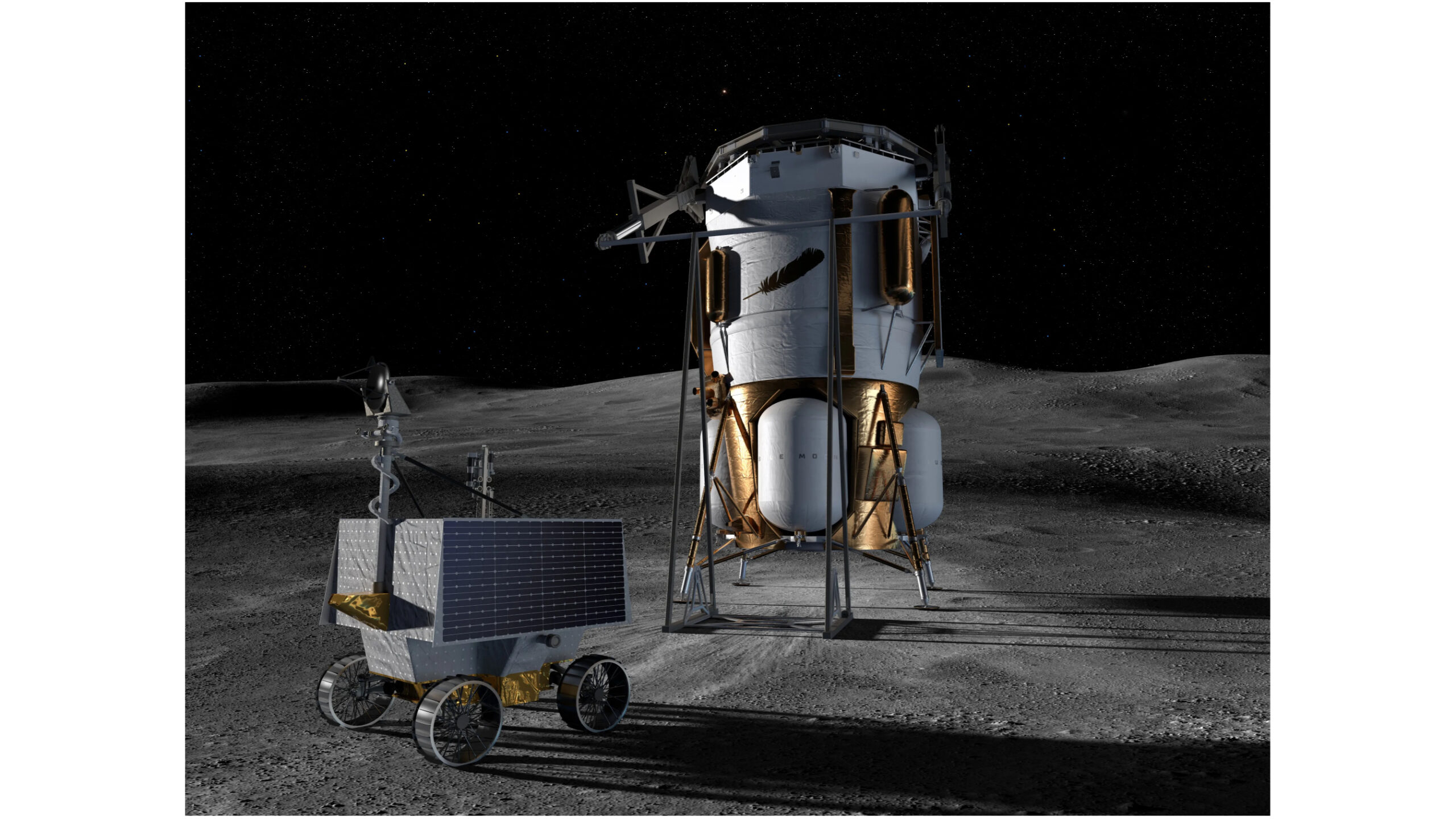
The 21st century has marked a new era in human space exploration, especially with NASA’s renewed focus on lunar missions. Following the successful Apollo missions of the late 20th century, NASA has embarked on innovative projects aimed at orbiting, landing, and establishing a sustainable presence on the Moon. This article delves into the historic milestones achieved by NASA in the realm of lunar orbiters, the astronauts involved, and the technological advancements that are propelling us toward a new age of lunar exploration.
The Significance of Modern Lunar Orbiters
NASA’s lunar missions in the 21st century are strategically designed to pave the way for future exploration and potential colonization of the Moon. Unlike the early missions, which primarily served scientific and exploratory purposes, current orbiters are equipped with cutting-edge technology, including high-resolution imaging systems, mineralogical analyzers, and communication relays, all aimed at comprehensive lunar surface studies.
These orbiters, such as the Lunar Reconnaissance Orbiter (LRO) launched in 2009, have provided invaluable data about lunar topography, resources, and potential landing sites. Their success has been instrumental in identifying areas rich in water ice, rare minerals, and natural resources necessary for sustained human presence. The ongoing mission updates show how NASA is leveraging these technological marvels to prepare for crewed missions like Artemis, which aims to land humans back on the Moon by the mid-2020s.
Human Missions and the Astronauts of the 21st Century
Who Are NASA’s First Astronauts to Orbit the Moon in the 21st Century?
One of the most remarkable developments in recent lunar exploration is the return of astronauts to orbit the Moon after decades. According to recent reports, NASA has selected a new generation of astronauts who are trained to undertake these ambitious missions. While the first crewed lunar orbit in the 21st century is still upcoming, NASA’s astronaut corps includes individuals with extensive spaceflight experience, ready for the challenge.
For instance, astronauts like Reid Wiseman and Norah O’Connell have been part of preliminary moon-orbiting tests, although specific names for the Artemis missions are still being finalized. The upcoming Artemis II mission, which is designed to orbit the Moon and test the Orion spacecraft’s capabilities, will feature four highly trained astronauts. This marks a significant milestone, as it demonstrates NASA’s commitment to crewed lunar exploration after a hiatus of over 50 years since Apollo 17.
The New Generation of Space Explorers
The astronauts chosen for these missions come from diverse backgrounds, including military pilots, scientists, engineers, and medical doctors. Their training includes simulations of lunar orbit operations, emergency procedures, and advanced spacecraft handling. This new cadre of explorers represents a blend of experience and fresh talent, signifying NASA’s commitment to diversity and innovation.
The Artemis Program: The Next Phase of Lunar Exploration
Progress Towards Lunar Rocket Technologies
At the core of NASA’s return to the Moon is the Artemis program, which aims to establish sustainable human exploration by the late 2020s. A significant milestone has been the development and testing of the powerful Artemis II rocket, which will carry astronauts around the Moon. As reported by NASA, the latest update shows the Artemis II rocket nearing completion, with crucial components being integrated and tested, symbolizing steady progress towards launching the mission.
The Artemis II mission will serve as a precursor to Artemis III, which will land astronauts on the lunar surface. The Orion spacecraft, designed to sustain crew members during lunar orbit, is equipped with advanced life support and navigation systems. These developments highlight NASA’s technological advancements and meticulous planning to ensure safety and mission success.
Engaging the Public and Promoting Space Enthusiasm
One of the innovative aspects of NASA’s current lunar missions is the effort to involve the public. For Artemis II, NASA has launched initiatives encouraging civilians to send their names around the Moon via the Orion capsule. Such programs foster greater engagement and inspire the next generation of scientists and explorers, bridging the gap between space agencies and the general public.
Behind the Scenes of NASA’s Moon Mission Preparations
Technical and Logistical Challenges
Preparing for lunar orbit and eventual surface exploration involves overcoming numerous technical challenges. From constructing and testing rockets to designing lunar landers and habitat modules, NASA’s teams work tirelessly behind the scenes. Recent reports have highlighted the meticulous rover and capsule testing processes, material selections, and safety protocols that are critical to mission success.
Additionally, the logistical coordination required to launch, monitor, and communicate with lunar orbiters is immense. Ground stations around the world are being upgraded to support communication latency and data transmission needs, ensuring real-time support for astronauts and spacecraft alike.
Future Prospects of Lunar Exploration
As NASA draws closer to the Artemis II mission, the future of lunar orbiters looks promising. The data collected will shape the next steps—be it establishing lunar bases, mining for water and minerals, or preparing for manned Mars voyages. These efforts position the Moon as the stepping stone for humanity’s broader interplanetary ambitions.
Conclusion
The past few decades have witnessed incredible advancements in lunar exploration technology, paving the way for a new chapter in human spaceflight. From robotic orbiters providing critical surface data to astronauts preparing for their historic missions, NASA’s efforts exemplify innovation, resilience, and the spirit of exploration. As we stand on the cusp of returning humans to the Moon, it is clear that NASA’s first lunar orbiters of the 21st century have not only deepened our understanding but also reignited mankind’s quest to explore beyond Earth.
For more updated news please keep visiting Hourly Prime News.