

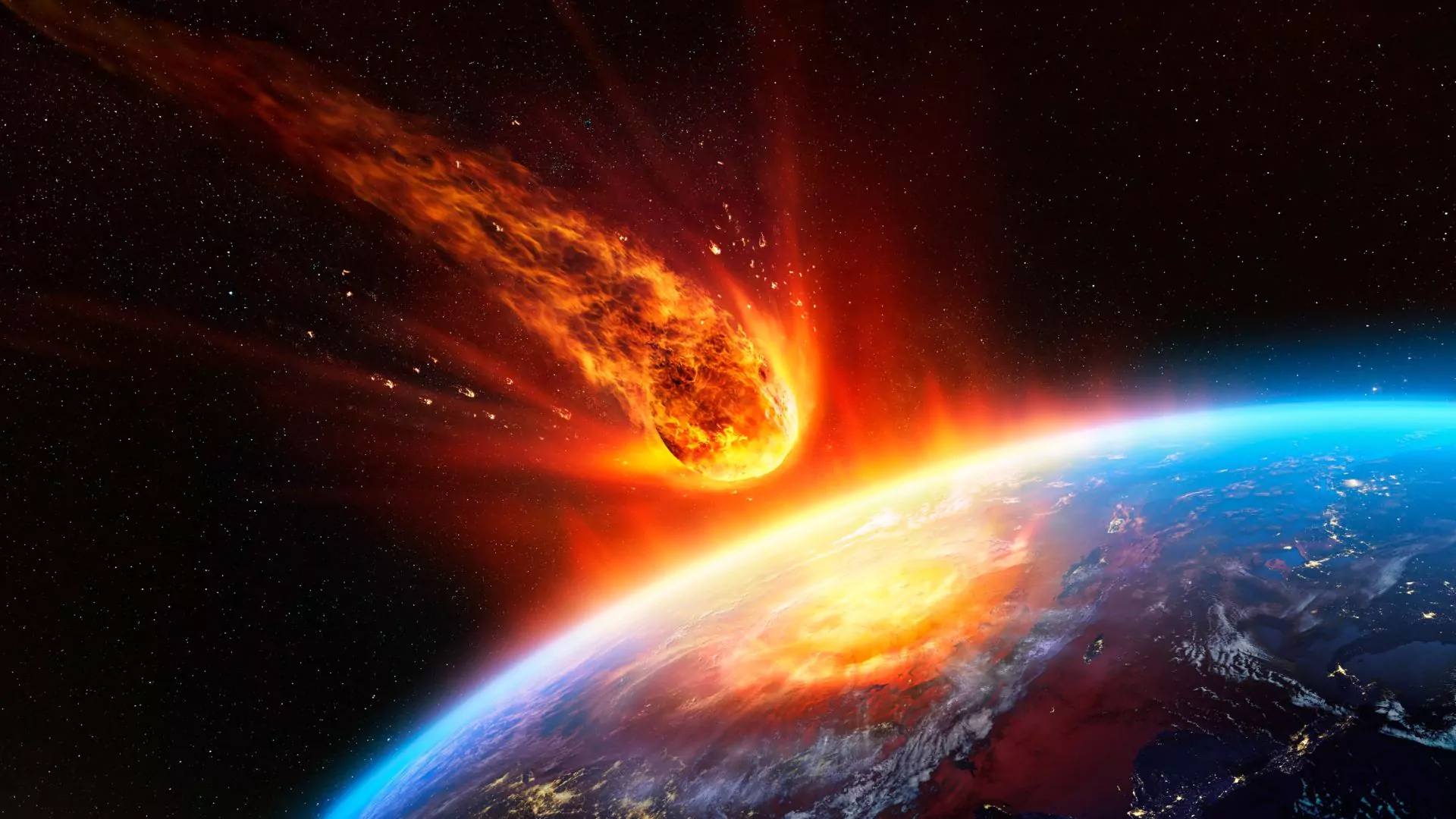
In an era where the vastness of space presents both opportunities and potential threats, NASA stands at the forefront of planetary defense. With the universe’s unpredictable nature, the risk of a devastating asteroid impact on Earth remains a real concern. Fortunately, NASA has developed an ambitious and innovative plan to mitigate these risks, leveraging cutting-edge technology and relentless scientific research. This comprehensive approach aims not only to detect and track potentially hazardous asteroids but also to develop effective strategies to alter their course if they threaten our planet.
Understanding the Threat: The Need for Preparedness
Asteroids and space debris pose a silent yet significant risk to human civilization. Historically, Earth has faced numerous impacts — some small, others catastrophic — that have shaped our planet’s geological and biological history. Today, with thousands of Near-Earth Objects (NEOs) cataloged, the threat remains tangible. An impact event could lead to widespread destruction, loss of life, and long-term environmental disruptions.
Recognizing the importance of planetary defense, NASA has prioritized the development of strategies and technologies to identify potential threats early enough to take preventive action. The urgency of such measures became even clearer after recent missions demonstrated that space interventions can be both feasible and effective.
NASA’s Strategic Approach to Planetary Defense
Early Detection and Tracking of NEOs
The foundation of NASA’s planetary defense strategy is robust early detection. The space agency employs a network of ground-based telescopes and space observatories designed to scan the skies for potentially hazardous asteroids. By precisely tracking their orbits and calculating their impact probabilities, NASA can identify threats well in advance, providing vital lead time for intervention.
This proactive approach depends heavily on advancements in observational technology, data analysis algorithms, and international collaboration to share findings and improve detection capabilities. The longer the lead time, the more options NASA has for deflecting or disrupting an incoming asteroid.
Developing Deflection Technologies
Once a potentially dangerous asteroid is detected, the next challenge is determining how to change its trajectory to prevent an impact. NASA has invested in several innovative methods, with the DART (Double Asteroid Redirect Test) mission being its flagship example. The goal is to “test” asteroid deflection techniques in real space environments, gaining critical data for future planetary defense strategies.
The DART Mission: A Pioneering Step
The DART mission was launched with the primary goal of impacting a small asteroid moonlet, Dimorphos, orbiting a larger asteroid, Didymos. By deliberately colliding with Dimorphos at a specified velocity, scientists aimed to alter its orbit, demonstrating that kinetic impact could be a viable means to deflect an asteroid.
This mission represented a groundbreaking moment in planetary defense: a real-world test of an asteroid impactor in action. The results showed that DART successfully changed the asteroid’s trajectory, thus confirming the effectiveness of kinetic impactors as a viable deflection method. However, this success brought to light some unforeseen issues, such as the creation of a swarm of space debris or “space boulders” resulting from the impact, which could pose additional risks.
Unintended Consequences: The Risks of Deflection
While the DART mission was a technological triumph, recent observations highlight complex challenges. As reported by Giant space ‘boulders’ unleashed by NASA’s DART mission aren’t behaving as expected, revealing hidden risks of deflecting asteroids, the impact can cause unpredictable fragmentation, creating new potential hazards in space that could threaten future missions or even endanger Earth if these fragments are perturbed toward our planet.
Innovating for the Future: Redirecting Rather Than Destroying
Instead of aiming to shatter or destroy an asteroid — which risks creating multiple hazardous fragments — NASA is exploring methods of redirecting these space objects in a controlled manner. The concept involves gently nudging the asteroid over time, allowing a safer and more predictable path alteration. This technique minimizes the risk of unintended destabilization or fragmentation, reducing potential collateral dangers.
One promising approach is the use of gravity tractors—spacecraft that hover near an asteroid and use gravitational attraction to gradually alter its course. Another innovative method under study involves using solar radiation pressure, deploying reflective materials to change an asteroid’s momentum through sunlight.
NASA’s Collaborative Efforts and international Partnerships
Planetary defense is a global concern that surpasses national borders. NASA actively collaborates with international space agencies, research institutions, and private sector stakeholders. Projects like the Planetary Defense Coordination Office (PDCO) facilitate information sharing, joint missions, and development of international protocols in case of imminent asteroid threats.
This cooperative model enhances the world’s collective capacity to respond effectively to asteroid impact risks, pooling resources, expertise, and technological innovations for a united planetary defense front.
Challenges and Future Directions
Despite the successes, NASA faces numerous challenges. Accurately predicting asteroid behavior post-intervention remains complex, especially considering uncertainties in asteroid composition, structure, and response to impact or nudging efforts. Moreover, the potential for unforeseen effects, such as unanticipated debris generation or altered trajectories, underscores the need for comprehensive testing and modeling.
Future missions aim to refine deflection techniques, improve detection systems, and develop autonomous decision-making capabilities. Advances in asteroid characterization, machine learning algorithms for impact simulation, and international policy development are vital to ensuring Earth’s safety in an increasingly complex cosmic environment.
The Significance of Preparedness and Vigilance
NASA’s proactive stance exemplifies the importance of vigilance in safeguarding our planet. The combination of early detection, innovative deflection technologies, and international collaboration forms a formidable shield against asteroid threats. Although the universe’s vastness and unpredictability present ongoing challenges, human ingenuity and scientific perseverance continue to enhance our planetary defense capabilities.
Ultimately, NASA’s mission is a testament to the spirit of exploration and responsibility—recognizing that while space is infinite, our commitment to protecting Earth must be even greater.
By understanding the risks and actively working to mitigate them, humanity takes crucial steps toward ensuring a safe future, even as the cosmos continues to surprise and challenge us.
For more updated news please keep visiting Hourly Prime News.