

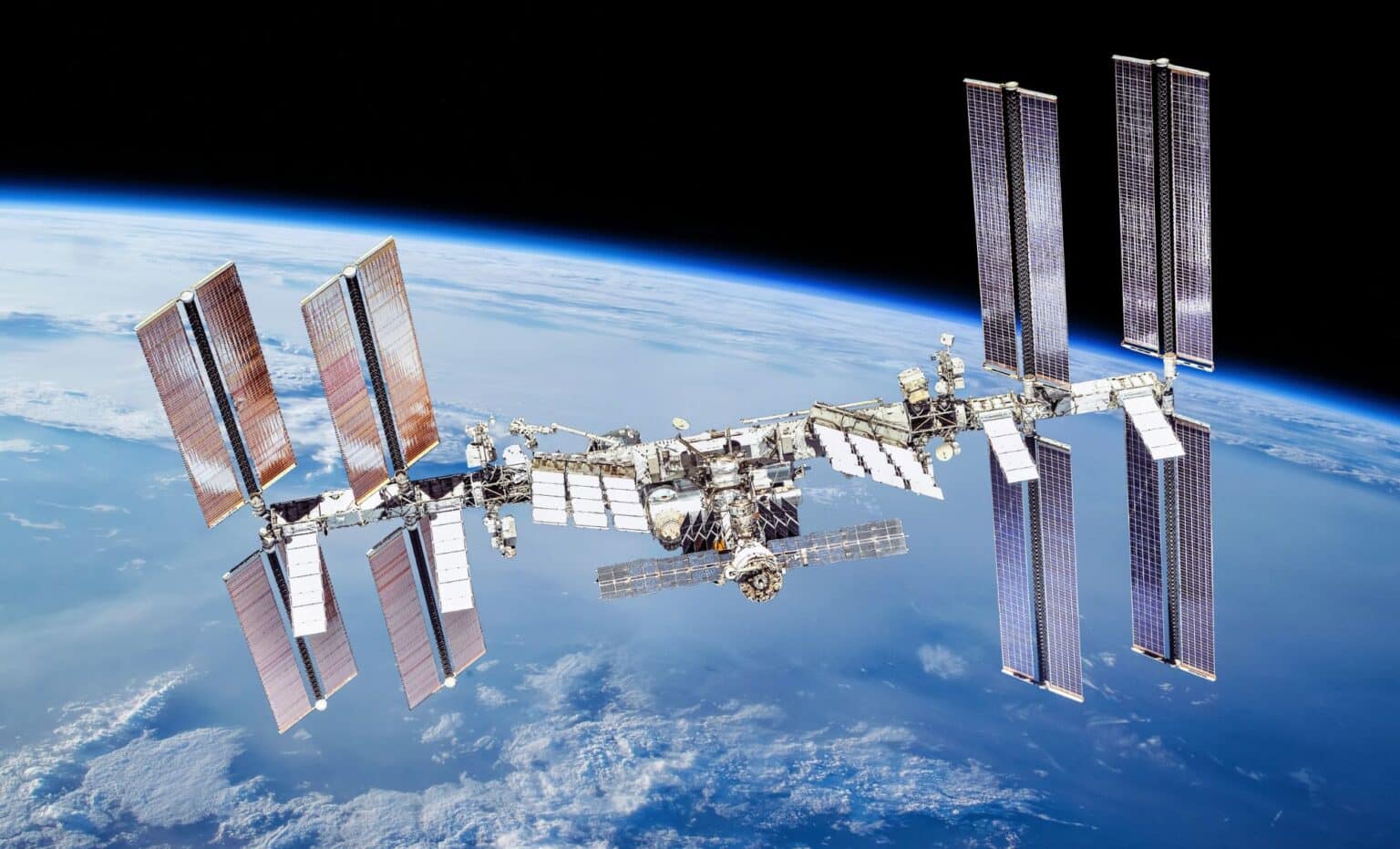
As humanity stands at the cusp of a new era in space exploration, NASA has announced a pivotal plan to retire the International Space Station (ISS) by 2030. This decision marks the culmination of over two decades of groundbreaking research, international cooperation, and technological advancements in human spaceflight. The impending retirement of the ISS prompts a comprehensive reevaluation of how we maintain a human presence in space and ensures the continuity of scientific, commercial, and exploratory missions beyond low Earth orbit.
The Retirement of ISS: Why Now and What’s Next?
The ISS has served as a remarkable platform for scientific experiments, technology testing, and international collaboration since its inception in 1998. However, with aging infrastructure and the rising costs associated with its maintenance, NASA is preparing for a strategic transition. According to News18, it is clear that NASA’s plan involves significant changes to its space infrastructure.
The U.S. space agency is planning to decommission the ISS and shift its focus toward fostering commercial space stations and private sector involvement in space habitation. This shift is driven by the need to reduce costs, encourage innovation, and stimulate new industries centered around human spaceflight. The transition aims to create a sustainable model where NASA can support long-term missions and scientific research outside government-run stations, primarily through partnerships with commercial entities.
Strategies for Sustaining Human Presence Post-ISS
NASA’s roadmap post-2030 emphasizes the development and deployment of commercial space stations. This approach aligns with broader space policy initiatives that promote public-private partnerships and leverage commercial innovation. Here are the key components of NASA’s future space presence strategy:
1. Transition to Commercial Space Stations
- Collaborations with Industry: NASA envisions working closely with private companies to build and operate next-generation space habitats. Companies such as Axiom Space, Bigelow Aerospace, and others are already developing or planning commercial modules that could serve as operational stations in low Earth orbit (LEO).
- Funding and Support: NASA plans to provide financial and technical support to these commercial ventures through programs like the Commercial Low Earth Orbit (LEO) Development initiative, creating a robust eco-system for space habitation.
- Operational Flexibility: These stations will not only host scientific experiments but also support manufacturing, space tourism, and potentially serve as staging points for missions to the Moon and Mars.
2. Focus on Lunar and Martian Missions
With the eventual goal of human exploration beyond Earth, NASA is intensifying its focus on lunar bases and Mars missions. The Artemis program is central to this vision, aiming to establish a sustainable presence on the Moon as a stepping stone for Mars. These lunar outposts, supported by commercial partnerships, are expected to serve as testbeds for life support, habitat resilience, and other technologies necessary for interplanetary travel.
3. Advancing Technology and Infrastructure
- Spacecraft and Habitat Innovation: Developing more autonomous and resilient space habitats that can operate independently for extended periods is crucial. NASA is investing in research to improve life support systems, radiation shielding, and energy generation for long-duration missions.
- In-Orbit Manufacturing and Resources: The future of space habitation also involves harnessing resources such as lunar water and regolith for manufacturing, reducing dependency on Earth-based supplies.
- Space Transportation: New propulsion systems and launch vehicles, both governmental and commercial, will facilitate easier, more cost-effective transfer of humans and cargo between Earth and orbital stations.
Commercial Space Travel and Its Role in the Future
The advent of commercial space travel is a game-changer in the landscape of human space exploration. As noted in USA Today, commercial ventures are increasingly participating in orbital activities, ranging from tourism to scientific research. This not only diversifies the space economy but also helps subsidize NASA’s future endeavors by reducing operational costs.
Emerging Space Centers and Strategic Locations
Another critical aspect of NASA’s future strategies involves establishing space hubs in strategic locations. For instance, Huntsville, Alabama, is positioning itself to become a central hub for space station development, manufacturing, and innovation ().
By developing specialized facilities and fostering collaboration between academia, industry, and government, Huntsville aims to become an influential player in the next generation of space endeavors.
The Broader Implications of NASA’s 2030 Space Strategy
NASA’s move to retire the ISS and transition towards commercial stations and lunar/Mars missions marks a paradigm shift in space exploration philosophy. It reflects a recognition that sustainability and cost-effectiveness are paramount for long-term human presence beyond Earth. The strategy also emphasizes fostering innovation within the private sector, which could lead to breakthroughs in space manufacturing, medicine, and other industries.
Moreover, this transition aligns with international partners’ efforts to develop their own space stations and explore lunar and Martian terrains. It heralds a new era where multi-national collaboration, commercial enterprise, and government space programs converge to expand humanity’s reach into the cosmos.
Conclusion: Preparing for a New Era
As NASA embarks on this ambitious transition plan, the next two decades promise significant advancements in space technology, infrastructure, and exploration capabilities. The retirement of the ISS in 2030 is not an end but rather a pivot toward innovative and sustainable ways to sustain human life in space. Through partnerships with commercial entities, the deployment of new habitats, and strategic positioning of space hubs, humanity is poised to move beyond low Earth orbit and establish a lasting human presence on the Moon, Mars, and perhaps beyond.
The road ahead is filled with challenges, yet the potential for discovery and expansion is immense. As NASA and its partners adapt to this evolving landscape, the dream of becoming an interplanetary species inches closer to reality.
For more updated news please keep visiting Hourly Prime News.