

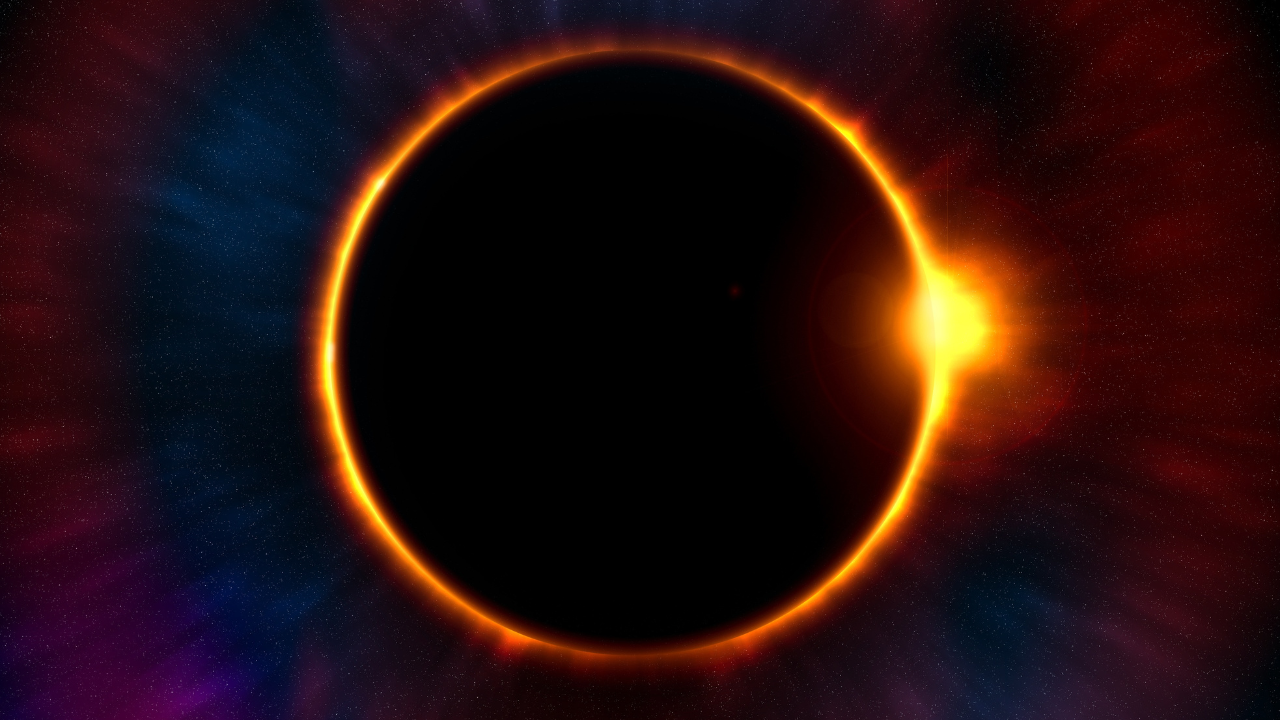
The celestial spectacle that has captivated humanity for centuries is once again approaching, and this time, it promises to be extraordinary. NASA, the space agency renowned for its precise astronomical predictions, has announced a rare event: a total solar eclipse that will darken parts of the world for approximately six minutes on August 2. Such a prolonged eclipse is a phenomenon that occurs infrequently and offers scientists, astronomers, and the general public an exceptional opportunity to witness the universe’s grand display.
This upcoming eclipse isn’t just a local event—it’s poised to affect millions around the globe, potentially altering weather patterns and inspiring awe among viewers. In this article, we’ll delve into what makes this eclipse so unique, the areas that will experience it, and why NASA’s predictions are critical for preparedness and appreciation of these cosmic events.
The Science Behind a Total Solar Eclipse
A solar eclipse occurs when the Moon passes between the Earth and the Sun, temporarily blocking out the Sun’s light. There are several types: partial, annular, and total eclipses, with the total eclipse being the most spectacular. During totality, the Sun’s corona becomes visible, producing a breathtaking halo of plasma and revealing the Sun’s outer atmosphere.
The duration of totality varies based on several factors, including the alignment of the Sun, Moon, and Earth, and the distance of the Moon from Earth during the event. The upcoming eclipse on August 2 stands out because of its unprecedented length—lasting up to six minutes in some locations—compared to the usual 2-3 minutes.
What NASA’s Latest Update Reveals
Details of the August 2 Eclipse
According to NASA’s recent briefing, this eclipse will be visible in specific regions across the world, with the longest duration of totality occurring in parts of the Pacific, Australia, and possibly some remote areas of Southeast Asia. The agency emphasizes that due to the precise alignment required, perfect conditions will only last in certain locations, making this event a rare spectacle for viewers in these zones.
NASA’s scientists have also highlighted that the eclipse’s extended duration provides an excellent opportunity for scientific research. Observations during prolonged totality can offer insights into solar dynamics, the behavior of the corona, and space weather phenomena that influence satellite operations, communication systems, and even terrestrial weather patterns.
Environmental Impact and Safety Measures
Despite its awe-inspiring nature, safety is paramount when observing a solar eclipse. NASA stresses the importance of using proper eclipse glasses or indirect viewing methods. Prolonged totality, which lasts several minutes, might lead some viewers to underestimate the dangers of direct solar observation during partial phases.
Additionally, the recent predictions also underscore the importance of preparedness, especially for communities in the path of totality. Local authorities and astronomical societies are urging residents and tourists to plan ahead, as the influx of observers can strain infrastructure and supply resources in less prepared regions.
The Global Significance of the August 2 Eclipse
Connecting Humanity Through a Shared Cosmic Event
This eclipse is more than just a scientific phenomenon—it’s a reminder of our place in the universe. Humanity’s fascination with solar eclipses spans cultures and centuries, from ancient civilizations interpreting them as divine omens to modern scientists studying their mechanics.
The upcoming event will likely inspire millions to step outside and gaze upward, fostering a renewed appreciation for astronomy and science. Schools, universities, and space agencies worldwide are organizing viewing events, educational workshops, and live broadcasts to ensure that everyone can experience the wonder, regardless of geographic location.
Potential Effects on Climate and Weather
While a six-minute eclipse might seem localized, some experts suggest that such significant drops in solar radiation can have measurable impacts on weather patterns temporarily. The brief cooling effect in the regions experiencing totality could influence local atmospheric conditions, though these effects are usually minor and short-lived. Nonetheless, understanding these interactions is crucial in broader climate studies.
The Cultural and Historical Context
Throughout history, solar eclipses have held profound cultural significance. Many ancient societies saw them as divine messages or omens, leading to myths and rituals that sought to appease gods or explain cosmic order. Today, with advanced technology and scientific understanding, we approach eclipses with curiosity and reverence, appreciating both their scientific importance and cultural heritage.
The upcoming eclipse continues this tradition of wonder and discovery. Its extended duration and predictability demonstrate humanity’s progress in understanding celestial mechanics, yet it also reminds us of the universe’s vast mysteries awaiting exploration.
Preparation Tips for Viewers
- Use Certified Eclipse Glasses: Never look directly at the Sun without appropriate eye protection, especially during the partial phases.
- Locate Viewing Areas in the Path of Totality: Plan your observation site in areas where the maximum duration of totality will occur, ensuring an unforgettable experience of the darkness and sun’s corona.
- Arrive Early: Expect crowds and long lines; arriving before the event ensures you secure a good viewing spot.
- Capture the Moment Responsibly: Use cameras with solar filters, and plan to document the event safely.
- Engage with the Scientific Community: Follow live broadcasts, participate in educational events, and discuss the science behind the eclipse to deepen your understanding.
The Future of Solar Eclipses and Space Observation
This upcoming eclipse underscores the importance of continued investment in space and atmospheric sciences. With advancements in satellite technology and ground-based observation, researchers can better predict and analyze such events, enhancing our comprehension of solar phenomena. Furthermore, international collaboration during celestial events fosters unity and shared curiosity among nations.
Looking ahead, astronomers are excited about the potential discoveries during this prolonged totality. Machines and telescopes specially designed for solar observations can capture data that may unlock secrets about the Sun’s magnetic fields, solar wind, and even space weather forecasting. Such knowledge is vital for protecting Earth’s technological infrastructure.
Conclusion: An Event Not to Be Missed
The total solar eclipse on August 2 promises a rare and mesmerizing experience that unites science, culture, and human wonder. As NASA’s prediction highlights, the event’s six-minute duration is a precious window to witness the Sun’s majestic corona and reflect on our cosmic relationship. Whether you are an avid astronomer, a curious student, or a casual sky gazer, this eclipse offers an extraordinary opportunity to connect with the universe and each other.
Ensure you prepare properly, find the best viewing location, and share this incredible moment with friends and family. Together, we can marvel at the universe’s grandeur and deepen our appreciation for the celestial ballet that unfolds above us.
For more updated news please keep visiting Hourly Prime News.