

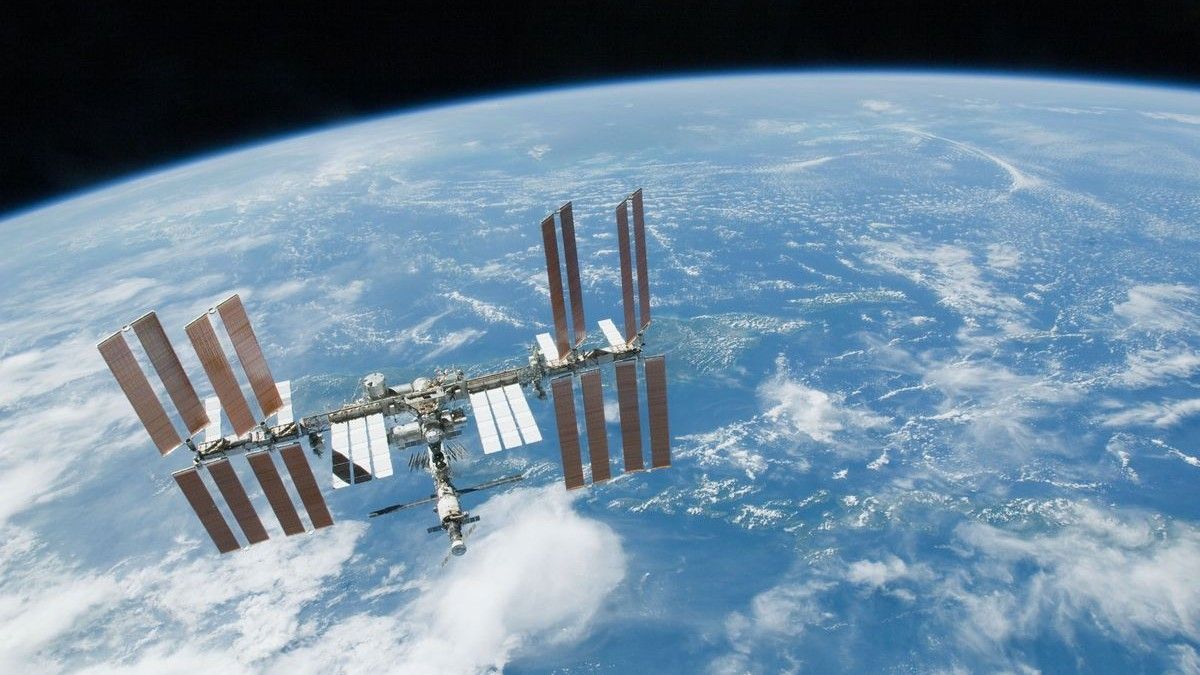
In a significant shift within the realm of space exploration, NASA has announced plans to deorbit the International Space Station (ISS) by the year 2030. This decision not only marks the end of an era but also paves the way for a more vibrant, competitive, and innovative commercial space industry. As traditional governmental agencies pivot their focus, private companies and commercial entities are poised to fill the gap by developing their own space stations and related infrastructure, heralding a new chapter in human spaceflight.
Understanding NASA’s Deorbit Plan and Its Implications
NASA’s plan, detailed in recent statements and reports, aims to retire the ISS by 2030 to shift resources and attention toward building the next generation of space habitats. The deorbiting process involves carefully controlled procedures to ensure safety and environmental responsibility. But more importantly, this shift symbolizes a strategic move to foster a burgeoning commercial space economy.
By discontinuing its reliance on the ISS, NASA opens opportunities for private companies to develop & operate commercial space stations. This transition aligns with the broader goal of democratizing access to space, reducing costs through competition, and promoting innovation beyond governmental frameworks. Many industry experts see this as a catalyst for growth in space tourism, research, manufacturing, and even long-term habitation efforts.
Benefits of the Transition for Commercial Space Flight
1. Accelerating Innovation and Reducing Costs
The end of reliance on a government-owned station like the ISS encourages companies to develop cost-effective, scalable space habitats. Private firms are driven to innovate with newer materials, modular designs, and sustainable systems, which could significantly lower the expense of accessing and maintaining space in the future. For example, SpaceX and other startups are already working on commercial space stations, inspired partially by the opportunities created by NASA’s strategic shift.
2. Promoting Competition and Broader Accessibility
With NASA stepping back from long-term station operations, the commercial sector is motivated to develop multiple solutions suitable for various markets—including research, tourism, and industry. Increased competition leads to better services, more options, and more affordable access to space. This transition could promote wider participation beyond traditional government agencies and invite new players into space exploration and commercialization.
3. Stimulating Economic Growth and New Markets
The move encourages the growth of a robust space economy. Entrepreneurs and businesses are now exploring opportunities such as manufacturing in microgravity, asteroid mining, space-based internet, and even lunar habitation. These ventures could generate substantial revenue streams, create jobs, and establish sustainable markets that extend beyond Earth.
4. Fostering International Collaboration and Partnerships
Post-ISS, the evolution of space stations is expected to involve collaborations among nations and private companies, fostering diplomatic and commercial alliances. This cooperative approach could lead to shared technological advancements and joint missions, amplifying the pace and scope of human presence in space.
Envisioning the Next Generation of Space Habitats
The decommissioning of the ISS is more than an end; it is the beginning of a new era characterized by innovation and entrepreneurial spirit. Several companies are already poised to launch their own orbital stations or space habitats that offer facilities for research, manufacturing, and even tourism. For instance, companies like Axiom Space are working towards building commercial modules that can attach to or replace the ISS, ushering in a new era of “space cities”.
This transition aligns with the global vision of making space a commercially viable and inhabited frontier. The new space stations are envisioned to be more flexible, affordable, and tailored to different markets, including scientific research, tourism, and manufacturing. Moreover, these projects emphasize sustainability and self-sufficiency, vital for long-term human settlement beyond Earth.
The Role of Governments and Private Sector Collaboration
While NASA leads the way in deorbiting the ISS, it remains committed to supporting ongoing scientific research and international partnerships. The agency’s role is expected to evolve from station operator to facilitator and regulator of commercial activities in space. This includes providing launch services, regulatory frameworks, and infrastructure support, thereby enabling private players to take the forefront.
Public-private partnerships have already demonstrated success, exemplified by advances such as SpaceX’s Crew Dragon and Boeing’s CST-100 Starliner, facilitating crew transportation and station resupply. Moving forward, such collaborations will likely encompass the development and management of private space stations, fostering a vibrant ecosystem that benefits all stakeholders.
The Broader Impact on Human Space Exploration
The retirement of the ISS by 2030 signifies a crucial inflection point in human space exploration. It encourages a diversified approach, with multiple actors contributing agendas and innovations. This democratization could accelerate missions to the Moon and Mars, as private sector involvement reduces dependency on governmental programs and opens new logistical and technological pathways.
Furthermore, the advent of commercial space stations will enable continuous scientific experiments in microgravity, advanced manufacturing capabilities, and even space tourism, making space more accessible to a broader population. These developments will serve as vital stepping stones for humanity’s quest to colonize other celestial bodies, ultimately aiming for sustained presence on the Moon, Mars, and beyond.
Challenges and Considerations
Despite the optimistic outlook, transitioning to a commercial space station era comes with challenges. Regulatory frameworks, safety standards, and international agreements need to evolve to accommodate multiple operators and new forms of activity. Ensuring long-term sustainability, protecting the space environment from debris, and maintaining safety protocols are critical areas needing continuous attention.
Moreover, there is a need to balance commercial interests with scientific and environmental considerations, especially as human activity increases in space. The international community must collaborate to establish guidelines, prevent conflicts, and promote responsible use of Earth’s orbital environment.
Conclusion: A New Dawn in Space Exploration
The decision by NASA to deorbit the ISS by 2030 is more than a strategic retreat; it’s a bold step toward fostering a vibrant commercial space ecosystem. This transition promises to unlock new opportunities in research, industry, tourism, and international collaboration. As government agencies shift their focus, private companies are set to lead the charge—building the space stations and habitats of the future, making space more accessible, sustainable, and profitable for all.
This shift symbolizes humanity’s evolving relationship with space: from exclusive governmental endeavors to inclusive, multifaceted commercial ventures. The future of human spaceflight is bright, and with continued innovation and cooperation, we are poised to explore new worlds and expand our presence among the stars.
For more updated news please keep visiting Hourly Prime News.