

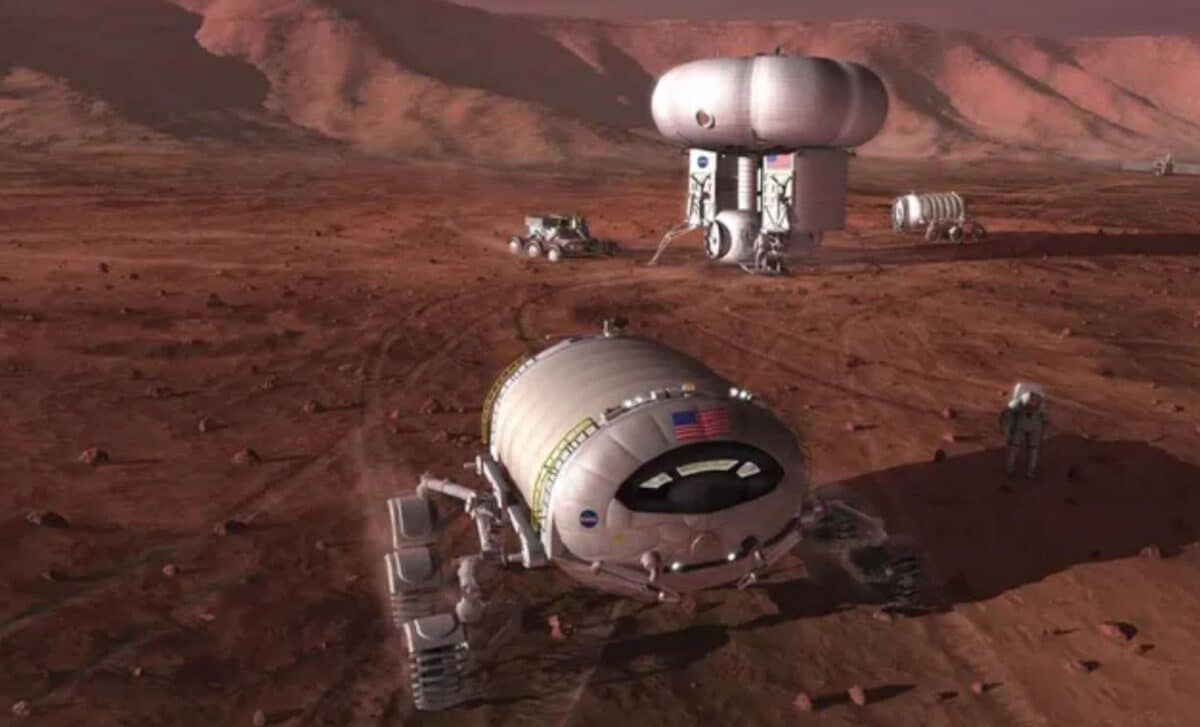
The future of human space exploration is taking a giant leap forward thanks to a groundbreaking technological breakthrough backed by NASA. Recent studies have unveiled a novel method to produce oxygen efficiently and sustainably for lunar and Martian missions. This innovation could redefine how astronauts breathe and sustain life on distant celestial bodies, paving the way for longer, safer, and more cost-effective space expeditions.
Revolutionary Oxygen Generation Method Emerges
According to a recent NASA-backed study finds revolutionary technique to produce oxygen for Moon and Mars missions, scientists have developed a method that could generate vital oxygen from locally available resources on these celestial bodies.
This new technique leverages the principles of magnetic-based extraction processes, enabling oxygen to be separated from lunar regolith or Martian soil in an energy-efficient manner. Traditional methods, often reliant on transporting supplies from Earth, are costly and impractical for extended missions. This innovation addresses those constraints, providing a self-sustaining mechanism crucial for long-duration exploration.
How Does this New Technique Work?
The Science behind Magnet-Assisted Oxygen Production
The core of this breakthrough involves the use of specially designed magnetic fields that interact with mineral particles containing oxygen-rich compounds such as ilmenite (FeTiO3) commonly found on the Moon and Mars. When exposed to magnetic forces, these minerals undergo a process that releases oxygen gas, which can then be captured and stored for astronauts’ use. The process is environmentally friendly, requires less energy, and offers scalability for future habitats.
According to experts, magnetic extraction techniques allow for rapid processing of soil samples, leading to higher yields of oxygen within shorter timeframes. This is particularly vital in space environments where energy resources are limited and efficiency is paramount.
The Significance for Space Missions
- Enhanced Self-Sufficiency — Spacecraft and lunar bases can produce their own oxygen, reducing dependencies on Earth-based supply chains.
- Cost-Effectiveness — Lower energy requirements and the use of local materials translate into significant cost savings for missions.
- Extended Mission Durations — Reliable oxygen generation extends the lifespan of lunar and Martian habitats, facilitating longer expeditions and potential colonization.
Supporting Technologies and Innovations
An accompanying innovation that supports this oxygen production method involves the use of advanced magnetic systems designed specifically for space environments. As discussed in “Magnets for space: How a new technology will support missions to the Moon and Mars” by NEWS.am TECH, the system precisely manipulates magnetic fields to interact with mineral deposits, facilitating the extraction process.
Challenges and Future Prospects
While promising, this technique is still in its developmental phase. Researchers are working on scaling the process for practical use in lunar and Martian habitats, and testing the magnetic systems in simulated space conditions. Ensuring the durability and efficiency of these systems in harsh environments remains a challenge.
Furthermore, there are international discussions about the geopolitical implications of such technologies, especially concerning the utilization of lunar and Martian resources, highlighted in articles like “NASA Faces An Unprecedented Risk: Tiny Magnets Spark Global Tensions Over Oxygen Production in Space” in the Sustainability Times.
Implications for Future Space Exploration
The successful development and implementation of magnet-assisted oxygen extraction point toward a future where human presence on the Moon and Mars becomes more sustainable. Not only does this technology reduce the logistical footprint of space missions, but it also fosters independence, resilience, and potential for colonization.
As efforts continue, collaborations across international space agencies and private enterprises are expected to accelerate the refinement of this technology. The vision of establishing permanent bases on these celestial bodies hinges on such innovations—creating self-sufficient habitats capable of supporting life independently of Earth.
Conclusion
The discovery of a revolutionary oxygen production technique, backed by NASA, marks a pivotal step in human space exploration. Leveraging magnetic technology to extract oxygen from local resources provides a sustainable, cost-effective, and scalable solution essential for the next era of lunar and Martian missions.
This innovation not only enhances the safety and viability of long-term missions but also opens new horizons for space colonization, resource utilization, and international cooperation in space exploration efforts.
As research progresses, we stand on the brink of transforming space habitation from a risky endeavor into a viable, thriving frontier. The path to the stars has never been clearer or more exciting.
For more updated news please keep visiting Hourly Prime News.