

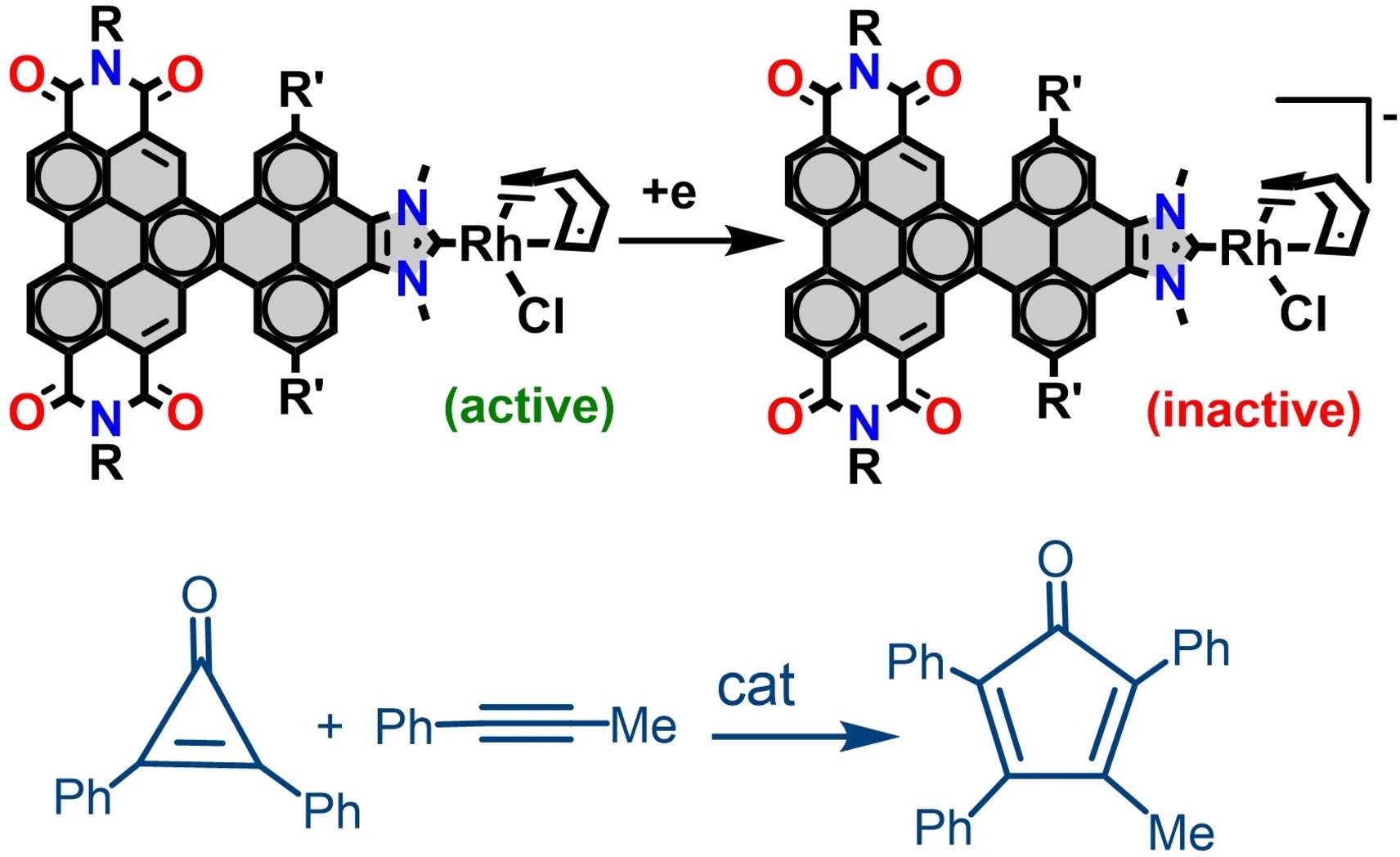
Nanographene, a fascinating allotrope of carbon with a two-dimensional structure, has garnered significant attention within the scientific community due to its remarkable properties and potential applications. From electronics to biomedical engineering, the versatility of nanographene makes it a subject of extensive research. However, the surface chemistry and structural modifications, such as oxidation, profoundly influence its behavior, stability, and functionality. This blog explores how **oxidation induces structural changes in nanographene**, leading to significant alterations in its properties, and discusses the underlying mechanisms behind these transformations.
Understanding Nanographene and Its Structural Fundamentals
Nanographene consists of a small fragment of graphene, typically a few nanometers in size, retaining the characteristic honeycomb lattice of carbon atoms. Its unique properties—high electrical conductivity, mechanical strength, and large surface area—are primarily derived from its extended sp² hybridized carbon network. These properties make nanographene an ideal candidate for various technological applications, including sensors, catalysts, and drug delivery systems.
However, despite its robustness, nanographene is not immune to chemical modifications. Its reactive edges and basal planes can undergo various reactions, with oxidation being one of the most common and impactful. Oxidation introduces oxygen-containing functional groups, such as hydroxyl, carbonyl, and carboxyl groups, onto the graphene surface, thereby modifying its electronic structure and overall physical characteristics.
How Oxidation Alters the Morphology of Nanographene
Molecular Bending and Structural Distortion
One of the key observations reported in cutting-edge research—such as the work featured on )—is that molecules of nanographene tend to bend and warp upon oxidation. This molecular bending results from the addition of oxygen functionalities, which disrupt the uniform sp² network and induce localized strain or curvature in the graphene sheet.
- Structural distortions caused by oxygen groups lead to non-planar configurations, transforming flat nanographene sheets into wrinkled or curved structures.
- This bending affects the mechanical strength and flexibility of the material, often making it more pliable but less robust under stress.
- Furthermore, the bending influences the electronic properties, as the overlap of π-electron orbitals becomes altered in skewed conformations.
Impacts on Material Properties
The morphological distortions caused by oxidation translate directly into changes in physical and chemical properties, including:
- Electrical Conductivity: The introduction of oxygen groups opens up bandgaps, reducing the overall conductivity and making oxidized nanographene more semiconducting.
- Surface Chemistry: Increased functional groups enhance chemical reactivity, enabling better dispersibility in solvents and higher affinity for specific molecules or biological agents.
- Mechanical Behavior: Bending and warping can influence the elasticity, bendability, and fracture resistance of the nanographene sheets.
Chemical Mechanisms Behind Nanographene Oxidation
Oxidation Pathways and Functionalization
Oxidation processes can occur through various pathways such as chemical treatments with strong acids or oxidizing agents like potassium permanganate or sulfuric acid. These treatments facilitate the addition of oxygen-containing groups predominantly at the edges and defect sites of nanographene.
The resulting structure typically features:
- Hydroxyl groups (-OH)
- Carbonyl groups (>C=O)
- Carboxyl groups (-COOH)
Such groups not only modify the electronic structure but also create localized strain, further promoting molecular bending. Moreover, the presence of these functionalities enhances the hydrophilicity of nanographene, a crucial feature for biomedical applications.
Impact on Electronic Structure
The addition of oxygen groups changes the hybridization of carbon atoms from purely sp² to a mixture with sp³ character. This hybridization causes the p-orbitals responsible for conductivity to become disrupted, leading to a decrease in electrical performance.
Simultaneously, the altered electronic structure can open up a bandgap, transforming metallic nanographene into a semiconducting material, which is desirable for electronic device fabrication.
Applications Affected by Structural Changes
Electronics and Sensors
Oxidized nanographene with tailored properties is highly suitable for sensor applications, where increased surface functionalities improve sensitivity and selectivity. The bending and structural distortions enable better interaction with analytes, leading to enhanced detection capabilities.
Biomedical Engineering
The bending of nanographene molecules upon oxidation influences biocompatibility and cellular interactions. Functional groups such as carboxyls facilitate conjugation with biomolecules, making oxidized nanographene suitable for drug delivery, biosensing, and tissue engineering.
Energy Storage and Catalysis
Modified nanographene exhibits altered electrochemical properties important for battery electrodes and catalytic surfaces. Structural distortion enhances active sites for reactions, improving efficiency and performance.
Challenges and Future Outlook
Despite the promising applications, controlling the degree of oxidation and the resulting structural changes remains challenging. Excessive oxidation can compromise mechanical integrity, while insufficient oxidation may limit functionalization. Developing precise oxidation protocols allows researchers to tailor nanographene properties precisely.
Future research aims to understand the relationship between specific oxidation patterns, molecular bending, and property modulation. Advanced characterization techniques, such as atomic force microscopy (AFM) and Raman spectroscopy, are integral to visualizing these nanoscale changes.
Conclusion
In summary, the oxidation of nanographene induces profound *molecular bending* and structural distortions, which directly influence electrical, chemical, and mechanical properties. These transformations broaden the scope of nanographene’s applications by enabling customizable functionalities. Harnessing and controlling these structural changes will continue to propel innovations across electronics, biomedicine, and energy sectors.
Understanding the fundamental mechanisms behind nanographene oxidation facilitates the design of more effective materials tailored for specific purposes. As research advances, the ability to manipulate nanographene’s structure at the molecular level promises to unlock even more remarkable functionalities in the future.
For more updated news please keep visiting Hourly Prime News.