

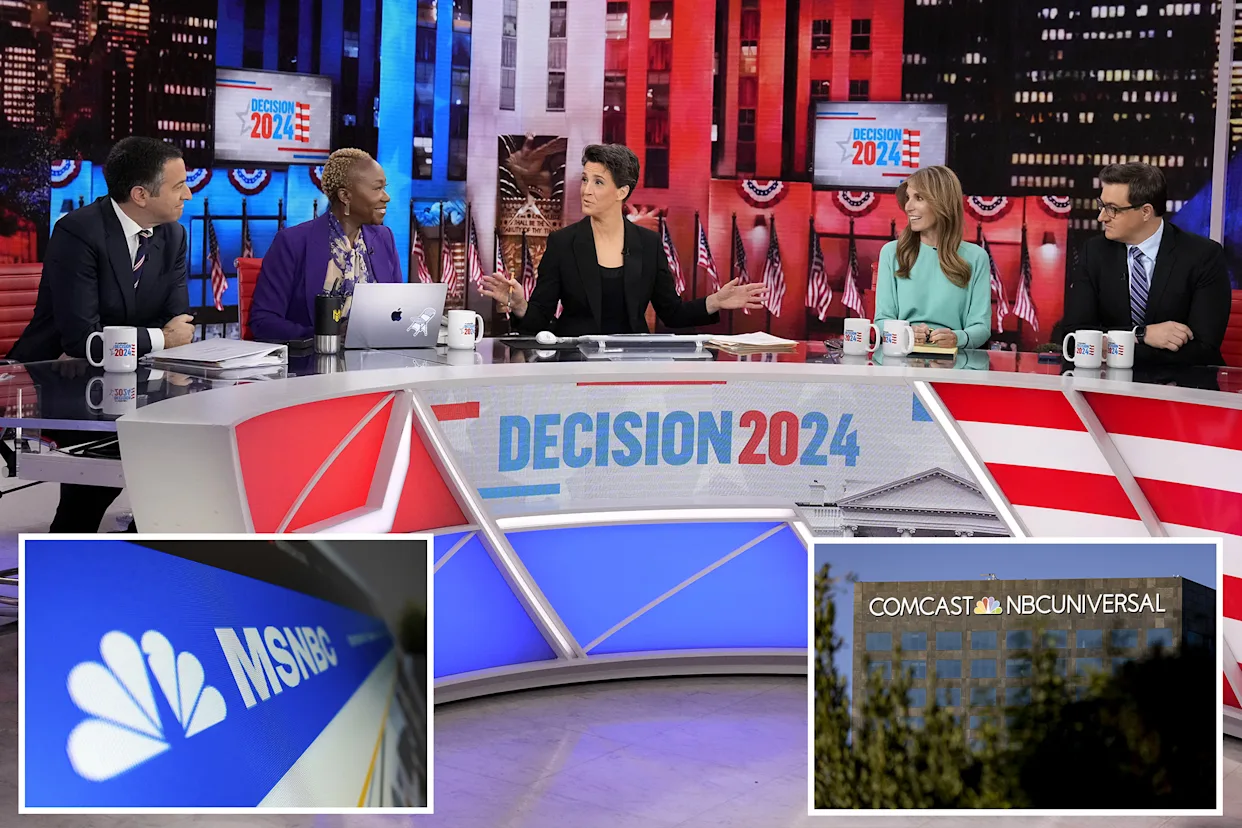
The media landscape is constantly evolving, influenced by changing viewer preferences, technological advancements, and the shifting perceptions of trust. Recently, the retirement or significant rebranding of a longstanding news channel like MSNBC has triggered widespread discussions about where audiences should turn for reliable news, opinion, and global insights. This shift signals more than just a change in logo or programming; it underscores a deeper quest among viewers for authenticity, transparency, and diversity in the sources they trust.
MSNBC’s Transition: From Routine to Revealing New Identity
Historically, MSNBC has been a staple in American households, known for its political coverage and opinion-based programming. However, recent developments suggest that the network is transitioning from its familiar format towards a more personalized, perhaps even novel, approach to news dissemination. The statement “Farewell, MSNBC. Hello, ‘My Source for News, Opinion and the World,’” encapsulates this radical rebranding effort, signaling a shift towards positioning itself as a source—not just a channel—of comprehensive news and diverse opinions.
This rebranding hints at a strategic pivot to foster a closer, more direct relationship with viewers. The emphasis on being “the source” suggests a desire to build trust through transparency and authenticity, which are increasingly sought after in today’s digital age where misinformation and bias are prevalent. The phrase “Wait, What?” underscores the element of surprise and possibly skepticism, as consumers grappled with the news of this metamorphosis, questioning whether this move will deliver on its promise of trustworthiness and balanced reporting.
The Impact of Digital Evolution and Social Media on News Consumption
The rise of social media platforms and instant news alerts has revolutionized how audiences consume information. Traditional networks like MSNBC once held a monopoly on televised news consumption, but today, viewers have access to a plethora of sources ranging from independent journalists to social-media influencers. This democratization of information means that trust becomes a major differentiator among news providers.
Given this landscape, several factors are reshaping the quest for reputable sources:
- Increased Demand for Authenticity: Audiences now crave transparent and honest reporting, seeking sources that don’t embellish or skew facts.
- Fragmentation of Media Outlets: As media outlets diversify, viewers need to discern which sources provide factual, balanced reporting.
- Challenges of Misinformation: The proliferation of fake news, especially during elections or major global events, has heightened the importance of verified and trusted channels.
- Personalized Content and Algorithms: Platforms like YouTube and social networks curate feeds based on user preferences, often reinforcing biases. This makes the search for trustworthy sources more critical than ever.
Against this backdrop, MSNBC’s rebranding can be seen as an effort to capitalize on the need for authenticity. By repositioning itself as “My Source,” the network aims to redefine its identity in a crowded, fragmented media world.
The Rise of Alternative Trusted News Sources
Many viewers are now taking it upon themselves to hunt for news outlets that align with their values or offer unbiased reporting. This search has led to the emergence of several reliable sources gaining prominence:
- Nonprofit News Organizations: Entities like NPR, The Associated Press, and BBC are celebrated for their rigorous journalistic standards and commitment to impartial reporting.
- Independent Journalists and Platforms: With the advent of platforms like Substack and independent YouTube channels, credible voices outside mainstream outlets are gaining traction.
- Specialized News Platforms: Niche sources focusing on specific sectors like business, global affairs, or science also serve as trusted references for informed readerships.
- Fact-Checking Websites: Websites such as Snopes, FactCheck.org, and PolitiFact help consumers verify claims, bolstering their confidence in consuming news.
The Challenges in Trust and Credibility
Despite the proliferation of credible sources, challenges remain:
- Bias and Partisanship: Even reputable outlets can sometimes exhibit bias, whether political or ideological, leading to skepticism among viewers.
- Echo Chambers: Personalized algorithms tend to reinforce existing beliefs, reducing exposure to diverse viewpoints and risking increased polarization.
- Economic Pressures: Declining advertising revenue impacts the quality of journalism, forcing outlets to chase sensational stories to attract viewers.
- Information Overload: With countless sources available, binary decision-making becomes harder, leading to confusion about who to trust.
What Does This Mean for Viewers in 2024?
As MSNBC transitions and other outlets shift their brand identities, viewers are encouraged to adopt a more active role in choosing their news sources. Relying solely on traditional television or social media feeds isn’t enough anymore. Instead, consumers should diversify and scrutinize their information, prioritizing transparency and factual accuracy.
Practical Tips for Navigating Today’s Media Environment:
- Cross-Check Information: Verify news stories through multiple reputable sources before forming opinions.
- Be Aware of Bias: Recognize biases—yours and those of the outlets—and try to seek balanced perspectives.
- Engage with Independent and Nonprofit Outlets: Explore platforms known for their rigorous fact-checking and journalistic integrity.
- Use Fact-Checking Tools: Regularly utilize fact-checking websites to verify viral claims or sensational headlines.
- Limit Exposure to Polarizing Content: Diversify your news diet to include a range of viewpoints, reducing the risk of echo chambers.
The Future of Trust in News: Opportunities and Concerns
The rebranding of MSNBC and the surge in independent news sources underline a crucial trend: **trust in media remains fragile but vital.** As the media industry navigates technological innovations and audience expectations, the importance of integrity, transparency, and accountability becomes paramount.
Platforms that genuinely prioritize accurate reporting and provide balanced perspectives are likely to thrive in this new landscape. Conversely, outlets that rely heavily on sensationalism or political bias may lose credibility and audience loyalty over time.
Moreover, technological breakthroughs like AI-driven fact-checking and blockchain-based news verification could revolutionize how trust is established and maintained within the media ecosystem. These innovations could serve to mitigate misinformation and solidify the reputation of trustworthy outlets.
Conclusion: Embracing a More Informed Future
The departure or transformation of a network like MSNBC symbolizes both a challenge and an opportunity for viewers. It is a call to re-evaluate where and how we consume news, emphasizing the importance of critical thinking and vigilance. The quest for credible, comprehensive, and transparent sources is more critical than ever in a world awash with information.
As audiences seek “My Source for News, Opinion and the World,” they should remember that trust is built through consistent integrity and a commitment to truth. Together, as consumers and creators of news, we can foster a media environment that values facts over fiction and transparency over bias.
Ultimately, the future of trusted news depends on all of us — consumers, journalists, and platforms alike — working together to uphold the standards of honest reporting.
For more updated news please keep visiting Hourly Prime News.