

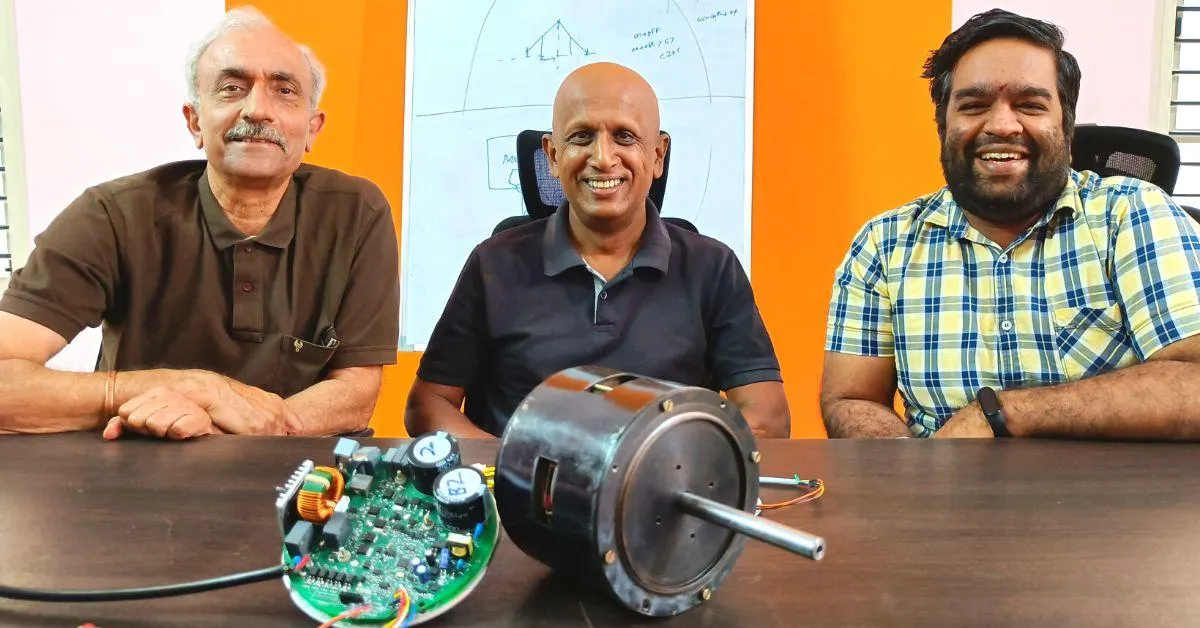
The push towards sustainable and environmentally friendly transportation has never been more urgent. As the world races to reduce carbon emissions and corporate investments in electric vehicles (EVs) surge, nations are increasingly focusing on innovations that can make EVs more sustainable, affordable, and resource-efficient. One promising area of technological advancement is the development of rare-earth-free electric vehicle motors. Recently, the Ministry of Heavy Industries announced plans to convene a crucial meeting aimed at fostering research and development efforts around these motors, a move that could reshape the future of electric mobility.
The Significance of Rare-Earth Elements in EV Motors and the Need for Alternatives
Traditional electric motors utilized in EVs rely heavily on rare-earth elements such as neodymium, dysprosium, and praseodymium. These materials are pivotal in manufacturing high-performance permanent magnets, which are essential for efficient motor operation. However, the extraction and refinement of rare-earth elements pose significant challenges:
- Environmental Concerns: Mining activities often lead to soil degradation, water pollution, and high energy consumption.
- Geopolitical Risks: The concentration of rare-earth reserves in certain regions, such as China, raises supply chain vulnerabilities and geopolitical concerns.
- Cost Fluctuations: Volatile market prices enhance economic uncertainties for manufacturers and consumers alike.
Counteracting these issues, researchers and industry leaders are investing in developing rare-earth-free motor technologies that can deliver comparable performance without the associated drawbacks. Such innovations could lead to more sustainable, cost-effective, and geopolitically resilient EV manufacturing practices.
The Ministry’s Initiative: A Step Towards Innovation
The recent announcement by the Ministry of Heavy Industries to hold a dedicated meeting indicates the government’s proactive stance on encouraging indigenous research and development in this sector. This gathering aims to:
- Evaluate Current Technologies: Review existing advancements in rare-earth-free motor designs.
- Promote Collaboration: Foster partnerships between government agencies, academia, and the private sector.
- Identify Funding Opportunities: Allocate resources and grants for relevant R&D initiatives.
- Set Strategic Goals: Formulate clear, achievable milestones to accelerate commercialization of these motors.
By instigating such a comprehensive dialogue, the government hopes to catalyze breakthroughs that will make EVs more accessible and less dependent on scarce natural resources. This initiative aligns with broader environmental goals and national priorities to reduce reliance on imports and foster technological self-sufficiency.
Current Developments and Potential Impact
Several research institutions and tech companies are already exploring alternative materials and motor designs, such as:
- Brushless DC motors that use ferrite magnets instead of rare-earth materials.
- Electromagnetic designs that optimize flux paths to reduce the need for high-performance magnets.
- Composite materials and innovative manufacturing techniques to improve efficiency.
As these technologies mature, the anticipated benefits include:
- Reduced manufacturing costs, making EVs more affordable for consumers.
- Enhanced supply chain resilience, minimizing risks posed by geopolitical conflicts or export restrictions.
- Environmental sustainability, by decreasing the ecological footprint of motor production.
- Long-term resource security, ensuring the continuous availability of critical materials.
Challenges Ahead
While the prospects are promising, several hurdles need to be addressed:
- Technical Hurdles: Achieving comparable efficiency and power density without rare-earth magnets remains challenging.
- Manufacturing Scalability: Transitioning from prototype to mass-produced models requires overcoming manufacturing and quality assurance hurdles.
- Industry Adoption: Convincing automakers to switch to new motor designs involves substantial R&D investments and regulatory approvals.
- Standards and Regulations: Developing industry standards for rare-earth-free motors is essential to ensure safety, reliability, and interoperability.
The Road Ahead: Strategic Considerations
To maximize the impact of this government initiative, a strategic approach should include:
- Encouraging Innovation Ecosystems: Support startup incubators, research grants, and industry consortia dedicated to electric motor innovation.
- International Collaboration: Engage with global research bodies working on similar initiatives to share knowledge and best practices.
- Policy Incentives: Offer subsidies or tax benefits to manufacturers adopting rare-earth-free technologies.
- Public Awareness: Educate consumers and stakeholders about the benefits of sustainable and resource-efficient EV technology.
Conclusion: Toward a Sustainable Electric Mobility Future
The government’s move to assemble a focused task force on rare-earth-free EV motors marks a significant step toward sustainable transportation. It signals recognition of the need to address resource constraints, environmental concerns, and geopolitical dependencies that threaten the scalability of EV technology. By fostering innovation through collaborative efforts, the nation can pave the way for a cleaner, greener, and more resilient electric vehicle industry—yet this will require concerted efforts across multiple sectors.
As research progresses and technologies mature, we can expect a future where electric vehicles are not only environmentally friendly but also more affordable and less dependent on limited natural resources. This initiative might inspire other countries to follow suit, accelerating the global shift toward sustainable mobility solutions.
For more updated news please keep visiting Hourly Prime News.