

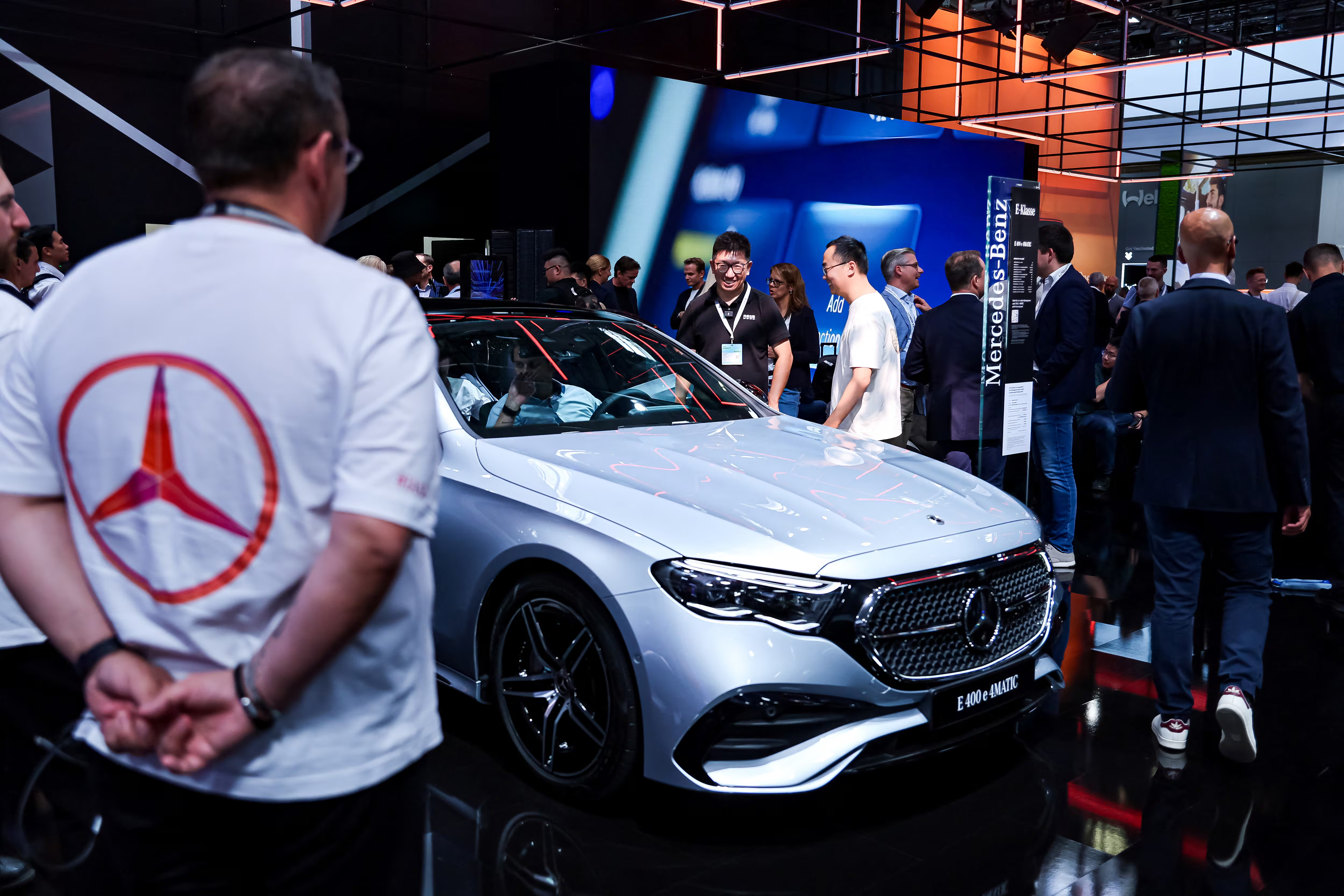
The automotive industry is on the cusp of a remarkable transformation, driven by cutting-edge technology, sustainability initiatives, and shifting consumer expectations. Recently, the CEO of Mercedes-Benz offered invaluable insights into what the future holds for the car industry, sharing key trends and innovations that will define the next era of mobility. This article delves into these revelations, exploring the strategic directions Mercedes is pioneering and how they align with the broader evolution of the automobile landscape.
Understanding the Future of Mobility: Key Insights from Mercedes CEO
In an exclusive interview with Euronews, Mercedes-Benz’s leadership shed light on the company’s vision and strategic plans. The conversation revolved around three main questions that encapsulate the future of the automotive industry:
- What are the primary technological innovations shaping the future of cars?
- How is Mercedes addressing sustainability and environmental concerns?
- What customer trends and preferences are influencing new automotive developments?
These questions are not just theoretical—they reflect real-world advancements and adjustments that car manufacturers like Mercedes-Benz are implementing today, setting the stage for a revolutionary future.
Major Technological Innovations on the Horizon
Electrification and Beyond
Mercedes-Benz is positioning itself at the forefront of electrification, with ambitious plans to electrify its entire lineup. The CEO emphasized that the evolution of electric vehicles (EVs) is more than just replacing internal combustion engines; it involves an integrated approach to power management, charging infrastructure, and energy efficiency.
The company is investing heavily in developing high-capacity batteries that promise longer range and faster charging times. Furthermore, Mercedes is exploring innovative solutions like solid-state batteries, which could revolutionize EV technology by offering greater energy density, improved safety, and reduced costs.
Autonomous and Connected Vehicles
Another pivotal innovation is the development of autonomous driving technology. Mercedes-Benz envisions a future where vehicles are not only self-driving but also highly interconnected via the Internet of Things (IoT). This connectivity allows cars to communicate with each other and with infrastructure, enhancing safety and efficiency.
Advanced driver-assistance systems (ADAS) are already paving the way towards fully autonomous vehicles. The Mercedes CEO highlighted ongoing investments in AI-driven systems that can adapt to complex driving environments, making autonomous driving safer and more reliable.
Enhanced User Experience through Digitalization
Digital interfaces and smart features are becoming central to automotive design. Mercedes is integrating augmented reality displays, voice control, and personalized AI assistants into its vehicles. This digitalization aims to create seamless, intuitive user experiences that cater to individual preferences and habits.
Sustainability and Environmental Commitments
Zero-Emission Vehicles
Sustainability is at the core of Mercedes-Benz’s future strategy. The CEO reaffirmed the company’s commitment to achieving a carbon-neutral footprint by 2039 across its entire value chain. This means increased focus on electric mobility, renewable energy use in manufacturing, and responsible sourcing of materials.
Innovative Manufacturing Processes
Mercedes is pioneering eco-friendly manufacturing techniques, such as using recycled materials for vehicle components and optimizing energy consumption in factories. The company is also exploring sustainable alternatives to traditional materials, such as bio-based plastics and lightweight composites to reduce vehicle weight and enhance efficiency.
Strategic Collaboration for Sustainability
- Partnerships with renewable energy providers to power manufacturing facilities
- Collaborations with raw material suppliers to ensure responsible sourcing
- Participation in industry-wide initiatives to promote circular economy practices
These initiatives demonstrate Mercedes’ proactive stance in reducing environmental impacts while maintaining high standards of quality and innovation.
Shifting Consumer Preferences Influence New Developments
Demand for Personalization and Connectivity
Modern consumers seek vehicles that reflect their personalities and integrate seamlessly with their digital lifestyles. The CEO stated that Mercedes is focusing on delivering highly customizable options and connectivity features that allow users to personalize lighting, seat configurations, infotainment, and other experiential elements.
Emphasis on Safety and Reliability
Another trend shaping the industry is increased consumer demand for safety. Mercedes is leveraging advanced sensors, AI, and real-time data analytics to enhance safety features and reduce accidents. The goal is to create vehicles that proactively prevent incidents and protect occupants at all times.
Growth of Electric and Hybrid Options
While EVs are gaining popularity, hybrid vehicles remain relevant for consumers seeking flexibility. Mercedes continues to develop plug-in hybrid models that offer a bridge between traditional combustion engines and fully electric systems, catering to varied preferences and regional regulations.
The Business and Industry Implications
The insights shared by Mercedes’ CEO underscore a broader industry shift towards sustainability, connectivity, and technological sophistication. Automakers must adapt quickly to stay competitive, invest in disruptive technologies, and prioritize environmental stewardship.
Mercedes-Benz’s strategic moves exemplify a comprehensive approach that combines innovation with responsibility. By focusing on electrification, autonomous driving, and sustainable manufacturing, the brand aims to lead the industry’s transition into a new era of mobility that is smarter, safer, and more eco-friendly.
Conclusion
As the automotive world evolves at a rapid pace, the visions articulated by Mercedes-Benz’s CEO provide a compelling glimpse into the future. The focus on cutting-edge technology, sustainable practices, and customer-centric innovations signals a transformative period for automakers worldwide.
From pioneering electric and autonomous vehicles to embracing digital experiences and environmentally conscious manufacturing, Mercedes-Benz is committed to shaping the future of mobility in a way that balances innovation with responsibility.
Consumers, investors, and industry stakeholders should stay attentive to these developments, as they will undoubtedly influence new standards, regulations, and expectations in the global car industry.
Final Thoughts
As Mercedes continues to push the boundaries of automotive innovation, the underlying message is clear: the future of driving is electric, autonomous, and sustainable. The company’s strategic vision not only aims for technological leadership but also emphasizes its responsibility towards a greener planet and safer roads for everyone.
For more updated news please keep visiting Hourly Prime News.