

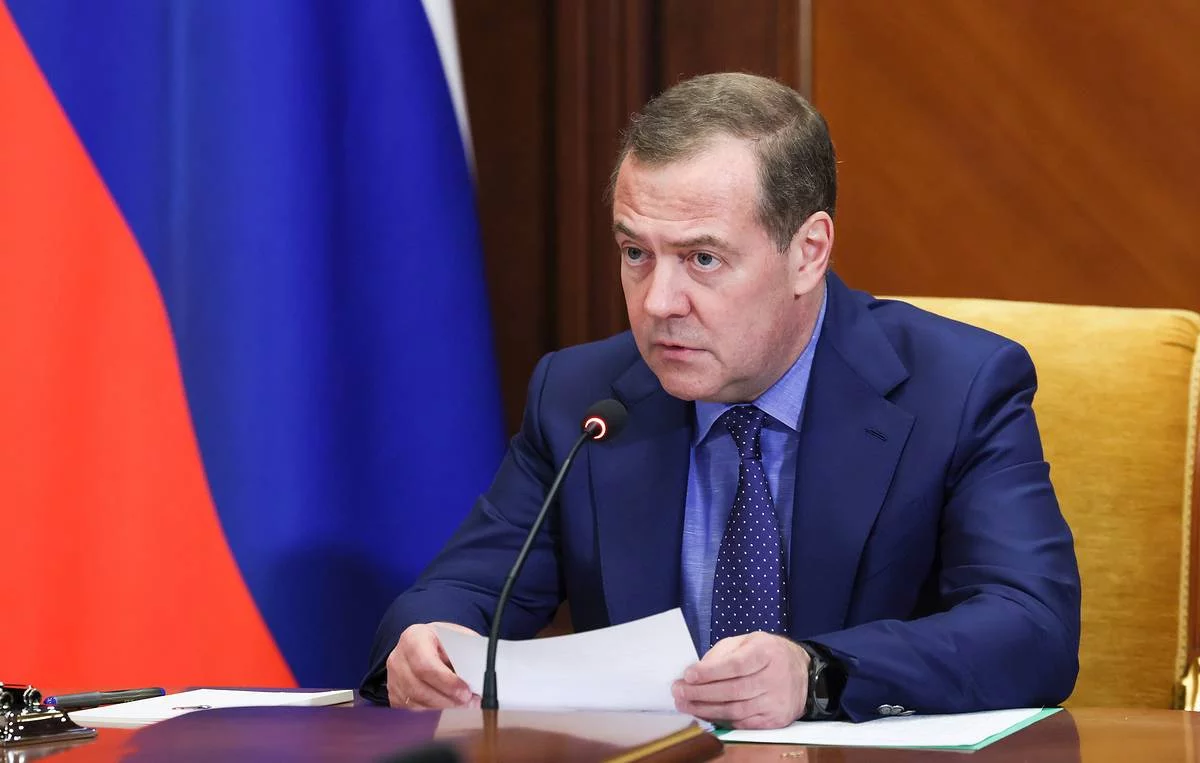
In recent weeks, the international political landscape has been fraught with heightened tensions, primarily driven by statements and strategic moves from the top leaders of major powers. Among these, the provocative remarks by Russia’s former President and current Security Council Deputy Chairman, Dmitry Medvedev, have ignited fresh debates and sharpened the global focus on escalating conflicts. At the center of this discourse is Medvedev’s stark “ultimatum game,” which has not only drawn sharp criticism but has also incited a furious response from former U.S. President Donald Trump.
What Did Medvedev Say? The Context Behind the Provocation
According to reports from Hindustan Times, Medvedev made an ominous statement that was interpreted as conveying a warning or a potential threat to the West and the United States. While the exact wording of his remarks remains core to the controversy, his overall tone suggested a readiness to escalate hostilities if Western nations continue their current policies. Medvedev’s language implied that Russia is prepared to take unprecedented measures, effectively handing down an “ultimatum” to the West regarding ongoing sanctions, military aid to Ukraine, and geopolitical sanctions.
This remark was perceived as a strategic move, possibly aimed at deterring Western interference in Russia’s regional interests, especially concerning the Ukraine conflict. The Kremlin’s stance, as echoed in various reports from The Guardian, indicates a belief that Russia has achieved a level of “immunity” to certain sanctions, making aggressive posturing a plausible response to Western pressure.
The Reacting Figures: Trump’s Outrage and International Echoes
Former U.S. President Donald Trump’s reaction to Medvedev’s ‘ultimatum game’ was swift and pronounced. As covered extensively by Hindustan Times, Trump condemned Medvedev’s statements, citing them as dangerous and reckless. He accused Russia of trying to intimidate the West and warned of severe repercussions if Russia continued down this path.
Adding fuel to the fire, Trump recently issued a stark warning: “Russia faces tariffs in 10 days if no progress is made on ending Ukraine war,” according to NDTV. This announcement underscores Trump’s stance that aggressive posturing by Russian officials should be met with firm economic sanctions, highlighting the ongoing economic and military standoff.
Moreover, Trump’s rhetoric appears to be part of a broader strategy to assert U.S. dominance and influence, particularly in the context of lingering tensions over Ukraine. His emphasis on imposing new tariffs signals a hardline approach, possibly aimed at drawing a clear line in the sand.
The Strategic Implications of Medvedev’s Ultimatum
Medvedev’s remarks have opened a Pandora’s box of geopolitical dangers. The notion of an “ultimatum” from a senior Russian figure suggests that Moscow is willing to escalate conflicts further, possibly including nuclear posturing or other military responses, should Western pressures persist. His statement is perceived by analysts as an attempt to assert Russia’s strength and deter Western intervention, especially related to sanctions or aid to Ukraine.
- Russia’s assertion of immunity: As per reports from The Indian Express, Kremlin has made it clear that it considers itself immune to certain US sanctions, a notion that complicates diplomatic efforts to de-escalate the crisis.
- Oil markets react: According to Reuters, global oil prices surged over 1%, reflecting investor concern about potential escalations and the impact on energy supplies.
- U.S.-Russia economic sanctions: As reported, the U.S. and other Western nations are contemplating further sanctions, but Russia claims to be resilient, which could lead to a prolonged standoff.
The Broader Conflict and Ongoing Ukraine Crisis
The Ukraine war remains the focal point of this geopolitical clash. Kremlin’s recent statements about “immunity” to sanctions come amid fears of a new wave of tariffs and trade restrictions if diplomatic efforts fail. Trump’s warning about tariffs indicates that the conflict could soon involve economic warfare, further complicating peace efforts.
Trends from The Guardian suggest that despite international pressure, Moscow feels emboldened, possibly emboldened by the perception that Western sanctions and diplomatic isolation have failed to cripple Russia’s strategic objectives.
Furthermore, reports indicate that Russia is doubling down on its military presence in Ukraine, with recent reports from NDTV emphasizing that “Russia faces tariffs in 10 days if no progress on ending Ukraine war.” This escalation foreshadows a potentially prolonged conflict that could destabilize the geopolitical equilibrium for years to come.
Global Economic and Political Ramifications
The rising tensions aren’t limited to military or diplomatic spheres — they have a profound impact on the global economy. As Reuters highlights, investors are weighing Trump’s Russia stance and tariff threats, which have led to increased volatility in energy markets and currency fluctuations. Oil prices rising over 1% demonstrate market anxiety about a possible escalation in conflict, which could disturb global supply chains.
Additionally, the threat of tariffs and sanctions complicates international trade, impacting everyday economies around the world. Countries are walking a tightrope: balancing their diplomatic relations with Russia and invoking measures that may escalate or de-escalate the crisis.
World leaders are watching with bated breath, trying to navigate their strategic interests amid this tense stand-off, which underscores the fragility of current international peace and stability.
The Future Outlook: Will Diplomacy Prevail?
Given the severity of Medvedev’s “ultimatum” and Trump’s retaliatory threats, the path forward appears fraught with uncertainty. Diplomatic negotiations seem increasingly difficult as both sides prepare for potential escalation. Yet, many international observers hope that dialogue and diplomacy can still prevail, preventing a broader conflict.
However, the narrative from Russia, as seen through the Kremlin’s comments about immunity to sanctions, indicates a mindset prepared for prolonged confrontation. This raises critical questions about whether the global community can contain the tensions or if a new phase of confrontation, possibly involving cyber warfare, economic sanctions, or military posturing, is inevitable.
Leaders worldwide must now navigate these perilous waters, balancing deterrence with diplomacy, in the hope of avoiding a catastrophic escalation that could reshape global geopolitics for decades to come.
Conclusion
The recent comments from Dmitry Medvedev have undoubtedly added fuel to an already volatile geopolitical fire, igniting fierce debates and provocative responses from leaders like Donald Trump. This clash of rhetoric underscores the fragile state of international relations, especially amid the ongoing Ukraine conflict and broader tensions with Russia. The “ultimatum game” played by Medvedev, coupled with Trump’s aggressive warnings, exemplifies the complex dance of diplomacy, deterrence, and power projections.
As the world watches closely, the stakes have never been higher. The coming weeks will likely determine whether diplomacy can turn the tide or if the path to renewed conflict becomes increasingly unavoidable.
For more updated news please keep visiting Hourly Prime News.