

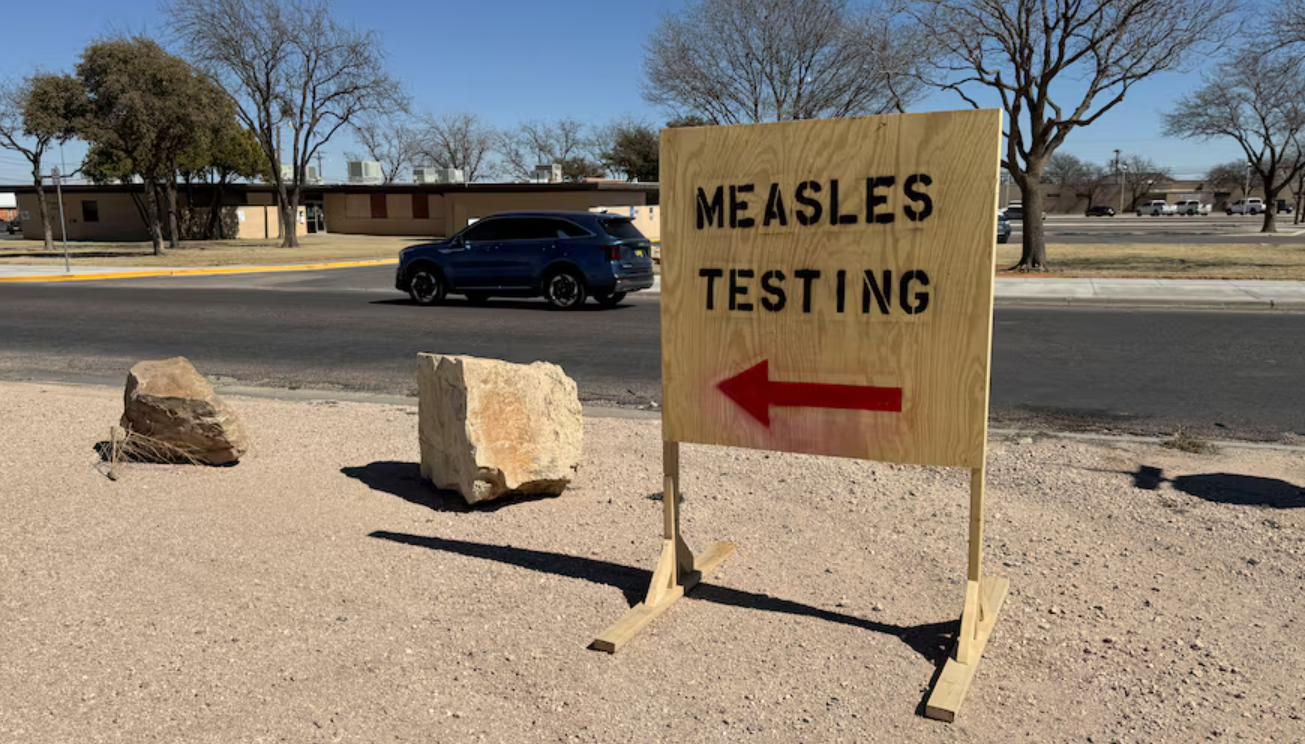
Introduction: A Resurging Threat in Public Health
The United States, once declared free of endemic measles transmission in 2000, is currently witnessing an alarming rise in measles cases, marking the highest level since the disease was declared eliminated. This resurgence signals a critical public health concern. Despite the availability of a safe and effective vaccine, recent data indicate that measles is making a significant comeback, fueled by a combination of vaccine hesitancy, misinformation, and outbreaks in pockets of unvaccinated populations.
The Historical Context: From Elimination to Resurgence
Measles was once a widespread and deadly disease affecting children and adults alike. Thanks to rigorous vaccination programs, the U.S. declared the disease eliminated in 2000, meaning there was no continuous disease transmission for over a year. However, this milestone did not mean the threat was eradicated entirely but rather controlled. Since then, sporadic outbreaks have occurred, mostly due to imported cases from regions where measles remains endemic.
Recently, however, the pattern has shifted dramatically. The latest statistics reveal that the number of cases is now at the highest point in more than two decades. According to NBC News, the current figures surpass previous outbreaks, emphasizing that measles is once again a serious concern within American borders. This resurgence underscores vulnerabilities in vaccination coverage and highlights the importance of maintaining herd immunity.
The Current Situation: Unprecedented Rise in Cases
As per recent reports, the United States has experienced a surge in measles cases that surpasses levels seen since 2000. The CDC and health authorities document hundreds of cases across multiple states, with some outbreaks linked to large communities and even transient populations. This rise is a stark reminder that measles remains highly contagious and that gaps in immunization can have severe consequences.
According to NBC News, many of these cases are concentrated in areas with low vaccine coverage, often due to opposition to vaccination or misinformation about vaccine safety. While the overall vaccination rate remains high in many parts of the country, these clusters become hotspots where the virus can spread rapidly.
Factors Contributing to the Resurgence
The reasons behind the recent surge in measles cases are multifaceted and complex. Some of the primary factors include:
- Vaccine Hesitancy: A growing movement fueled by misinformation about vaccine safety has led some parents to delay or refuse vaccinations for their children.
- Increased Misinformation: False claims about vaccines causing autism or other adverse effects have eroded trust in immunization programs.
- Gaps in Healthcare Access: Vulnerable populations with limited access to healthcare services are less likely to be vaccinated.
- Global Travel and Importation: The ease of international travel means that measles cases imported from endemic regions can spark local outbreaks.
- Outbreaks in Specific Communities: Certain communities, whether due to cultural beliefs or misinformation, show lower vaccination rates, creating fertile ground for the virus to spread.
The Impact of Reduced Vaccination Coverage
The decline in vaccination rates in certain regions has had tangible consequences. When a significant fraction of the population is unvaccinated, herd immunity weakens, allowing highly contagious viruses like measles to spread. The herd immunity threshold for measles is notably high—around 95%—owing to its infectivity. Falling below this threshold results in increased outbreaks and outbreaks, putting vulnerable groups such as infants too young to be vaccinated, immunocompromised individuals, and pregnant women at risk.
This situation is compounded by the persistence of vaccine misinformation, which continues to influence public perception negatively. Some communities’ skepticism about vaccine safety has led to vaccine coverage dropping to levels where measles transmission becomes possible again.
Public Health Response and Strategies
The resurgence has prompted urgent responses from health authorities across the country:
- Enhanced Vaccination Campaigns: Public health agencies are intensifying efforts to vaccinate unprotected individuals, especially in outbreak zones.
- Addressing Misinformation: Campaigns aimed at debunking myths and providing factual information about vaccine safety are underway.
- Community Engagement: Local health departments are working with community leaders to increase vaccination acceptance.
- Monitoring and Surveillance: Improved tracking of cases enables quicker responses to prevent further spread.
- Policy Measures: Some regions are considering or implementing policies to mandate vaccines for school entry, balancing individual rights with public health needs.
What Can Be Done to Prevent Further Outbreaks?
To curb the resurgence of measles and prevent future outbreaks, a multi-pronged approach is necessary:
1. Maintaining High Vaccination Rates: Ensuring that vaccination coverage remains above the herd immunity threshold is crucial. This involves addressing vaccine hesitancy through education and community engagement.
2. Combatting Misinformation: Providing clear, evidence-based information to the public about vaccine safety and efficacy is vital to rebuild trust.
3. Equitable Access to Vaccines: Making vaccines accessible to vulnerable and underserved populations can help close immunity gaps.
4. International Cooperation: Since measles is imported from other countries, strengthening global vaccination efforts is essential.
5. Staying Vigilant and Prepared: Surveillance systems must be maintained and improved to identify outbreaks early and respond swiftly.
Conclusion: A Call to Action
The recent rise in measles cases in the U.S. is a stark reminder that the battle against vaccine-preventable diseases is ongoing. Protecting our communities requires a collective effort—combining robust vaccination programs, public education, and proactive policies. The goal must be to sustain the progress made over the past decades and ensure that measles remains a disease of the past in the United States.
By taking decisive action now, we can prevent further outbreaks, safeguard vulnerable populations, and move closer to the ultimate goal of complete disease elimination.
Final Thoughts
Public health relies on community participation and trust. Addressing the resurgence of measles demands collaboration among government agencies, healthcare providers, educators, and the public. Preventing future outbreaks hinges on our collective commitment to vaccination and combating misinformation.
For more updated news please keep visiting Hourly Prime News.