

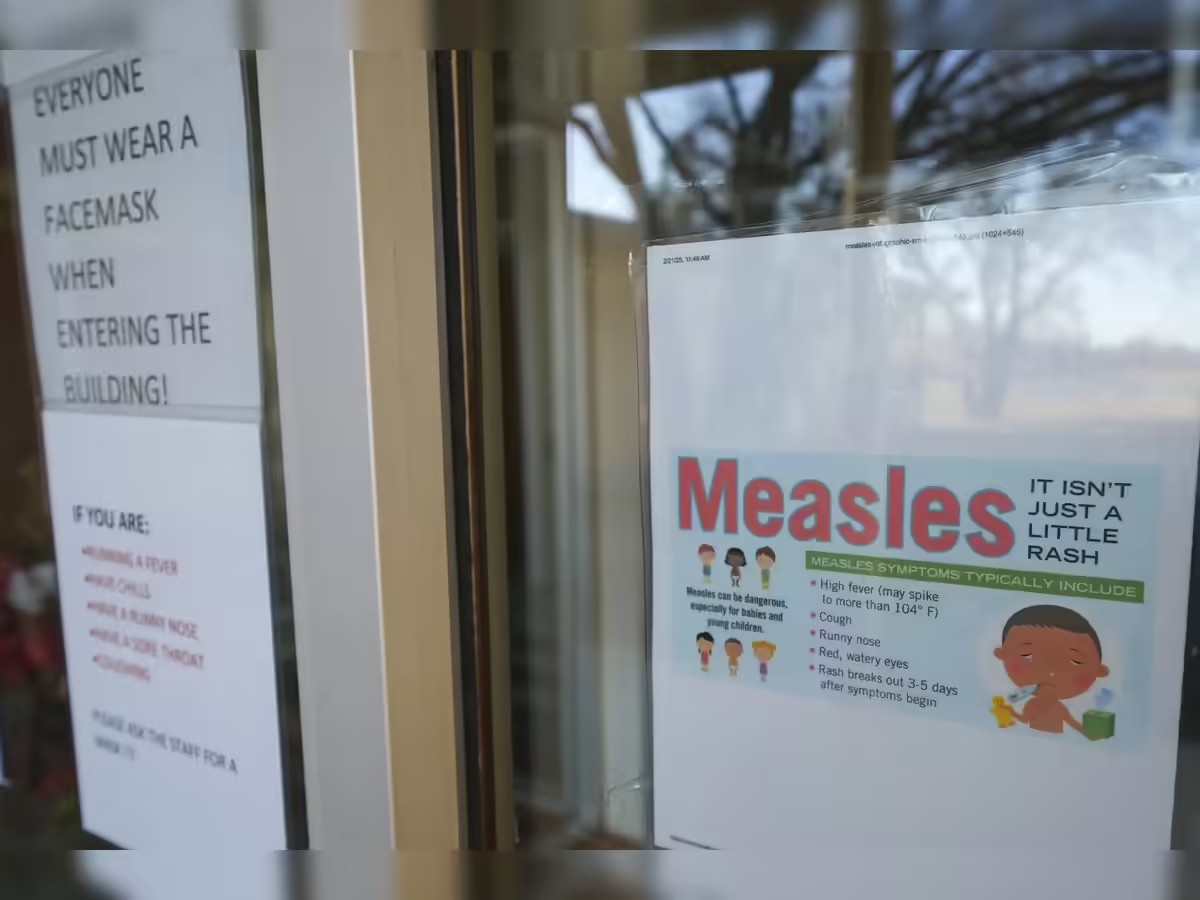
Introduction: A Resurging Crisis in Public Health
The recent surge in measles cases worldwide has alarmed health experts and policymakers, signaling a potential return to a pandemic level of threat not seen in over thirty years. According to the latest reports from World Health News and health authorities like the CDC, the number of measles infections has skyrocketed to a level that mirrors epidemiological patterns of the late 20th century. This resurgent outbreak not only endangers millions of children and vulnerable populations but also raises urgent questions about global vaccination efforts, healthcare preparedness, and the future trajectory of infectious diseases.
The Current State of the Global Measles Situation
Recent data indicates a **dramatic increase in measles cases**, with some regions experiencing outbreaks that surpass previous records. For instance, health agencies report that in 2023, the number of confirmed measles cases has exceeded the highest numbers seen in the last three decades. This alarming trend is compounded by challenges such as vaccine hesitancy, logistical issues in vaccine distribution, and gaps in healthcare infrastructure, especially in low- and middle-income countries.
According to World Health News Live Updates, the resurgence of measles is not just a localized problem but a global crisis. Countries across Africa, Asia, and even in parts of Europe are witnessing outbreaks that threaten to undo years of progress made in controlling the disease. Experts warn that unless swift and coordinated action is taken, the risk of a new pandemic becomes increasingly plausible, reminiscent of the devastating impacts of COVID-19.
Why Has Measles Made a Comeback?
Several factors have contributed to the alarming rise in measles cases:
- Vaccine Hesitancy: Misinformation and mistrust in vaccines have led to declining immunization rates in many communities. This affects herd immunity and allows the virus to spread more easily.
- Disrupted Healthcare Services: The COVID-19 pandemic strained healthcare systems worldwide, causing delays in vaccination campaigns and routine immunizations.
- Access Issues: Remote and conflict-affected areas face significant hurdles in vaccine delivery, resulting in pockets of unvaccinated populations vulnerable to outbreaks.
- Global Travel: Increased international travel has facilitated the spread of measles across borders, accelerating outbreaks in regions previously declared measles-free.
Health officials emphasize that the combined effect of these factors creates a perfect storm, setting the stage for a resurgence that could overwhelm existing healthcare capacities.
Potential for a New Pandemic?
The resurgence of measles has led many experts to sound the alarm about the possibility of another pandemic. Unlike COVID-19, measles is highly contagious—spreading through respiratory droplets and requiring a **high immunization coverage to keep it in check**. When vaccination rates decline below the necessary threshold, the virus can quickly spread through communities, especially among unvaccinated children.
The CDC warns that if current trends continue, we might see outbreaks intensify, leading to increased hospitalizations, complications such as pneumonia, encephalitis, and even death. The potential for widespread transmission underscores the importance of immediate, large-scale immunization drives.
### Key parallels between measles resurgence and pandemic risks include:
– Rapid spread in undervaccinated populations
– Overburdened health infrastructure
– Significant societal and economic impacts
– The challenge of misinformation hindering public health measures
Thus, experts caution that without proactive measures, the world risks facing a crisis akin to, or even more severe than, previous pandemics.
Impact of the Outbreak on Vulnerable Populations
Measles most severely affects children under five, pregnant women, immunocompromised individuals, and those with limited access to healthcare. The recent increase in cases is especially dangerous because:
- Hospitalizations: Higher hospitalization rates due to complications like severe diarrhea, dehydration, and secondary infections.
- Mortality: Although rare in developed countries thanks to vaccination, mortality rates can climb sharply in underserved regions.
- Long-term Effects: Survivors, particularly children, may suffer from lifelong complications such as vision loss and neurological damage.
The social and economic repercussions also ripple outwards. Families face increased healthcare costs, and when children are ill, parents often need to miss work, contributing to economic instability.
Prevention Strategies and The Path Forward
Preventing a full-scale resurgence requires a multifaceted approach:
- Mass Immunization Campaigns: Updating and intensifying vaccination drives, especially in high-risk regions, is crucial. WHO and CDC advocate for **catch-up vaccination programs** to cover unvaccinated populations.
- Combating Misinformation: Public health authorities need to engage communities, dispel myths about vaccines, and provide transparent information to encourage vaccine uptake.
- Strengthening Healthcare Systems: Improving infrastructure, supply chains, and healthcare access will help ensure vaccines reach every corner of the world.
- Monitoring and Surveillance: Real-time disease tracking can aid in rapid response efforts, containment, and resource allocation.
### Community engagement and international cooperation are pivotal for effective response. The lessons learned from the COVID-19 pandemic should inform strategies to prevent measles from spiraling into another health crisis.
Global Response and What Challenges Lie Ahead
While international agencies and governments are ramping up efforts, several challenges remain:
– **Vaccine hesitancy** fueled by misinformation campaigns
– **Logistical hurdles** in delivering vaccines to remote areas
– **Limited healthcare workforce** in underdeveloped regions
– **Political instability and conflicts** disrupting vaccination programs
Achieving high vaccination coverage requires commitment beyond public health agencies—political will, community trust, and sustained funding are essential.
Conclusion: The Urgency of Swift Action
The surging measles cases serve as a stark reminder that infectious diseases remain a persistent threat and that vigilance is vital. The current outbreak not only threatens the health of millions but also underscores the importance of a united global effort to prevent another pandemic scenario. Addressing vaccine hesitancy, strengthening healthcare infrastructures, and ensuring equitable vaccine access are fundamental steps in safeguarding future generations.
As history has shown, infectious diseases can resurface when least expected, often with devastating consequences. The world must act decisively now to stem the tide of measles and prevent it from becoming a harbinger of a new pandemic era.
—
For more updated news please keep visiting Hourly Prime News.