

Market Performance and Investor Sentiment
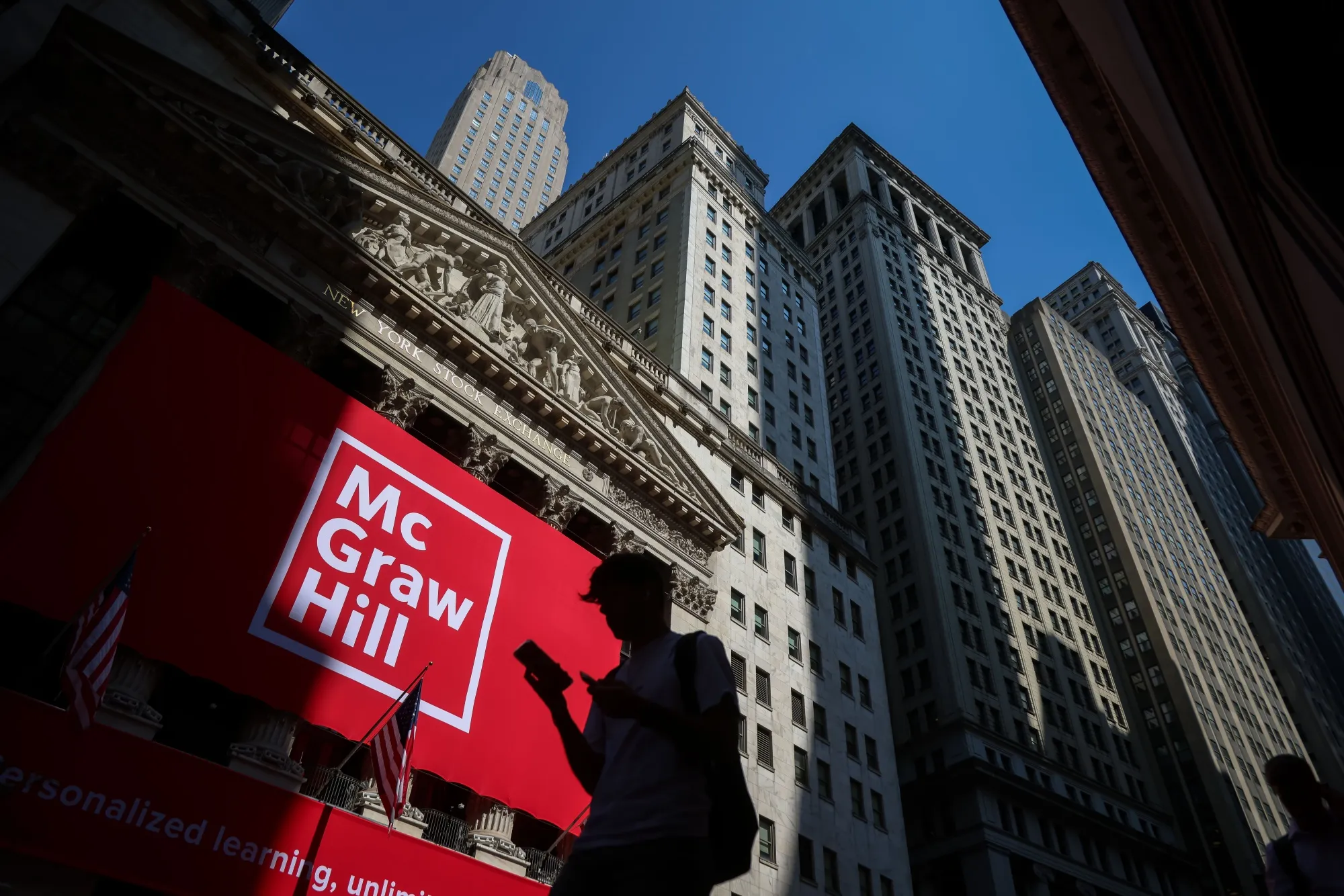
In the recent days, McGraw Hill made its much-anticipated debut on the New York Stock Exchange (NYSE). However, the initial trading session failed to ignite the enthusiasm that many had predicted. Instead of witnessing a sharp surge or notable volatility, the shares remained largely flat, reflecting what some analysts describe as a muted debut. This lack of upward momentum has left investors and market watchers pondering the underlying factors behind the unimpressive debut.
The Context of the Debut
For a company like McGraw Hill, a storied publisher with a rich history in education and professional publishing, a NYSE listing was seen as a significant milestone. It marked a step towards expanding their capital base and gaining increased visibility among institutional and retail investors. Despite this, the market’s response was tepid. The stock opened at a price close to the expected valuation but failed to gain any substantial ground during the day, ending flat or slightly below the opening price.
This kind of performance is often disheartening for company executives and stakeholders who had hoped for a robust debut that could energize future trading and investor confidence. Instead, the subdued trading signals a cautious attitude among investors or possibly lingering concerns about the company’s growth outlook and broader market conditions.
Factors Contributing to the Lackluster Trading
Market Conditions and Broader Economic Environment
The overall market environment at the time of McGraw Hill’s debut was characterized by increased volatility and uncertainty. Inflationary pressures, interest rate hikes, and geopolitical tensions have kept investor sentiment cautious. In such a climate, even companies with stable fundamentals may find their offerings less attractive, leading to muted trading activity.
Valuation and Investor Expectations
Another key factor is the valuation placed on McGraw Hill ahead of its debut. While the company aimed to capitalize on its long-standing reputation and steady revenue streams, some investors felt the offered price was either overvalued or not compelling enough to trigger significant buying interest. This disparity between perceived valuation and investor appetite often results in a flat trading debut.
Industry Headwinds and Market Perception
The publishing and education sectors have faced ongoing challenges, including digital transformation, changes in consumer preferences, and competition from tech-driven education platforms. Such headwinds may have contributed to investor hesitance, with some viewing the company’s prospects as less explosive than other IPO candidates in more dynamic sectors.
Implications for McGraw Hill and Future Outlook
While a muted debut may seem discouraging, it does not necessarily spell doom for the company’s future prospects. Companies often use their initial trading sessions as a barometer of investor interest, but long-term performance depends on their fundamentals and strategic execution.
- Stability Over Swagger: The flat performance suggests a potential for stability, with investors perhaps waiting to see how the company performs amid broader market trends before making significant moves.
- Focus on Fundamentals: McGraw Hill’s resilient revenue streams and leadership in specialized publishing niches could serve as a foundation for future growth, regardless of an unremarkable debut.
- Potential for Volatility Down the Line: As more institutional investors assess the company’s long-term strategies, the stock could see increased volatility or upward momentum, especially if positive earnings reports come in.
Lessons and Moving Forward
The debut of a public company is often viewed as a critical moment that captures market sentiment and investor confidence. McGraw Hill’s experience underscores the importance of market timing, investor perception, and broader economic factors.
For emerging companies planning to go public, it stresses the need for thorough market analysis and possibly adjusting valuation expectations to align with current investor sentiment. Equally important is transparent communication about strategic plans to assure stakeholders of sustainable growth prospects, especially in challenging industries.
Conclusion
The flat trading performance of McGraw Hill post-NYSE debut highlights the complexities of the current market landscape. While the company’s long-term trajectory remains promising, especially given its niche expertise and market position, external factors such as economic uncertainty and industry headwinds have muted investor enthusiasm in the short term.
As the market evolves, McGraw Hill and similar firms may find opportunities to leverage their core strengths, innovate within their sectors, and eventually attract more investor confidence. For now, the company’s subdued debut serves as a reminder that market performances are influenced by a complex interplay of internal strategies and external economic conditions.
Ultimately, a muted debut should not be seen as a failure but as part of the broader narrative of strategic positioning in a cautious market environment. Investors and company leaders alike will be watching closely how McGraw Hill navigates the coming months and demonstrates its value beyond a single trading day.
For more updated news please keep visiting Hourly Prime News.