

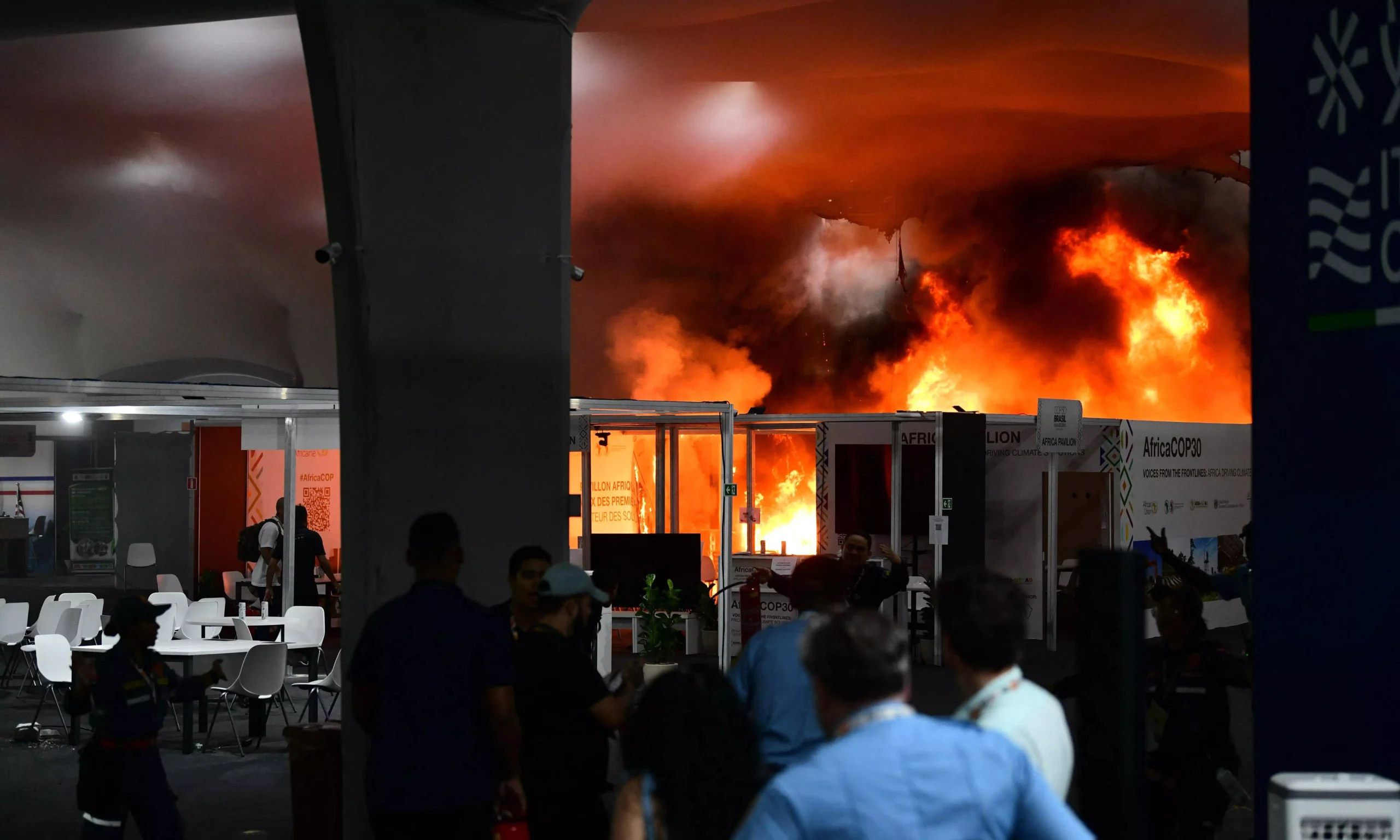
The recent fire at the UN COP30 Climate Summit in Brazil has sent shockwaves through the environmental and diplomatic communities worldwide. The incident resulted in injuries to over 20 individuals and led to the evacuation of thousands of delegates and visitors. While initial reports described the event as a large-scale blaze with significant smoke and chaos, emerging evidence and investigations suggest a more intriguing possibility: that the fire may have been triggered by a microwave-related incident. This theory, supported by various eyewitness accounts and expert opinions, opens new dimensions in understanding how technology might inadvertently cause such catastrophic events during high-profile international gatherings.
Details of the Incident
The fire erupted suddenly during the afternoon sessions of the COP30 summit in Brazil, causing immediate chaos. Video footage and witness testimonies depict a scene filled with billowing smoke, crackling flames, and the frantic scrambling of delegates trying to evacuate from the venue. Sirens blared as emergency responders rushed to contain the fire, which eventually burned a significant portion of the conference hall structure. The incident led to injuries among at least 21 individuals, mostly due to smoke inhalation and minor burns, while thousands were evacuated from the premises to ensure safety.
Most reports concur that the fire’s origin was initially unspecified, with investigators probing all possible causes, from electrical faults to sabotage. However, an unusual pattern emerged through analysis of the event, leading some experts and eyewitnesses to hypothesize that the actual cause might be related to microwave technology.
The Microwave Hypothesis: What Is It?
Microwave incidents as a cause for fires are not common but are documented in rare scenarios involving improper handling or unintended exposure to high-power microwave sources. Such technology, when malfunctioning, can generate intense heat capable of igniting combustible materials. The hypothesis circulating among certain sources suggests that the fire might have originated from, a microwave-powered device or a microwave transmission failure, which caused a localized ignition source within the venue.
This idea is bolstered by reports and videos which hint at an unusual electromagnetic disturbance prior to the fire ignition. Some witnesses have claimed hearing a ‘pop’ or a hum consistent with microwave device malfunctions just moments before the blaze started.
Supporting Evidence and Expert Opinions
- Eyewitness accounts describe a sudden surge of electrical activity and unexplained sparks in the vicinity of the area where the fire ignited.
- Technical assessments conducted by specialists point out that improper wiring or equipment capable of generating microwave radiation could, under rare circumstances, ignite combustible materials.
- Research on microwave-induced fires indicates that flammable substances near microwave transmission sources are susceptible to ignition if shielding or safety protocols are breached.
- Additionally, environmental conditions such as high humidity and the presence of combustible chemicals used in the venue’s infrastructure might have contributed to rapid fire spread if a microwave flare occurred.
Potential Technological Flaws and Risks
The incident raises questions about the preparedness and safety protocols surrounding high-tech equipment used in such large-scale international events. Modern conference centers often feature complex electrical systems, wireless communication devices, and electromagnetic equipment, increasing the risk of electromagnetic interference (EMI). If a malfunction or unexpected surge in microwave signals took place, it could have caused localized ignition.
Some experts caution that this incident highlights the importance of regular safety inspections and electromagnetic compatibility (EMC) testing for all electronic and microwave devices used in sensitive installations. Moreover, given the potentially destructive power of microwave radiation in specific scenarios, protocols must be established to prevent accidental triggers.
While the official investigation is ongoing, the possibility that this blaze was caused by a microwave incident underscores the necessity for heightened safety standards and comprehensive monitoring of electromagnetic sources during such significant events.
The Broader Implications of the Incident
The fallout from this incident extends beyond immediate safety concerns. It prompts a re-evaluation of the security measures and technological safeguards in large international summits. The incident also raises concerns about:
- Technological vulnerabilities in the infrastructure of conference venues
- Potential sabotage or malicious interference, although no evidence of intentional wrongdoing has been found yet
- Need for advanced fire detection systems capable of identifying non-traditional ignition sources such as electromagnetic pulses or microwave failures
- Importance of training on handling electromagnetic emergencies
Furthermore, the incident has sparked debate on whether emerging electromagnetic and microwave technologies could pose risks not just to infrastructure but also to human safety in high-stakes events like climate summits or diplomatic gatherings.
Responses and Future Precautions
In response to the fire, local authorities, emergency services, and summit organizers are working together to investigate the cause thoroughly. Measures under consideration include:
- Upgrading electrical and microwave equipment to meet stricter safety standards
- Implementing electromagnetic interference (EMI) shielding strategies
- Regular drills for dealing with electromagnetic fires or malfunctions
- Enhanced surveillance and monitoring of electromagnetic activity within venue premises
- Educational programs for staff and delegates about electromagnetic safety
These initiatives aim to prevent future incidents and ensure the safety of all participants, especially as technology becomes increasingly integrated into the infrastructure of international events.
Conclusion
The fire at the UN COP30 Climate Summit in Brazil marked a troubling incident with potential links to microwave technology failure. While further investigation is needed to confirm this theory, it raises critical questions about the safety and security of technological systems at major global gatherings. Understanding and mitigating the risks associated with microwave and electromagnetic devices is essential to safeguard human life and infrastructure in the future. As the world continues to adopt advanced technology, vigilance and proactive safety measures will be crucial in preventing similar incidents and ensuring that such pivotal conferences can proceed without unforeseen hazards.
For more updated news please keep visiting Hourly Prime News.