

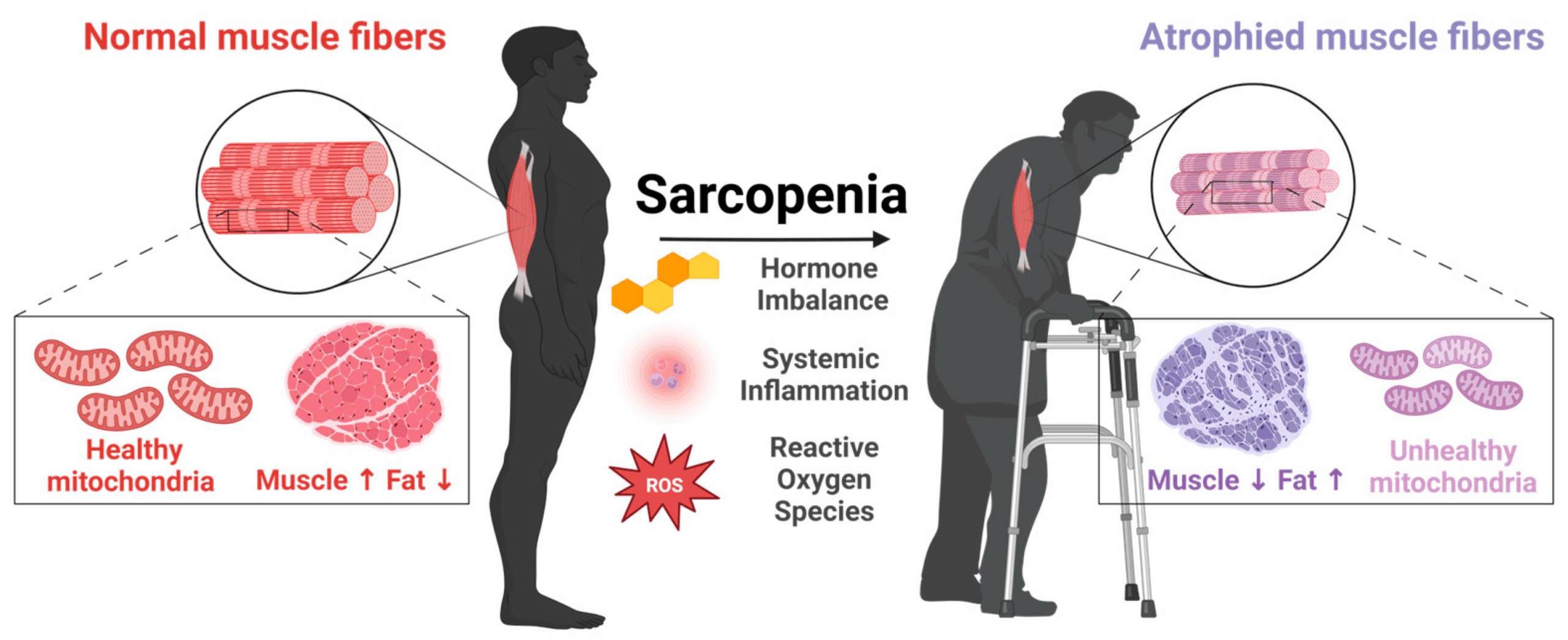
As the global population ages at an unprecedented rate, understanding the complex relationship between physical deterioration and cognitive decline has become increasingly crucial. Among the various age-related medical conditions, sarcopenia—defined as the progressive loss of skeletal muscle mass and function—stands out due to its profound impact on mobility, independence, and overall quality of life. Recent research highlights a compelling association between severe sarcopenia components and cognitive decline, emphasizing the need for an integrated approach to aging health issues.
Understanding Severe Sarcopenia and Its Components
What is Severe Sarcopenia?
Sarcopenia is not a singular condition but a syndrome characterized by multiple intertwined factors—including loss of muscle mass, strength, and physical performance. When these components reach critical thresholds, it is classified as severe sarcopenia, which significantly impairs daily functioning and increases vulnerability to adverse health outcomes. The European Working Group on Sarcopenia in Older People (EWGSOP) defines severe sarcopenia as the coexistence of low muscle mass, low muscle strength, and poor physical performance.
Key Components of Severe Sarcopenia
- Muscle Mass Loss: Reduction in skeletal muscle tissue measurable via imaging techniques, often linked to aging, nutritional deficiencies, and comorbid conditions.
- Muscle Weakness: Diminished muscle strength assessed through grip strength or lower limb strength tests, correlating with frailty.
- Impaired Physical Performance: Difficulties in mobility tasks such as walking speed, chair stands, and balance tests, reflecting functional decline.
The Association Between Severe Sarcopenia and Cognitive Decline
Emerging Evidence and Research Findings
A recent cross-sectional study published in Cureus has shed light on the significant link between components of severe sarcopenia and cognitive decline in older adults.
Correlations Identified
The research indicates that:
- Muscle Mass and Cognitive Function—a reduction in skeletal muscle mass correlates with diminished cognitive capacity, possibly due to shared neurodegenerative pathways or systemic inflammation.
- Muscle Weakness as a Predictor—low grip strength and lower limb strength are associated with increased risk of dementia and other cognitive impairments.
- Physical Performance Decline—impaired gait speed and balance issues not only reduce mobility but also serve as early markers of cognitive deterioration.
Mechanisms Underlying the Link
Inflammation and Neurodegeneration
The chronic low-grade inflammation present in sarcopenic patients, often termed ‘inflammaging,’ is suspected to contribute to neurodegeneration. Cytokines and inflammatory mediators released due to muscle loss can cross the blood-brain barrier, promoting neuroinflammation—an established factor in cognitive decline.
Shared Pathophysiological Pathways
- Hormonal Changes: Declines in anabolic hormones such as testosterone and growth hormone impact both muscle maintenance and brain health.
- Vascular Factors: Sarcopenia is associated with vascular risk factors like hypertension and atherosclerosis, which simultaneously impair cerebral blood flow.
- Physical Activity Levels: Reduced activity due to muscle weakness leads to decreased cognitive stimulation, creating a vicious cycle of decline.
Implications for Prevention and Management
Multidimensional Interventions
Addressing the interconnected issues of sarcopenia and cognitive decline requires a comprehensive approach, including:
- Exercise Programs: Resistance training and aerobic exercises have proven effective in improving muscle mass and cognitive functions simultaneously.
- Nutritional Strategies: Adequate protein intake, vitamin D supplementation, and anti-inflammatory diets can preserve muscle tissue and support brain health.
- Medical Management: Early screening for sarcopenia and cognitive impairment allows for timely interventions, including pharmacological therapies where appropriate.
Potential for Early Detection
Simple physical performance tests, such as gait speed assessments and grip strength measurements, can serve as accessible indicators for identifying individuals at risk of concurrent cognitive decline, facilitating early intervention strategies.
Future Directions and Research Needs
While current studies establish a noteworthy association, further longitudinal research is necessary to determine causality and explore whether improving sarcopenic components can attenuate or reverse cognitive decline. Additionally, deciphering the molecular mechanisms can lead to novel therapeutic targets.
Conclusion
The nexus between severe sarcopenia components and cognitive decline underscores an urgent need for integrated geriatric care. Recognizing sarcopenia as not merely a musculoskeletal issue but as a marker for broader neurodegenerative processes prompts healthcare providers to adopt a holistic approach to aging populations. Early detection and tailored interventions could potentially delay or prevent the progression of both physical and cognitive disabilities, thereby enhancing quality of life for older adults.
For more updated news please keep visiting Hourly Prime News.