

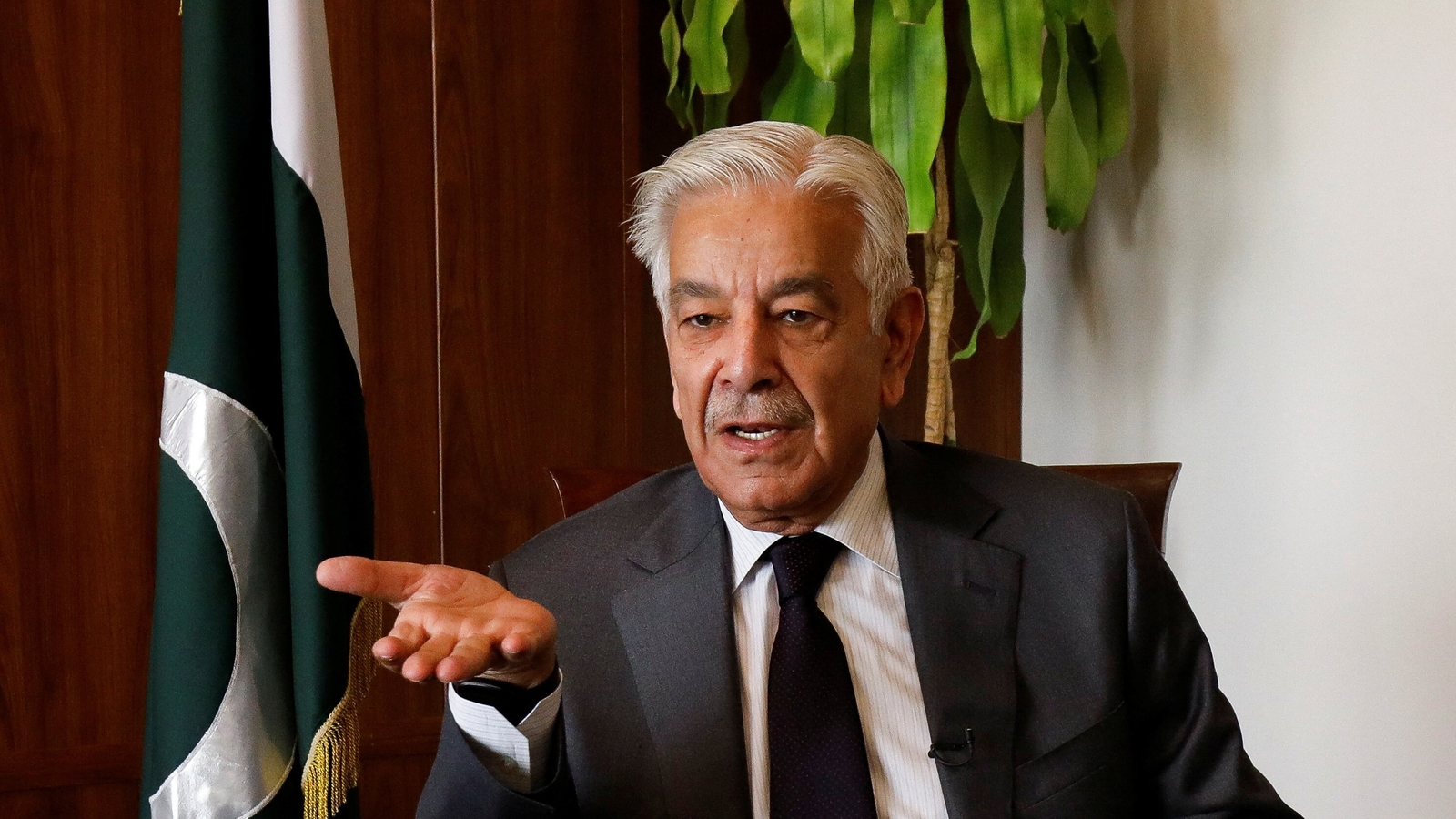
The geopolitical landscape of South Asia has recently been rattled by escalating tensions and failed diplomatic efforts between Pakistan and Afghanistan. At the heart of this upheaval is Pakistani Federal Minister Khawaja Asif’s recent confrontation with the neighboring nation, issuing a stern warning regarding the stalled negotiations and ongoing conflict scenarios. As the peace talks collapse and border tensions intensify, Khawaja Asif’s warning underscores the gravity of the current situation and the urgent need for renewed diplomatic engagement.
The Context of the Negotiations
Historically, Afghanistan and Pakistan share a complex relationship, marred by border disputes, crossing insurgencies, and political instability. Recent efforts aimed at restoring dialogue and forging peace saw a series of negotiations, but these have now hit a dead end. The recent reports suggest that despite repeated attempts, dialogue between the two nations has failed to produce tangible results, leading Khawaja Asif to issue a strong warning to Afghanistan.
This breakdown comes amid ongoing border clashes, insurgency concerns, and mutual accusations. While Pakistan has consistently called for stability and cooperation, it has also made clear that it will not tolerate threats to national security. The recent diplomatic standoff marked a significant deterioration in relations, prompting Pakistani officials to consider more assertive measures.
Khawaja Asif’s Warning: A Reflection of Rising Tensions
Explicit Threats and Calls for Accountability
- In a recent statement, Khawaja Asif explicitly warned Afghanistan about the consequences of continued unrest and lack of cooperation. He emphasized that Pakistan would be forced to adopt a more aggressive stance if peace and stability are not restored.
- He also warned against any provocative actions from Afghan territories, stressing that Islamabad holds Kabul responsible for border security breaches and militant incursions.
The Significance of the Warning
This warning is not merely rhetoric; it is a reflection of the increasing frustration felt by Pakistani leadership. The collapse of negotiations, along with border clashes and allegations of militant sanctuaries across the border, has pushed Pakistan to a point where diplomatic words are giving way to veiled threats. Khawaja Asif’s stance demonstrates that Pakistan is prepared to take stronger measures if the current deadlock persists.
Implications for Regional Stability
Potential for Escalation
The failure of diplomatic talks raises concerns about a possible escalation into broader conflict. Both nations accuse each other of aggression and border violations, which can trigger a cycle of retaliatory actions. Such escalation would not only destabilize Afghanistan and Pakistan but also threaten regional security, impacting neighboring countries like India, China, and Central Asian nations.
Impact on International Relations
The international community, especially major powers like the United States, China, and Russia, has been closely monitoring the situation. The collapse of negotiations threatens to undermine peace efforts in the region and could invite external actors to intervene or mediate. However, if Pakistan’s warning is ignored, regional cooperation in counter-terrorism and economic development could suffer, further complicating efforts to stabilize South Asia.
Border Clashes and Recent Events
Border tensions have sharply increased in recent months, with reports of deadly clashes and skirmishes. Pakistan claims that Afghan forces or militants have crossed into its territory, attacking border posts and civilian settlements. Conversely, Afghanistan accuses Pakistan of supporting insurgent groups and violating its sovereignty.
The situation has escalated to a point where multiple diplomatic channels have failed, and both sides are entrenched in their positions. These clashes not only threaten peace but also exacerbate humanitarian issues, forcing thousands of civilians to flee their homes amid violence.
Why Negotiations Collapsed
Key Factors Behind the Deadlock
- Mutual Distrust: Decades of conflict, suspicion, and unresolved issues have created a deep mistrust between Pakistan and Afghanistan, making negotiations difficult.
- Border Disputes: The Durand Line remains a contentious issue, with Afghanistan denying its legitimacy, complicating border management.
- Militant Sanctuaries: Both sides accuse each other of harboring insurgent groups, undermining peace efforts.
- External Influences: Foreign powers and regional actors have vested interests, often complicating the reconciliation process.
This combination of political, security, and diplomatic hurdles has led to the complete breakdown of talks, prompting Pakistan to warn of potential consequences if the impasse continues.
The Future Outlook and Recommendations
Moving forward, the key to avoiding further deterioration lies in renewed diplomacy, mutual trust-building, and addressing core issues such as border security and insurgency. Both nations should consider the following steps:
- Immediate Resumption of Dialogue: Establishing a neutral mediator to facilitate talks could be beneficial.
- Trust-Building Measures: Confidence-building initiatives, like joint border patrols and agreements on counter-terrorism cooperation, are essential.
- Addressing Underlying Issues: Tackling the root causes of conflict, including border disputes and militant sanctuaries, is crucial for long-term peace.
- Regional and International Support: Engaging regional powers and the international community can provide necessary guarantees and aid to sustain peace processes.
Failure to act decisively risks plunging the region into prolonged instability, with ripple effects felt across South Asia and beyond.
Conclusion
Khawaja Asif’s strong warning serves as a wake-up call to Afghanistan and the wider regional actors. It highlights that Pakistan’s patience has limits and that escalation could be imminent if the current deadlock persists. In a situation marked by border clashes and diplomatic failures, the path to peace hinges on sincere dialogue, mutual respect, and concerted efforts from all sides involved.
Only through genuine collaboration and acknowledgment of each other’s concerns can regional stability be restored, preventing further conflict and paving the way toward a more secure future.
For more updated news please keep visiting Hourly Prime News.