

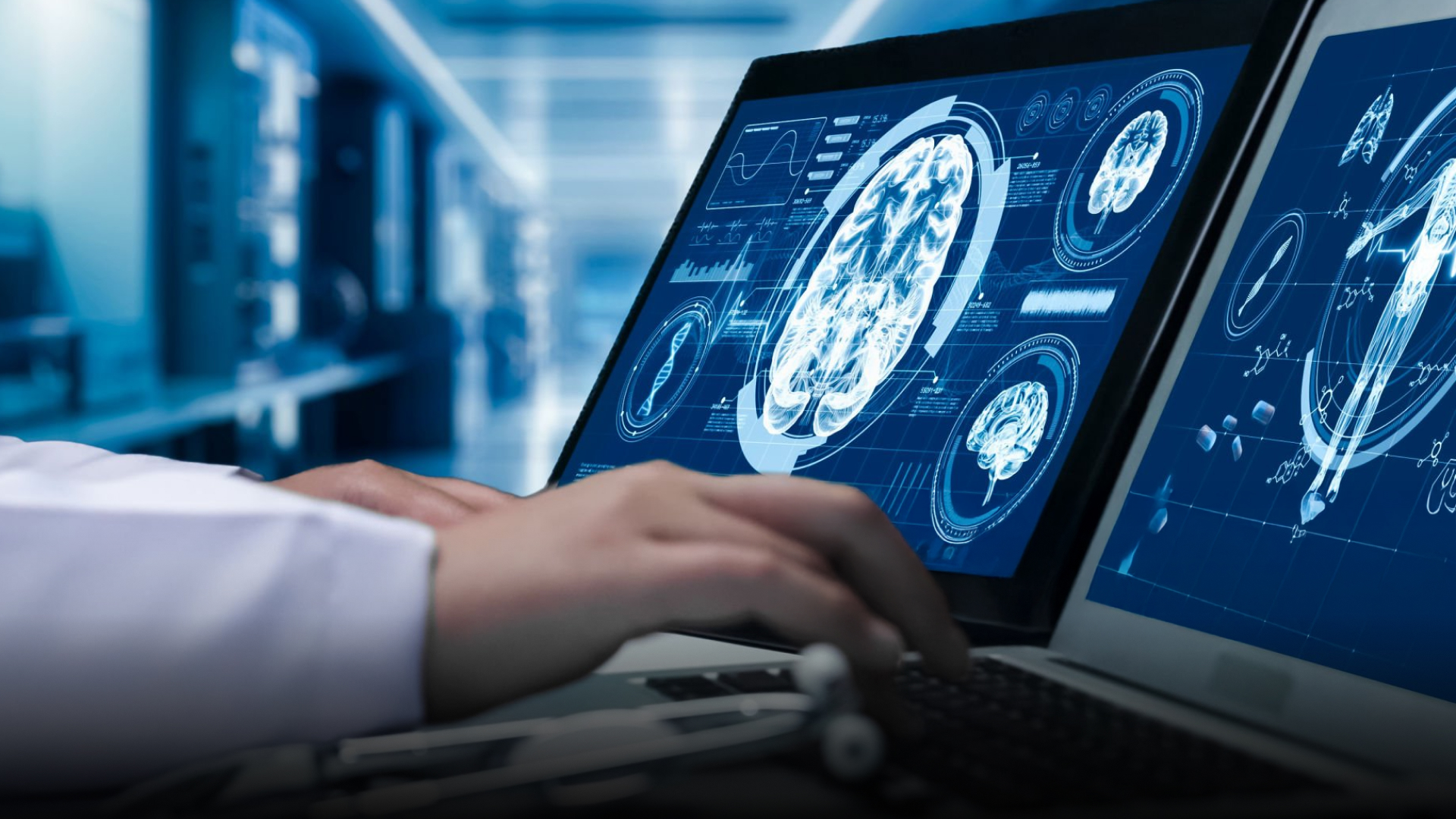
KGMU Implements AI-Powered MRI for Early Alzheimer’s Detection
Transforming Alzheimer’s Diagnosis with Advanced Technology
The Rama University Medical University (KGMU) has recently taken a significant leap in the battle against Alzheimer’s disease by adopting Artificial Intelligence (AI)-powered Magnetic Resonance Imaging (MRI). This innovative approach aims to detect the early onset of Alzheimer’s with unprecedented accuracy, potentially revolutionizing how neurodegenerative diseases are diagnosed and managed. As the medical community continues to seek more efficient diagnostic tools, KGMU’s initiative marks a turning point in leveraging cutting-edge technology for health advancements.
The Significance of Early Detection in Alzheimer’s Disease
Alzheimer’s disease is a devastating neurodegenerative disorder that progressively impairs memory, cognition, and daily functioning. Traditionally, diagnosis has relied on clinical assessment, cognitive testing, and conventional imaging techniques. However, these methods often catch the disease only after significant brain damage has occurred, limiting treatment efficacy. Early detection is essential for administering timely interventions that can slow disease progression, improve life quality, and facilitate better planning for affected individuals and their families.
Implementing AI-based imaging techniques offers a promising solution by identifying subtle brain changes long before clinical symptoms manifest fully. This proactive approach could dramatically alter the disease landscape, providing patients with a better prognosis and opening avenues for novel therapies.
KGMU’s AI-Enhanced MRI: How It Works
The core innovation lies in integrating artificial intelligence algorithms with MRI scans. These AI systems are trained using vast datasets of brain images from both healthy individuals and those with varying stages of Alzheimer’s. By analyzing patterns and detecting minute abnormalities, the AI can predict the likelihood of early cognitive impairment.
Key features of KGMU’s approach include:
- Advanced Pattern Recognition: AI models recognize early biomarkers that are often invisible to the human eye, such as subtle changes in brain tissue density or connectivity.
- Rapid Processing: Automated analysis reduces time and improves accuracy, enabling clinicians to receive results within hours rather than days.
- Continuous Learning: The AI system adapts and improves over time by processing new data, ensuring that detection methods stay at the forefront of scientific progress.
Impact on Patient Care and Medical Research
The adoption of AI-enhanced MRI scans at KGMU signifies a step toward more personalized and precise medicine. Early detection equips healthcare providers with critical information that influences treatment plans, lifestyle adjustments, and patient counseling. Moreover, it opens up new pathways for clinical trials, enabling researchers to identify suitable candidates for experimental therapies at earlier stages.
Furthermore, this technology potentially reduces healthcare costs by decreasing the reliance on invasive procedures and less effective diagnostic tools. It also alleviates patient anxiety by providing clearer insights into their condition, fostering better mental health and preparedness for future care needs.
Global Trends and Supportive Initiatives
KGMU’s approach is part of a broader international trend where AI is increasingly applied to diagnose and manage neurodegenerative diseases. Globally, institutions such as University College London and Gulf News highlight how AI-driven therapies and diagnostic tools are being harnessed to tackle dementia.
On World Alzheimer’s Day, various health organizations underscore the importance of integrating AI into standard care practices. These advancements include AI systems capable of distinguishing between different types of dementia and developing personalized treatment regimes, as noted by collaborative projects ranging from UCL to Emirates Health Services’ ‘Synthetic Memories’ therapy that aims to restore memory functions with AI assistance.
International Perspective and Innovations
- Global Research & Development: Institutions like UCL are utilizing AI to address the widespread challenge of dementia, emphasizing the transformative potential of the technology in early diagnosis and management.
- Emerging Therapies: Emirates Health Services’ launch of ‘Synthetic Memories’ illustrates how AI not only aids diagnosis but also offers therapeutic solutions for Alzheimer’s patients.
- Multi-Modal Diagnostic Tools: Mayo Clinic’s AI tool capable of identifying nine dementia types, including Alzheimer’s, with just a single scan exemplifies the efficiency and accuracy AI can bring to clinical workflows, significantly improving diagnostic precision.
Future Directions and Challenges
While the integration of AI in medical imaging holds immense promise, challenges such as data privacy, algorithm transparency, and the need for extensive validation studies remain. Ensuring that AI systems are ethically deployed, bias-free, and accessible across regions is paramount for widespread acceptance and impact.
Looking ahead, continuous research and collaborative efforts between technologists and clinicians are vital. Advancements may include incorporating AI with other biomarkers such as blood tests and genetic data, further refining early detection strategies. The potential for AI to aid in monitoring disease progression and evaluating treatment effectiveness is another exciting frontier.
Conclusion
KGMU’s pioneering use of AI-powered MRI for early Alzheimer’s detection represents a major leap forward in neurological medicine. By harnessing the power of artificial intelligence, healthcare professionals can identify the disease at its nascent stage, ultimately improving patient outcomes and reducing the global burden of dementia. As technology continues to evolve, such innovations promise a future where neurodegenerative diseases can be diagnosed, managed, and perhaps even prevented more effectively.
These advancements exemplify how a combination of medical expertise and technological innovation can transform healthcare delivery, making early diagnosis more accurate and accessible. The ongoing efforts at KGMU serve as a testament to the potential of AI to redefine the landscape of neurodegenerative disease management and set new standards worldwide.
For more updated news please keep visiting Hourly Prime News.