

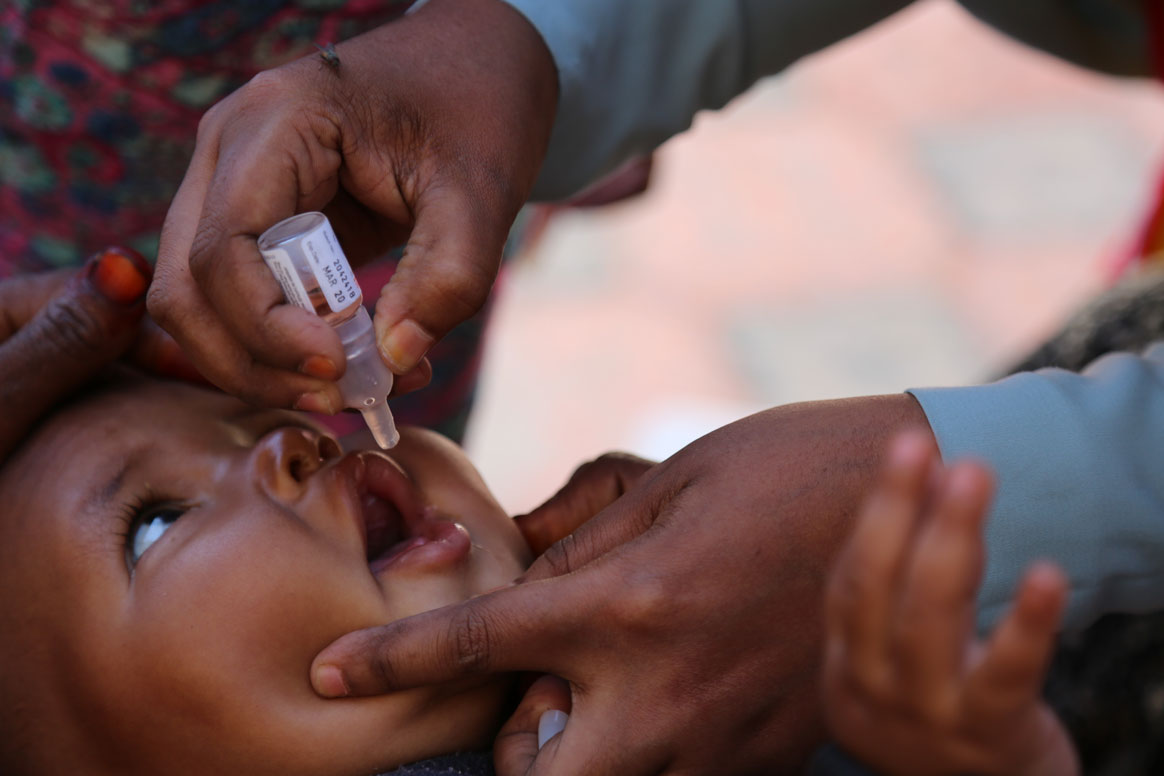
Poliomyelitis, commonly known as polio, has long been a formidable health challenge worldwide. Despite significant progress over decades, eradication remains elusive due to complex social, logistical, and epidemiological obstacles. The recent report by AP, highlighted by Takeaways From AP’s Report on Problems in the Worldwide Campaign to Eradicate Polio published by U.S. News & World Report, offers crucial insights into the current status and hurdles faced in the global fight against polio.
Understanding the Current Landscape of Poliovirus Eradication
Over the past few decades, global health initiatives have achieved remarkable successes in reducing the incidence of poliovirus. The World Health Organization (WHO), in collaboration with UNICEF and other partners, has launched extensive vaccination campaigns aimed at eliminating the disease across all continents. These campaigns are rooted in the use of Oral Polio Vaccine (OPV) and, increasingly, inactivated poliovirus vaccines (IPV). Yet, progress varies greatly across regions, with persistent pockets of cases mainly in parts of Africa and Asia.
According to recent findings, one of the key takeaways is that, although poliovirus transmission has significantly declined, complete eradication remains hampered by a constellation of challenges. These include vaccine hesitancy, conflict zones, logistical barriers, and weakened health infrastructure in vulnerable regions. The AP report underscores that without addressing these issues, setbacks are inevitable, jeopardizing the hope of a polio-free world.
Major Challenges Hindering Polio Eradication
1. Vaccine Hesitancy and Misinformation
One of the most persistent hurdles is vaccine hesitancy fueled by misinformation and cultural misconceptions. In several communities, misconceptions about vaccine safety or distrust towards health authorities lead to resistance against immunization drives. The spread of false narratives on social media exacerbates these issues, making it more difficult for health organizations to achieve herd immunity.
2. Political Instability and Conflict Zones
Conflicts and political instability significantly hinder vaccination efforts. Areas experiencing war, insurgency, or political upheaval often become inaccessible for health workers. These zones, especially in regions such as parts of Nigeria, Pakistan, and Afghanistan, serve as reservoirs for the virus, facilitating its continued transmission across borders.
3. Logistical and Infrastructure Challenges
Weak health infrastructure and logistical hurdles also impede vaccination campaigns. Remote, hard-to-reach rural areas often lack the necessary cold chain facilities, transportation, and trained personnel to effectively carry out immunization. This results in gaps in coverage, allowing the virus to persist in these communities.
4. Genetic Evolution of Poliovirus
The genetic evolution of polioviruses, especially circulating vaccine-derived polioviruses (cVDPV), adds complexity to eradication efforts. These strains can emerge in communities with low vaccine coverage, causing outbreaks that are difficult to control. The AP report highlights the need for vigilant surveillance to identify and respond to these emergent strains promptly.
Key Insights from the AP Report
- Progress & Setbacks: Although dramatic reductions in polio cases are evident, recent outbreaks reveal that eradication is not yet achieved. Some regions are experiencing resurgence due to immunity gaps and operational challenges.
- Importance of Community Engagement: The report emphasizes that engaging local communities and leaders is crucial for building trust and improving vaccination coverage. Community-led initiatives tend to be more effective in overcoming mistrust than top-down approaches.
- Role of Surveillance and Rapid Response: Robust surveillance systems are vital for detecting cases early and responding swiftly. The AP report stresses improving laboratory capacities and environmental surveillance to prevent undetected spread.
- Impact of Political Will and Funding: Sustained political commitment and adequate funding are necessary. Interruption or reduction of resources often correlates with setbacks in vaccination campaigns and surveillance.
- Global Cooperation is Essential: Polio eradication is a quintessential example of international collaboration. Cross-border coordination, data sharing, and joint strategies are more critical than ever in tackling poliovirus hotspots.
Strategies to Overcome Challenges and Accelerate Eradication
To address these complex barriers, health experts and policymakers recommend multifaceted strategies:
- Enhancing Community Engagement: Building trust through local leaders and religious figures can dispel myths and encourage vaccine acceptance. Tailoring messages to cultural contexts enhances effectiveness.
- Strengthening Infrastructure: Investing in cold chain logistics, health worker training, and mobile vaccination units ensures wider reach into inaccessible areas.
- Integrating Polio Vaccination with Other Health Services: Combining immunization with broader health initiatives improves efficiency and community acceptance.
- Utilizing Technology and Data Analytics: Real-time data collection and geographic information systems can optimize campaign planning and outbreak response.
- Securing Political and Financial Commitment: Long-term funding and unwavering political will are fundamental to sustaining immunization and surveillance efforts.
The Path Toward a Polio-Free World
The journey to eradication is fraught with hurdles, yet the strides made so far demonstrate a resilient global commitment. The recent resurgence in some areas serves as a stark reminder that ongoing vigilance is essential. The combination of innovative strategies, community involvement, political will, and international cooperation fosters hope that polio can be fully eradicated in the coming decades.
However, the AP report succinctly cautions that complacency can reverse gains achieved. Maintaining momentum requires continuous investment and adaptation of strategies to meet emerging challenges.
In sum, the global campaign to eliminate polio must prioritize flexibility, sustainability, and inclusivity. Each community’s unique context must be understood and respected, ensuring no one is left behind. The collective efforts—driven by science, compassion, and determination—are our best hope in finally consigning polio to history.
For more updated news please keep visiting Hourly Prime News.