

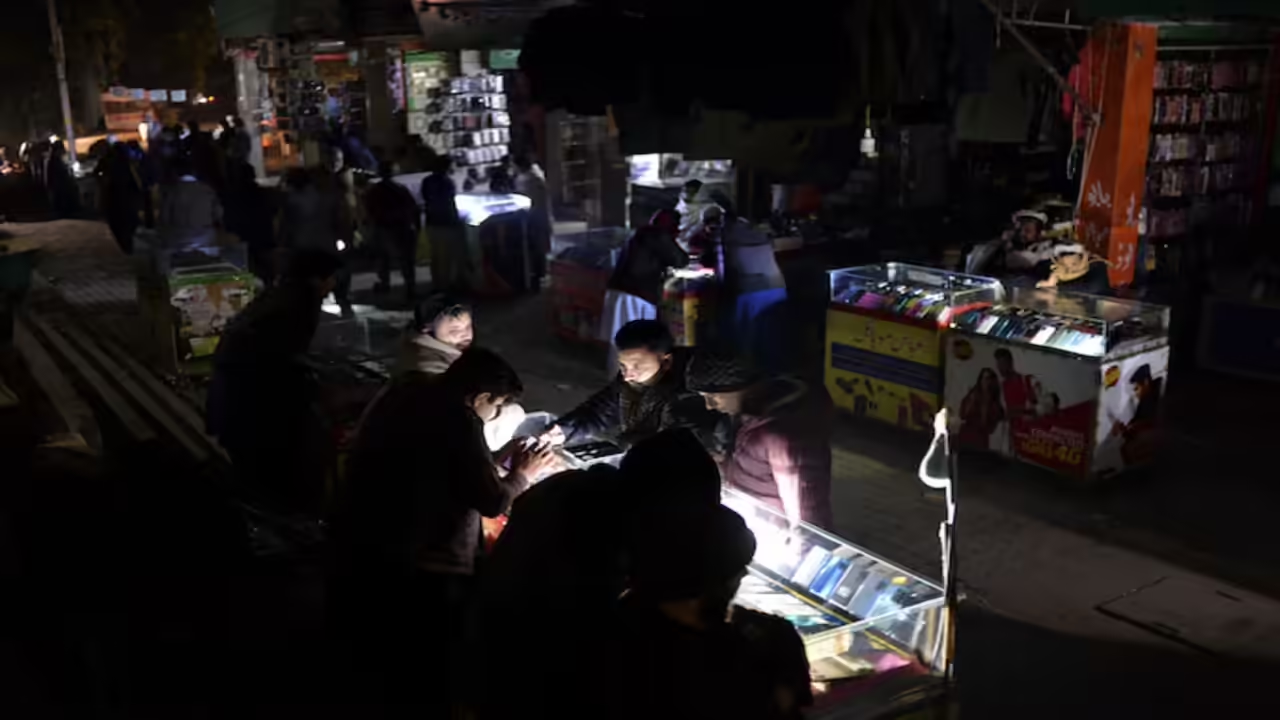
Karachi, Pakistan’s bustling financial and commercial hub, recently witnessed a surge of public outrage following a prolonged and unannounced power outage that lasted for more than 24 hours. The sudden blackout plunged neighborhoods into darkness, disrupting daily routines, hampering business activities, and escalating public frustration to the boiling point. This incident ignited widespread protests, with residents choosing to express their grievances through aggressive demonstrations that blocked vital roads across the city, leading to chaos and traffic gridlocks.
Extended Power Failures Trigger Public Outcry
The city’s residents have become increasingly fed up with inconsistent power supplies and unreliable utility services. The recent outage, which affected thousands of households and businesses, was particularly severe due to its length and lack of communication from authorities. Citizens reported that no official explanation or estimated time for restoration was provided, deepening their sense of helplessness. The outage not only affected domestic life but also hampered emergency services, health facilities, and transportation systems, amplifying the grievances against the authorities responsible for maintaining the power infrastructure.
Residents Take to the Streets: The Protest Sparks
In response to this persistent crisis, residents of several neighborhoods, notably within Punjab Colony and surrounding areas, initiated protests to demand accountability and better utility services. The protests quickly gained momentum, transforming into large-scale demonstrations that involved blocking key roads and intersections. Participants voiced their anger through chants, placards, and sit-ins, making it impossible for daily traffic to flow freely. Such protests are a stark reminder of the growing frustration among Karachi’s populace who feel largely ignored amidst ongoing power outages and infrastructural neglect.
Key Incidents of Road Blockades and Chaos
- Punjab Colony residents blocking roads: After enduring over a day of blackout, residents resorted to physically obstructing traffic to draw attention to their plight. This move effectively brought road traffic to a standstill, affecting commuters and emergency response units alike.
- Citywide traffic disruptions: Major arteries such as Shahrah-e-Faisal, University Road, and Korangi Road experienced severe congestion as protestors and impatient drivers clashed with law enforcement personnel attempting to clear the blocked streets.
- Extended protests in multiple localities: Reports indicated that protests were not limited to one area but spread across the city’s outskirts and commercial districts, signaling widespread dissatisfaction with the power utility companies.
Authorities’ Response and Public Sentiment
Official statements from the utility providers and city administration were mostly dismissive, citing technical faults and maintenance issues as reasons for the outage. However, affected residents saw these explanations as inadequate and disconnected from the daily struggles they faced. Many criticized the authorities for their apparent negligence and failure to communicate effectively or provide interim solutions.
Social media platforms were flooded with videos and photos of protests, highlighting the extent of public frustration. Citizens demanded accountability, improved infrastructure, and regular power supplies. The protests also reflected deep-rooted mistrust in the government’s ability to manage essential services, which has been a recurring theme over the years.
Impact of the Protest and Broader Implications
The protests had a ripple effect beyond mere traffic disruptions. Small businesses experienced losses as shopkeepers and vendors faced closures. Public transport was paralyzed, leading to increased hardships for daily commuters. Emergency services faced obstacles, delaying critical response times. The protests underscored the critical need for sustainable energy infrastructure and reliable utility services in Karachi.
Additionally, these demonstrations bring to light the wider societal issues of governance, resource allocation, and accountability. When basic services falter, it fuels resentment and unrest among the populace, eroding trust in the institutions meant to serve and protect citizens.
Looking Ahead: What Can Be Done?
Addressing the energy crisis in Karachi requires a comprehensive approach, incorporating investments in infrastructure, adoption of alternative energy sources, and transparent communication with residents. Authorities must prioritize urgent repairs and maintenance while actively engaging with the community to rebuild trust. Public protests serve as a wake-up call, emphasizing the necessity of reform in utility management and governance practices.
Community-led initiatives, improved regulatory oversight, and the promotion of renewable energy sources like solar and wind could mitigate future outages. Simultaneously, ensuring timely and honest updates during crises can help prevent the escalation of public anger into violent protests. The government needs to recognize that power supply isn’t merely a technical issue but a fundamental service that underpins economic stability and social harmony.
Conclusion: The Struggle Continues
The recent blackout and subsequent protests in Karachi illustrate the people’s increasing intolerance for unreliable services and poor governance. As residents block roads and voice their grievances, it underscores a pressing demand for systemic reform that prioritizes sustainable and reliable utilities. Until comprehensive measures are implemented, such protests are likely to recur, further disrupting the city’s rhythm and amplifying socio-political tensions.
In these testing times, unity between authorities and citizens, proactive policy-making, and infrastructural investments are essential for restoring stability and public confidence.
For more updated news please keep visiting Hourly Prime News.