

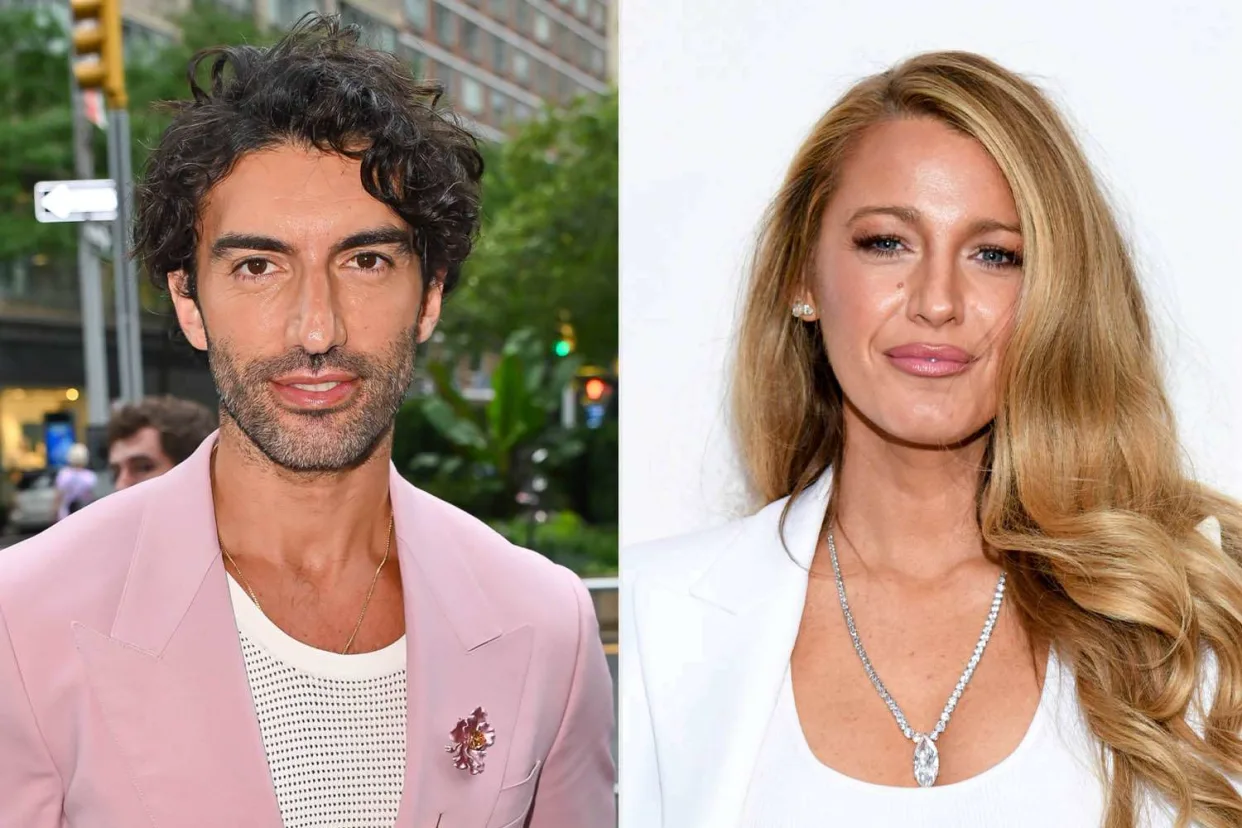
The Growing Tensions in Hollywood Power Dynamics
The world of Hollywood has long been a battleground of influence, reputation, and power. In recent developments, the spotlight is once again on the ongoing tug-of-war between celebrities over control and influence behind closed doors. Justin Baldoni, a respected actor and filmmaker, has found himself embroiled in a controversy where his legal representatives have publicly accused fellow star Blake Lively of leveraging her celebrity status to dictate terms and manipulate negotiations. This dispute not only highlights individual egos but also shines a light on the broader issue of how fame can be exploited as a weapon in contractual and creative negotiations.
The Allegations: An Insider’s Perspective
Legal Claims Against Blake Lively
According to Justin Baldoni’s legal team, Blake Lively has been accused of using her high-profile celebrity status as a means to exert undue influence over contractual arrangements. Reports suggest that Lively allegedly employs her fame to sway decision-making processes, often demanding favorable terms that may not align with standard industry practices. The lawyers argue that her approach goes beyond typical negotiations and edges into exploiting her influence, thereby infringing on fair conduct within the industry.
Key Claims Include:
- Using her celebrity power to pressure producers and partners into accepting terms advantageous to her.
- Dictating creative and contractual conditions that prioritize her celebrity stature over collaborative fairness.
- Engaging in negotiations with an expectation of preferential treatment, often backed by her large social media following and public influence.
The Broader Implications of Celebrity Power
Celebrity Influence as a Double-Edged Sword
The case raises significant questions about the role of celebrity influence within the entertainment industry. While fame can be a powerful tool for promoting projects and boosting a star’s marketability, it can also be exploited as a means of control and manipulation. When celebrities leverage their brand value to impose terms that might be unreasonable or unfair, it raises ethical concerns and questions about industry fairness.
Moreover, Lively’s alleged tactics could encourage a risky precedent where other high-profile figures might feel emboldened to pursue similar strategies. This shifting landscape demands a closer look at the power dynamics in Hollywood, especially considering the significant financial and reputational stakes involved for all parties.
The Industry Response and Public Perception
Mixed Reactions from Industry Insiders
The accusations have stirred a debate among industry insiders, with some sympathizing with Justin Baldoni’s position of advocating for fair negotiations, while others suggest that celebrities often negotiate from a position of strength and should be allowed to capitalize on their fame within reasonable bounds.
On the other hand, fans and the general public are also reacting, with social media users taking sides. Critics highlight the potential for celebrities to abuse their influence, while supporters argue that such negotiations are part of the entertainment business’s complex ecosystem. Regardless, the controversy underscores the importance of transparency and fairness in celebrity dealings.
Legal and Ethical Considerations
What Does the Law Say?
Legally, influential figures like Lively are entitled to negotiate contracts that reflect their value, but the line between fair influence and undue pressure is often blurry. The allegations against her imply that her tactics may cross this line, particularly if her influence results in contracts that are disproportionately favorable to her at the expense of fairness.
As for Baldoni’s legal team, their public stance signals a call for accountability, emphasizing that celebrity influence should not override ethical business practices. The case could potentially set a precedent, urging industry stakeholders to scrutinize and regulate the use of influence during negotiations.
The Power of Social Media and Public Relations
Public Narratives and Celebrity Image
In today’s digital age, celebrities’ actions are often magnified through social media, where they can shape narratives to their advantage. Blake Lively’s reputation, public image, and fanbase are key elements that she might leverage to influence negotiations. Conversely, critics argue that such tactics distort the spirit of fair play, turning industry negotiations into battlegrounds of influence rather than merit.
Conclusion: The Road Ahead for Industry Standards
This high-profile dispute emphasizes an ongoing debate about the balance of power within Hollywood’s elite circles. While celebrities undeniably bring significant value to projects, the manner in which influence is wielded should adhere to principles of fairness and transparency. The legal accusations against Blake Lively serve as a reminder that even in a star-studded world, accountability and ethical practices must prevail.
As the case unfolds, it will likely spark broader conversations about the need for industry regulations and norms that prevent the exploitation of celebrity influence for personal or strategic gains. Ultimately, fostering an environment where negotiations are rooted in fairness benefits not just individual careers, but the integrity of the entertainment industry as a whole.
Final Thoughts
The ongoing controversy between Justin Baldoni and Blake Lively is a reflection of larger systemic issues in Hollywood. It challenges us to think critically about how fame impacts negotiations and relationships within the industry. Moving forward, stakeholders must prioritize ethical standards, ensuring that even the most influential figures conduct their dealings responsibly and with respect for the craft and everyone involved.
For more updated news please keep visiting Hourly Prime News.