

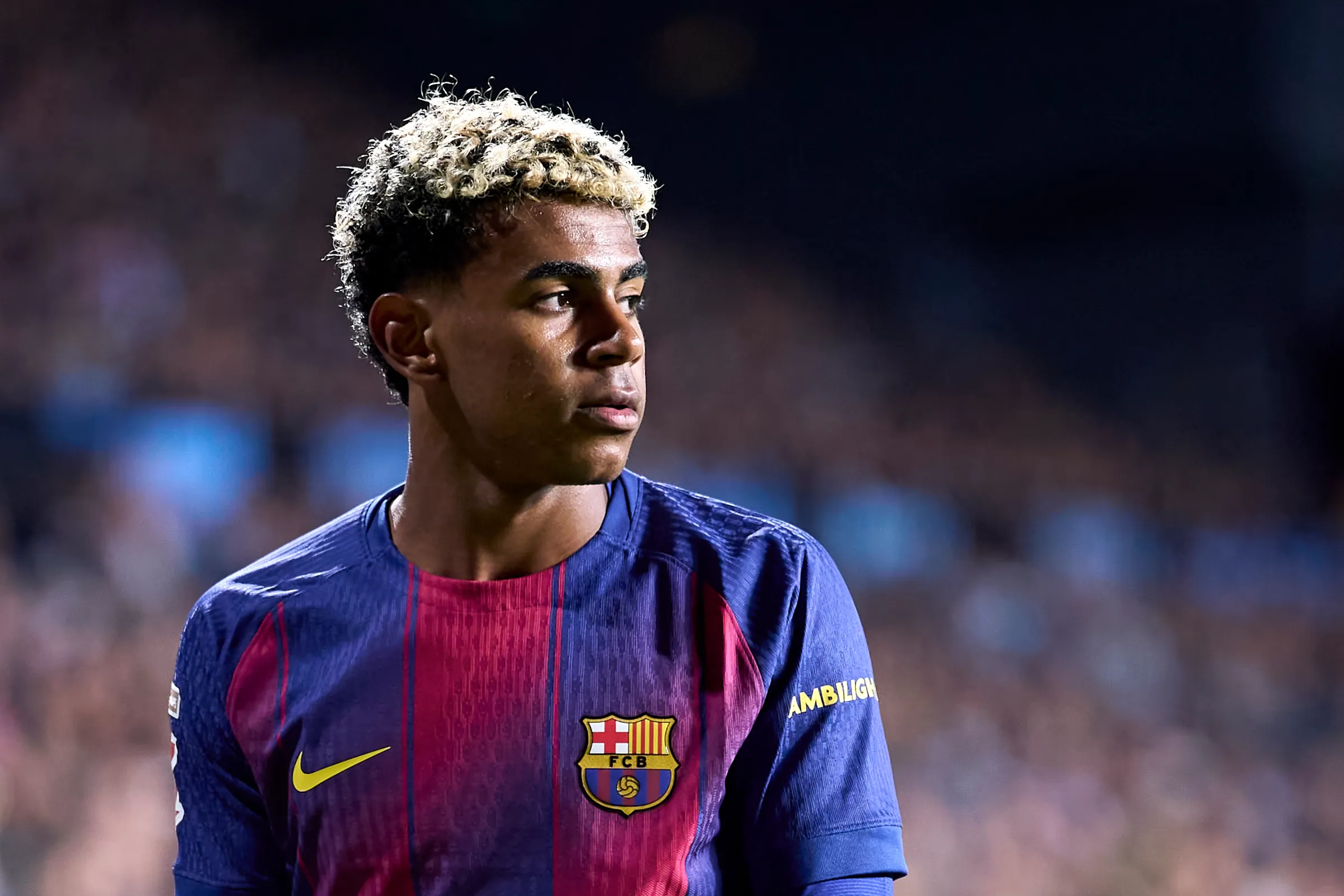
The football world is often embroiled in high-octane debates, especially when it involves promising young stars and national team decisions. Recently, FC Barcelona’s president, Joan Laporta, found himself at the center of a heated controversy after the young sensation, Lamine Yamal, was unexpectedly withdrawn from Spain’s national squad. This move ignited widespread discussion and complaints from various quarters, including Spain’s football federation and media outlets. In this blog, we delve into Laporta’s response to these allegations, the background of the controversy, and what it means for Spanish football and Barcelona’s prospects.
Background of the Incident: Yamal’s Transition from Club to Country
Lamine Yamal, a prodigious young talent at Barcelona, has been showcased as one of the brightest prospects in European football. His rise through the ranks at Barça attracted attention from national team selectors eager to integrate him into Spain’s senior squad. However, recent developments saw Yamal prematurely withdrawn from the squad designated for upcoming international fixtures against Georgia and Turkey.
This decision was met with discontent within Spanish football circles. Several reports indicated that the Spanish federation was “upset” about Yamal’s removal, citing injury concerns and a desire to prioritize senior players. However, the reasoning appeared to clash with Yamal’s own fitness reports, which showed him in good condition, leading to accusations that there might be other factors at play.
Adding fuel to the fire, it was reported that Yamal was released due to administrative or strategic decisions, rather than health issues. This led to public criticism from Spain’s coaching staff and federation officials, who expressed disappointment over the young player’s sudden exclusion, and questioned the underlying motives.
Joan Laporta’s Response: Defending the Young Star and Asserting Authority
In an official statement, Joan Laporta responded confidently to the mounting complaints, emphasizing the club’s unwavering support for Yamal and his well-being. He stated:
“Lamine Yamal’s health and development are our top priorities. FC Barcelona has always acted in his best interest, and any recent decisions made regarding his participation in the national team have been based purely on the advice of medical and coaching staff. We are confident that Yamal will continue to grow as a player and value his contributions both at Barcelona and with the Spanish national team in the future.”
Laporta also highlighted Barcelona’s commitment to nurturing young talent and maintaining a collaborative relationship with the national team authorities, despite occasional disagreements over player usage and injuries.
He further expressed disappointment at the way some criticisms were directed toward the club:
“It is unfair to blame Barcelona for decisions that are taken collectively with the player’s best interests at heart. We expect support for our players and respect for the professionalism of our coaching staff and medical team.”
This stance underscores Barcelona’s firm position in defending their young star and asserting their authority in the player’s welfare matters.
The Broader Implications of the Saga
The Role of Clubs and National Teams in Player Management
This incident underscores the ongoing tension between club-side and national team interests. Young talents like Yamal are increasingly being caught in the crossfire of strategic decisions designed to balance player development, health, and competitive readiness. While national teams seek to integrate promising players early, clubs aim to protect their assets from overuse and injury risks.
Laporta’s supportive stance indicates the importance of collaboration and mutual understanding between clubs and national teams, although disagreements remain inevitable. This episode highlights the necessity for clear communication channels and policy alignment to avoid misunderstandings.
Media and Public Perception
The media played a significant role in amplifying the controversy, with headlines criticizing the federation’s decision and questioning the transparency of the process. Such scrutiny can influence public perception and put additional pressure on the involved parties. Laporta’s assertive response aims to restore confidence and dispel any notions of favoritism or neglect towards Yamal.
Moreover, the incident raises questions on how young players are handled at the international level, emphasizing the need for protocols that prioritize player health while respecting national team commitments.
Comments from Other Stakeholders
Alongside Laporta’s statements, other voices have contributed to the dialogue:
- Spain’s football federation publicly expressed regret over Yamal’s release, citing “disappointment” and “regret” about the club’s decision to withdraw him from selection, fearing it might hamper the player’s international development.
- Spain boss criticise Barça over Yamal injury reflects the official concern about player management and readiness at the international level.
- The media, including outlets like Spain’s criticism towards Barcelona over Yamal injury also call attention to how competitive pressures influence decision-making at both club and international levels.
Looking Ahead: What Does This Mean for Yamal’s Future?
Despite the controversy, Joan Laporta’s firm stance indicates that Barcelona remains committed to Yamal’s development. The club aims to shield their star from overexposure and injury risks while supporting his international ambitions in a manner that prioritizes his health and growth.
As for the Spanish national team, the incident underscores the need for refined protocols about young players’ involvement. Ensuring clarity and mutual respect between clubs and federations will be essential moving forward.
Yamal’s trajectory might be temporarily affected by this controversy, but his talent and potential suggest he will remain a key figure in both club and country if managed wisely. This incident serves as a reminder of the delicate balance in modern football between nurturing young talent and managing their physical and mental health amid high expectations.
Conclusion
The clash between FC Barcelona and Spain’s national team over Lamine Yamal’s recent squad exit highlights the complexities of modern football management. Joan Laporta’s decisive response underscores the importance of protecting young players’ interests and maintaining respectful collaboration with national authorities. While disagreements may persist, the ultimate goal remains the development of talented individuals like Yamal, who have the potential to shape the future of football in Spain and Europe.
As the saga continues, it remains to be seen how all parties will navigate these turbulent waters. One thing is certain: the future of Yamal and Spanish football depends on communication, mutual respect, and shared vision for player health and success.
For more updated news please keep visiting Hourly Prime News.