

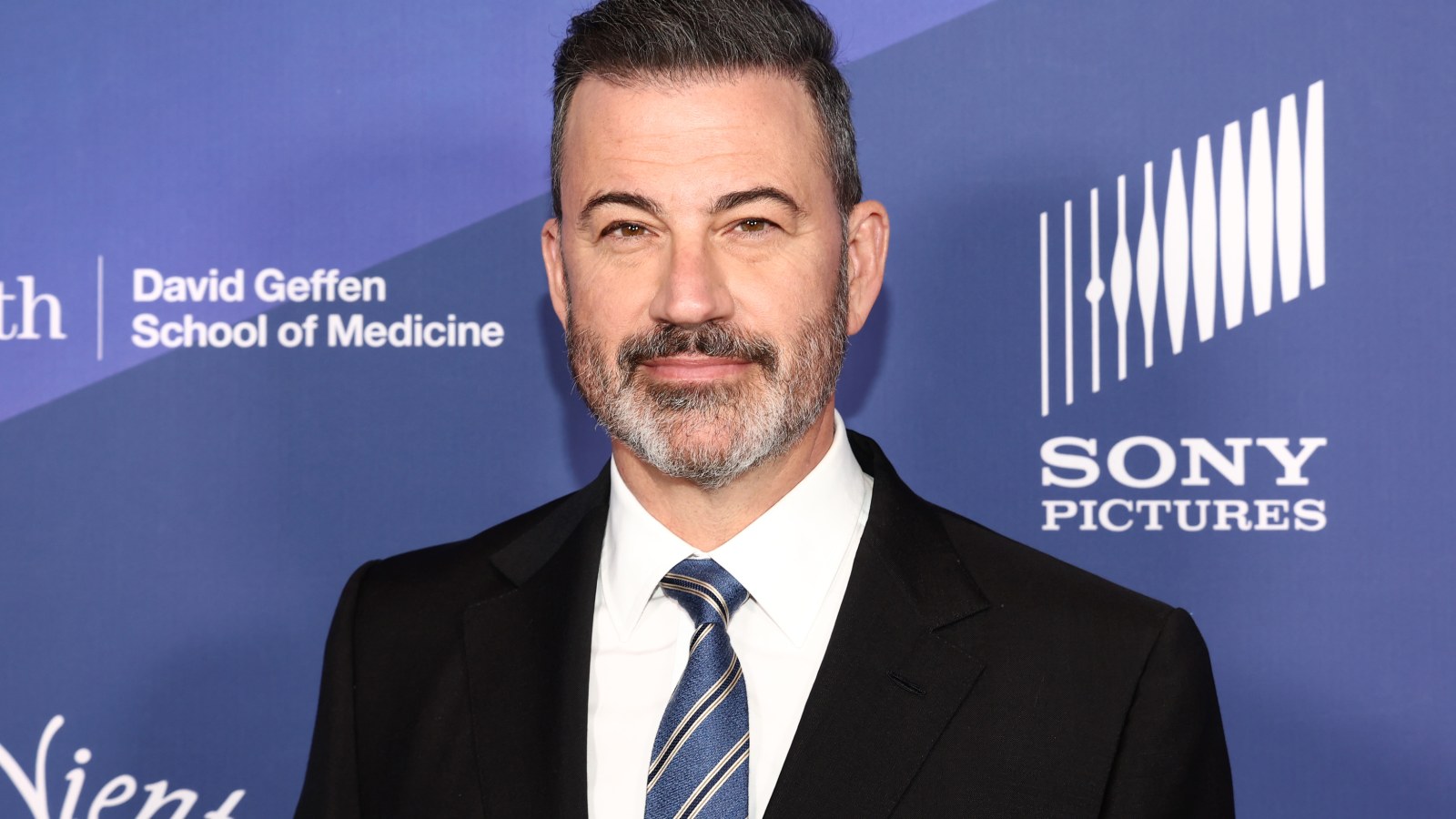
The entertainment industry often finds itself at the intersection of comedy, public perception, and regulatory scrutiny. Recently, one of Hollywood’s most iconic late-night talk shows, Jimmy Kimmel Live!, faced unprecedented halts and public controversy that have sent shockwaves across the media landscape. The suspension, triggered by regulatory investigations into Kimmel’s commentary, highlights the fragile relationship between free speech in entertainment and the boundaries set by authorities.
The Incident Unfolds on Hollywood Boulevard
On a seemingly ordinary Wednesday in Los Angeles, crowds gathered along Hollywood Boulevard, as they have for decades, to witness the bustling life of the entertainment capital. Among the usual flow of tourists and locals, many paused to catch a glimpse of the Jimmy Kimmel Live! studio. People walk by the studio with curiosity, some even recognizing the iconic signage, but an unusual hush fell over the area following recent developments.
According to reports, the controversy ignited when Kimmel made remarks about a recent sensitive topic involving Charlie, which drew the attention of regulatory authorities. The episode in question sparked swift and intense reactions from both critics and supporters alike, with many questioning whether Kimmel’s commentary crossed the boundaries of appropriate language and satire.
The Regulatory Response and Suspension
The Role of the Federal Communications Commission (FCC)
The FCC, the nation’s top communications regulator, issued a formal statement threatening to evaluate the content aired on Jimmy Kimmel Live!. The regulator expressed concern that certain comments made during the show might violate existing decency standards or foster misinformation. This escalated the situation to a critical level, prompting ABC, the network that airs the show, to take immediate action.
ABC’s Decision to Suspend the Show
In an official announcement, ABC stated that it would be “indefinitely suspending” Jimmy Kimmel Live! until further notice. The move came as a precautionary measure to prevent potential violations and avoid further regulatory complications. The network emphasized its commitment to responsible broadcasting and maintaining high standards of content while navigating the complex landscape of comedy and public discourse.
Public and Media Reactions
Public Sentiment
Public opinion has been divided regarding the suspension. Supporters argue that comedy has always navigated sensitive topics and that the show should be allowed creative freedom. Conversely, critics believe that such remarks can perpetuate misinformation and harm societal harmony, especially considering the current climate of political polarization.
Media Coverage
Media outlets worldwide have extensively covered the controversy, emphasizing the implications for free speech in entertainment. Some commentators suggest that this incident is a sign of increasing censorship pressures, while others see it as a necessary step to prevent offensive or harmful content from spreading unchecked.
Historical Context of Similar Incidents
Past Censorship Cases in Comedy
- George Carlin and the “Seven Dirty Words” Routine: A landmark case in 1978 highlighting the boundaries of broadcast indecency.
- Sacha Baron Cohen’s Controversial Publicity Stunts: Multiple instances where Cohen’s satirical humor led to regulatory scrutiny.
- Late-night Hosts and Political Satire: A long-standing tradition often tested at the intersection of comedy and regulation.
Lessons Learned and Changing Norms
Historically, these incidents reveal an ongoing tension between creative expression and societal standards. While some argue that such restrictions stifle artistic freedom, others believe they are essential for protecting public decency. The current suspension of Kimmel’s show marks a significant chapter in this ongoing debate, emphasizing that even iconic figures are not immune to external pressures.
Implications for the Future of Comedy and Broadcast Media
Challenges for Comedians and Hosts
The suspension raises important questions about the future scope of comedy, especially in a rapidly changing media environment. Comedians now face heightened sensitivities and potential repercussions, which might lead to more cautious content production.
Regulatory Framework Evolution
The incident signals a possible shift in regulatory approaches. As content platforms diversify with streaming services, social media, and traditional broadcasts, regulators might implement stricter guidelines to address emerging concerns around misinformation and offensive speech.
Conclusion
The indefinite suspension of Jimmy Kimmel Live! underscores the delicate balance between free expression and societal responsibility. While comedy serves as a mirror to society and a tool for free speech, it operates within a framework that increasingly demands accountability. The Harry Kimmel controversy will likely be a benchmark for future debates around censorship, satire, and the limits of humor in the public domain.
As the situation continues to evolve, stakeholders from the entertainment industry, regulators, and audiences will need to navigate this complex landscape carefully. The incident also prompts a broader reflection on the standards of decency and the role of comedy in fostering open discourse in democratic societies.
For more updated news please keep visiting Hourly Prime News.